


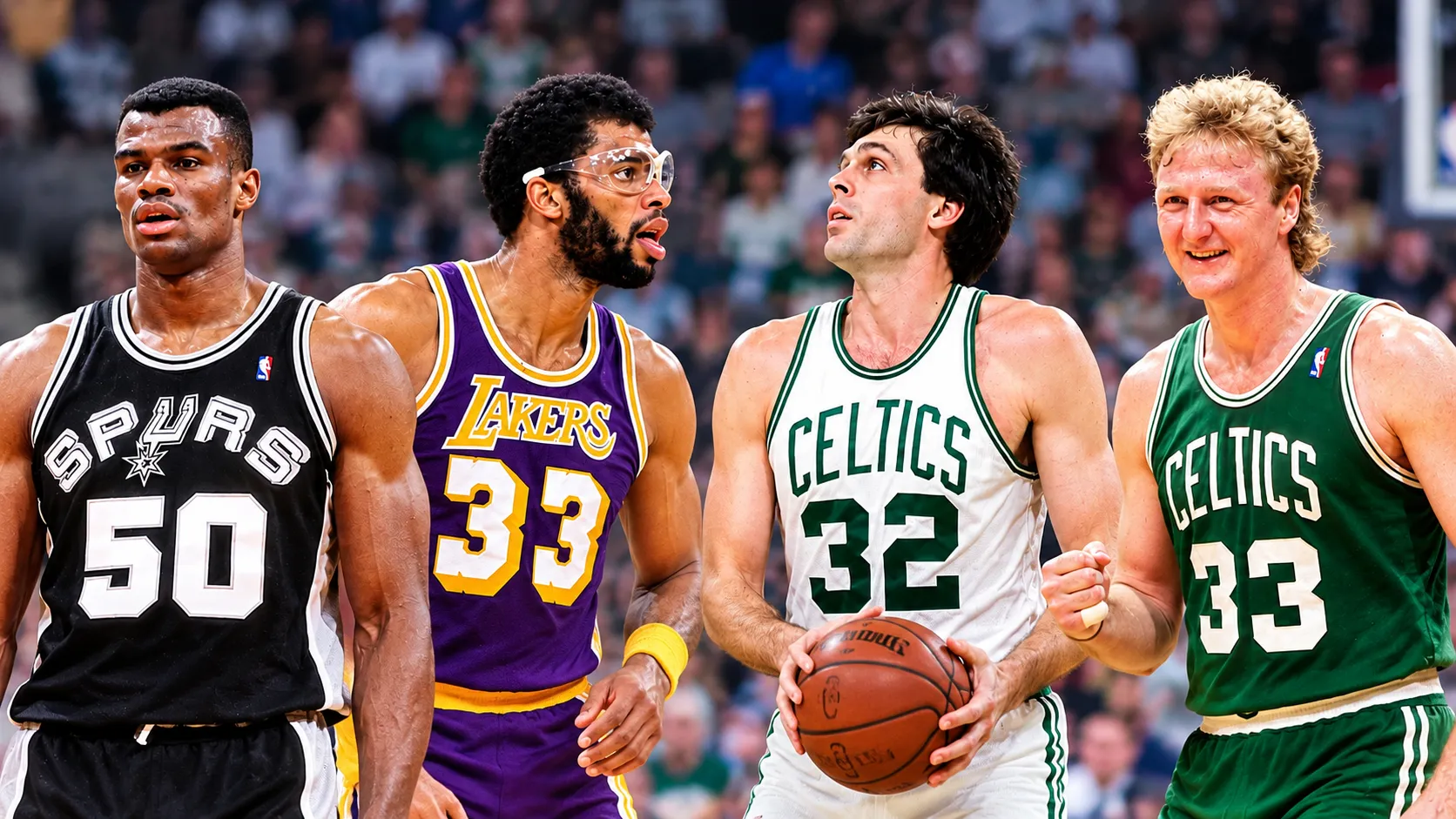
Evaluating the top NBA players of all time requires analyzing more than raw championship rings or cumulative statistics. The elite echelon of professional basketball is defined by players who altered defensive schemes, dominated high-leverage postseason moments, and maintained peak efficiency across multiple generations of elite competition.
This ranking examines the 75 greatest players in NBA history, evaluating their individual achievements, championship performances, statistical dominance, and lasting influence on professional basketball. From dominant interior anchors and dynamic two-way wings to transformative floor generals who ignited the perimeter revolution, this editorial ranking assesses the greatest NBA players of all time through individual accolades, postseason performance, advanced efficiency metrics, and historical impact.
Career statistics, awards, and team histories reflect completed NBA seasons through 2025–26.
Establishing reliable NBA basketball player rankings requires a transparent framework rather than relying on a single metric. To provide accountability and balance across eras, this ranking utilizes a weighted editorial evaluation system:
- Playoff and Finals Dominance (25%): Elimination game performance, fourth-quarter clutch execution, Finals MVP awards, and high-leverage postseason win probability.
- Individual Peak Performance (25%): Three-year apex metrics, including peak Player Efficiency Rating (PER), Box Plus-Minus (BPM), and single-season dominance.
- Career Longevity and Consistency (20%): Total career Win Shares (WS), sustained All-NBA selections, and durability across multiple roster cycles.
- Individual Accolades and Hardware (15%): Regular-season MVP honors (Michael Jordan Trophy), Defensive Player of the Year awards (Hakeem Olajuwon Trophy), and All-Defensive First Team selections.
- Strategic and Historical Legacy (15%): Positional evolution, tactical changes prompted by the player, and rule adjustments forced upon the league.
The weighted criteria provide a consistent evaluation framework rather than an automated statistical formula. Final placements also account for era-adjusted pace, positional responsibilities, team roster context, and defensive environments. Championship totals are evaluated through the player’s direct impact rather than treated as a standalone measure of individual capability.
The Greatest NBA Players of all time a comprehensive ranking
1. Michael Jordan
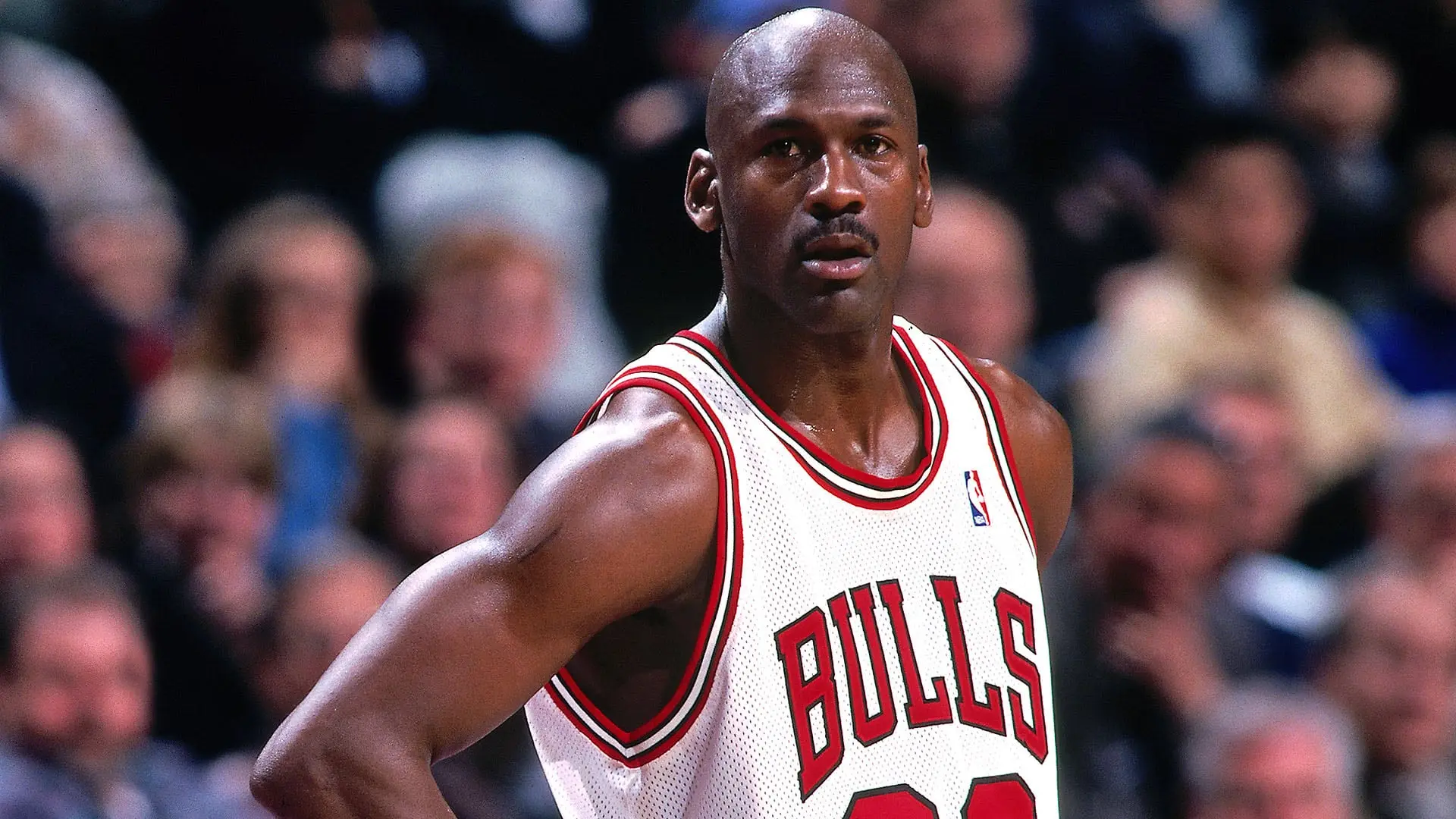
- Teams: Chicago Bulls, Washington Wizards
- Accolades: 6x NBA Champion, 5x Regular Season MVP (including 1988), 6x Finals MVP, 1988 Defensive Player of the Year, 10x Scoring Champion, 11x All-NBA Selection, 9x All-Defensive First Team
- Impact: Michael Jordan remains the consensus benchmark among the best shooting guards of all time. Jordan orchestrated the 1990s Chicago Bulls dynasty with two distinct three-peats, compiling an unblemished 6-0 record in NBA Finals appearances without ever facing a Game 7. Dominating on both ends of the floor, Jordan paired historic scoring volume with premier perimeter defense, highlighted by his 1988 campaign when he captured the regular-season MVP, the scoring title, and Defensive Player of the Year. His apex playoff production and decisive execution in elimination games secure his position at the summit of basketball history.
2. LeBron James
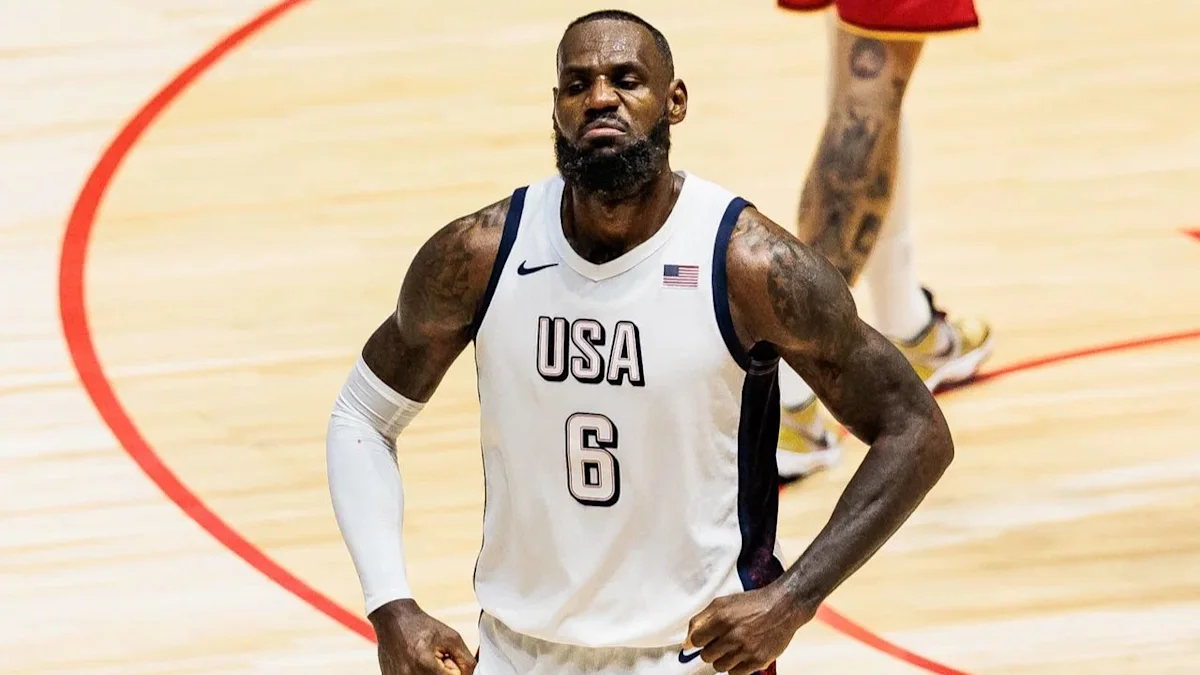
- Teams: Cleveland Cavaliers, Miami Heat, Los Angeles Lakers
- Accolades: 4x NBA Champion, 4x Regular Season MVP, 4x Finals MVP, 21x All-NBA Selection, NBA All-Time Regular Season Scoring Leader
- Impact: LeBron James built an unprecedented resume anchored by peak athletic dominance and historic career longevity. Over more than two decades at the superstar level, James has captured championships with three different franchises, highlighted by leading the 2016 Cavaliers back from a 3-1 Finals deficit. As the league’s career regular-season scoring leader and one of its greatest passers, James directed modern high-efficiency offenses across multiple tactical eras, setting an unmatched durability standard.
3. Kareem Abdul-Jabbar
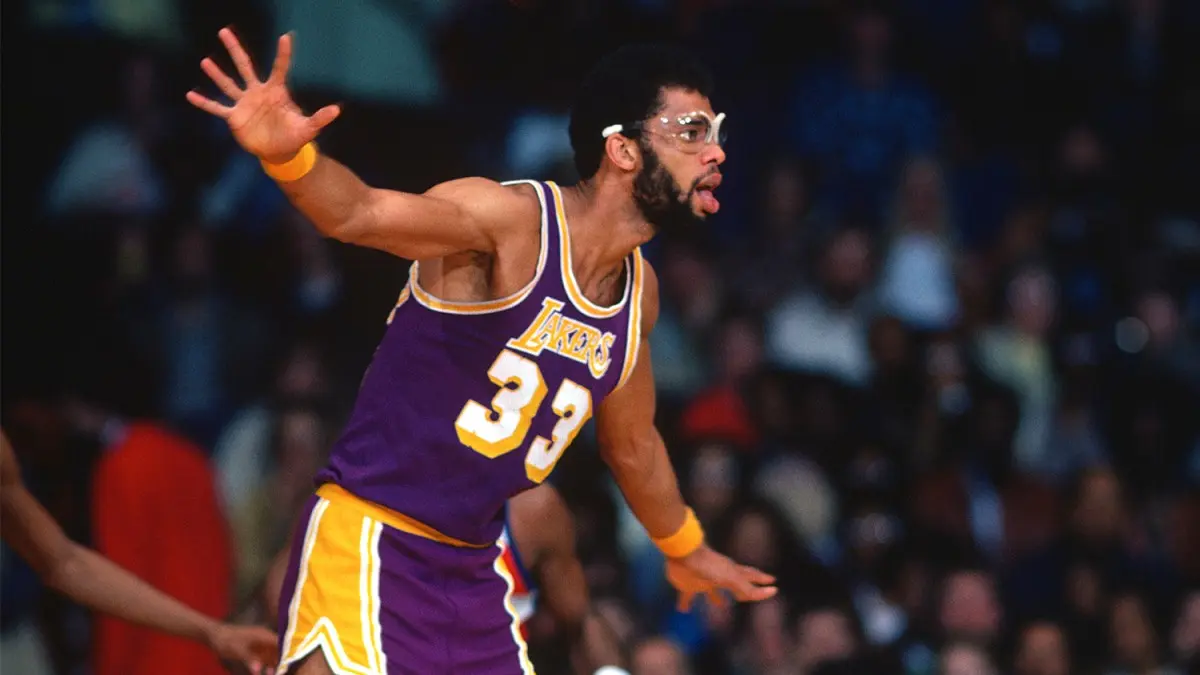
- Teams: Milwaukee Bucks, Los Angeles Lakers
- Accolades: 6x NBA Champion, 6x Regular Season MVP, 2x Finals MVP, 15x All-NBA Selection, 11x All-Defensive Selection
- Impact: Kareem Abdul-Jabbar anchored championship frontcourts for twenty seasons through the most unstoppable individual weapon in basketball history: the skyhook. Abdul-Jabbar captured a record six regular-season MVP awards, demonstrating his capability as both a dominant individual force in the 1970s and a veteran anchor for five Showtime Lakers title teams in the 1980s. His combination of durability, low-post efficiency, and career win shares places him firmly in the top three.
4. Magic Johnson
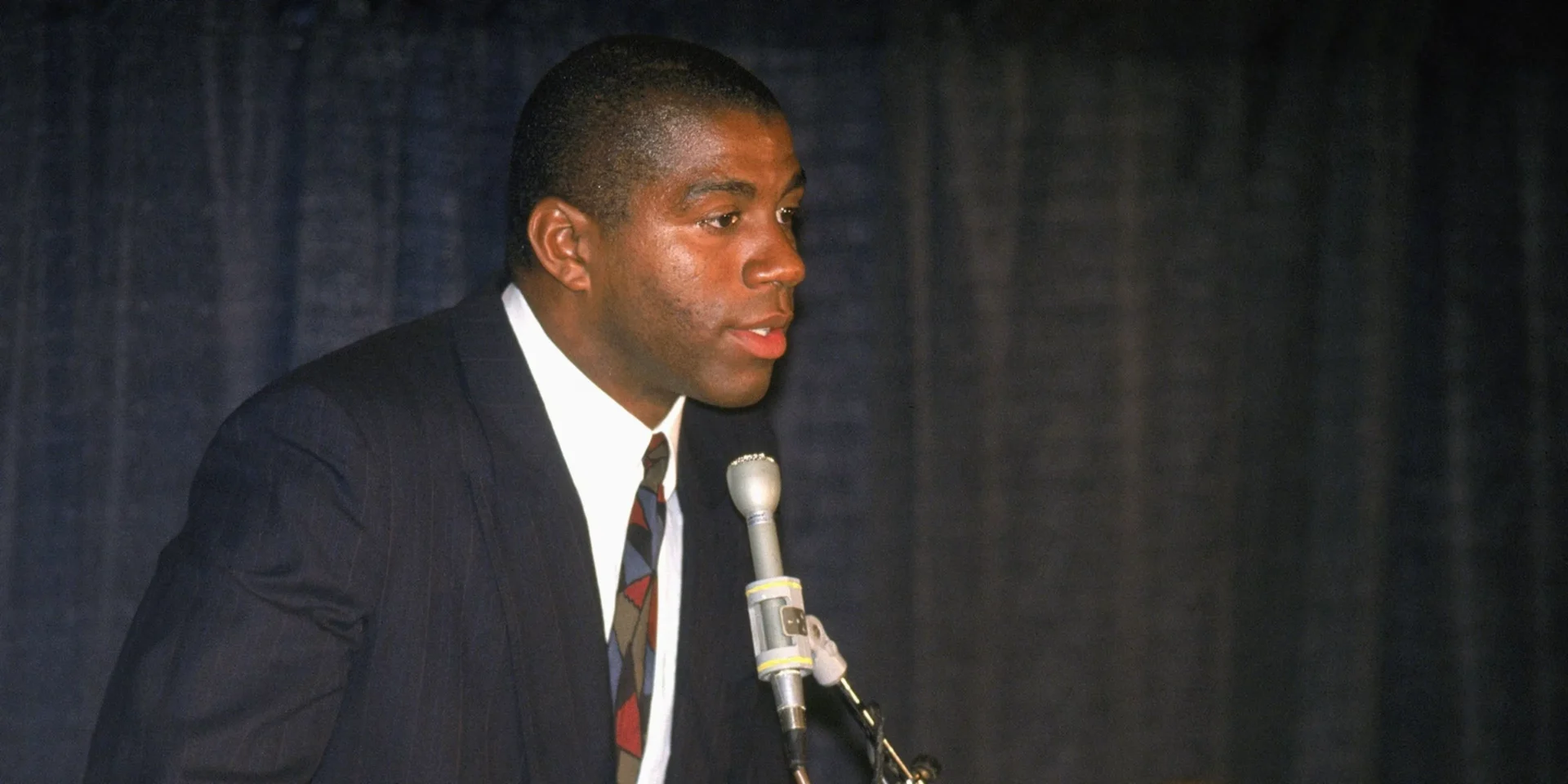
- Teams: Los Angeles Lakers
- Accolades: 5x NBA Champion, 3x Regular Season MVP, 3x Finals MVP, 10x All-NBA Selection, 12x All-Star
- Impact: Standing 6-foot-9, Magic Johnson redefined floor leadership as the greatest pure playmaker among the best point guards of all time. Johnson served as the engine of the Showtime Lakers, turning defensive rebounds into high-speed transition offense with precision passing. Reaching the NBA Finals nine times in twelve full seasons, Johnson claimed three Finals MVP awards while consistently elevating his scoring and rebounding in decisive postseason matchups.
5. Bill Russell
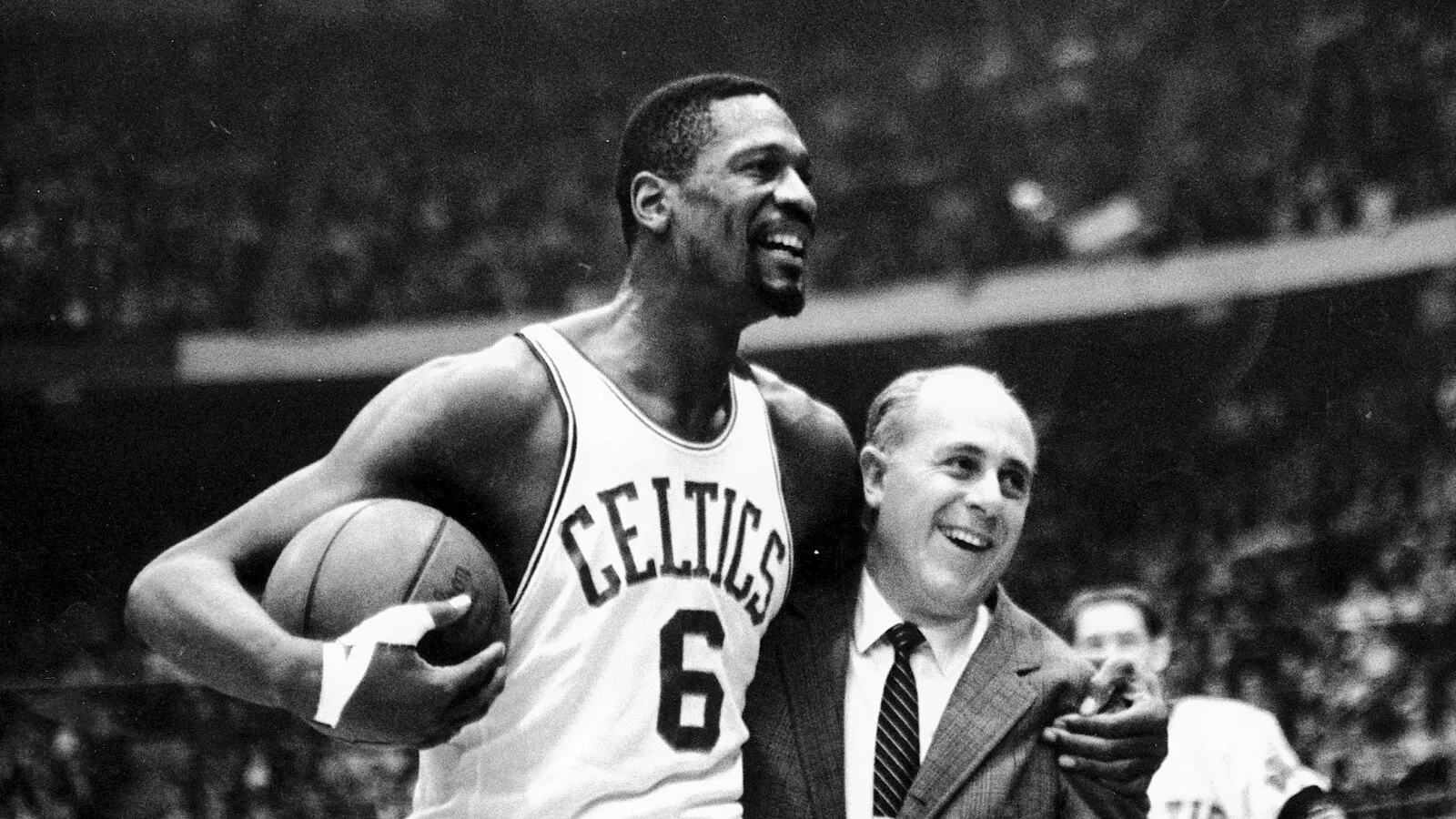
- Teams: Boston Celtics
- Accolades: 11x NBA Champion, 5x Regular Season MVP, 11x All-NBA Selection, 12x All-Star
- Impact: Bill Russell established the definitive standard for defensive impact and winning culture, capturing 11 NBA championships in 13 seasons. Russell anchored the Boston Celtics dynasty through shot redirection, defensive rebounding, and rapid outlet passing. His ability to control games without requiring offensive touches transformed center play, creating an untouchable championship record in American team sports.
6. Wilt Chamberlain
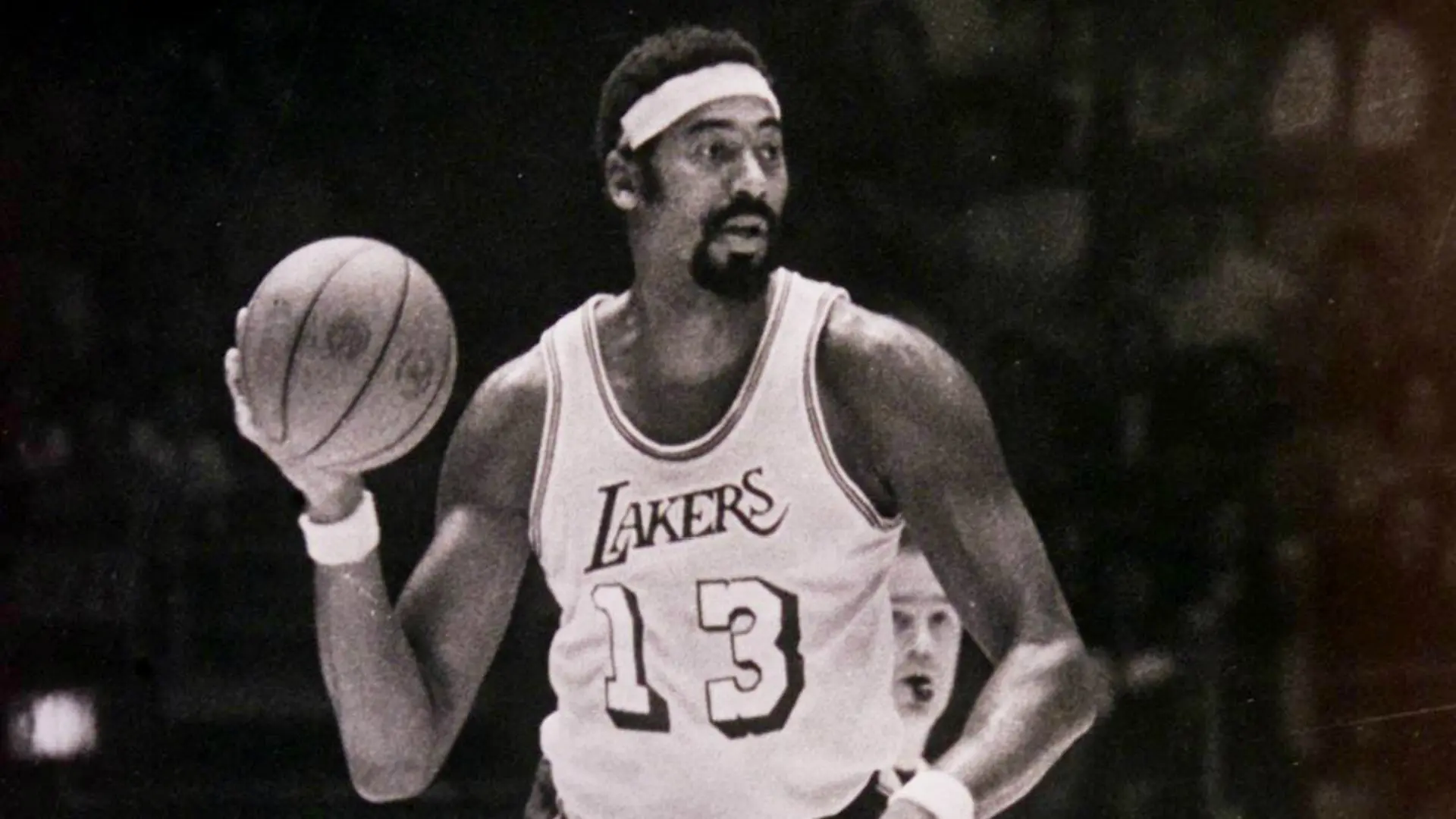
- Teams: Philadelphia/San Francisco Warriors, Philadelphia 76ers, Los Angeles Lakers
- Accolades: 2x NBA Champion, 4x Regular Season MVP, 1x Finals MVP (1972), 7x Scoring Champion, 10x All-NBA Selection
- Impact: Wilt Chamberlain generated individual statistical production that remains unmatched in modern record books, highlighted by his 100-point game and an entire campaign averaging 50.4 points per contest. His vertical athleticism and strength forced the league to widen the painted lane and amend inbounding rules. Chamberlain later proved his adaptability by leading the league in assists and anchoring the 1972 Lakers to a championship, earning Finals MVP honors through interior defense and rebounding.
7. Larry Bird
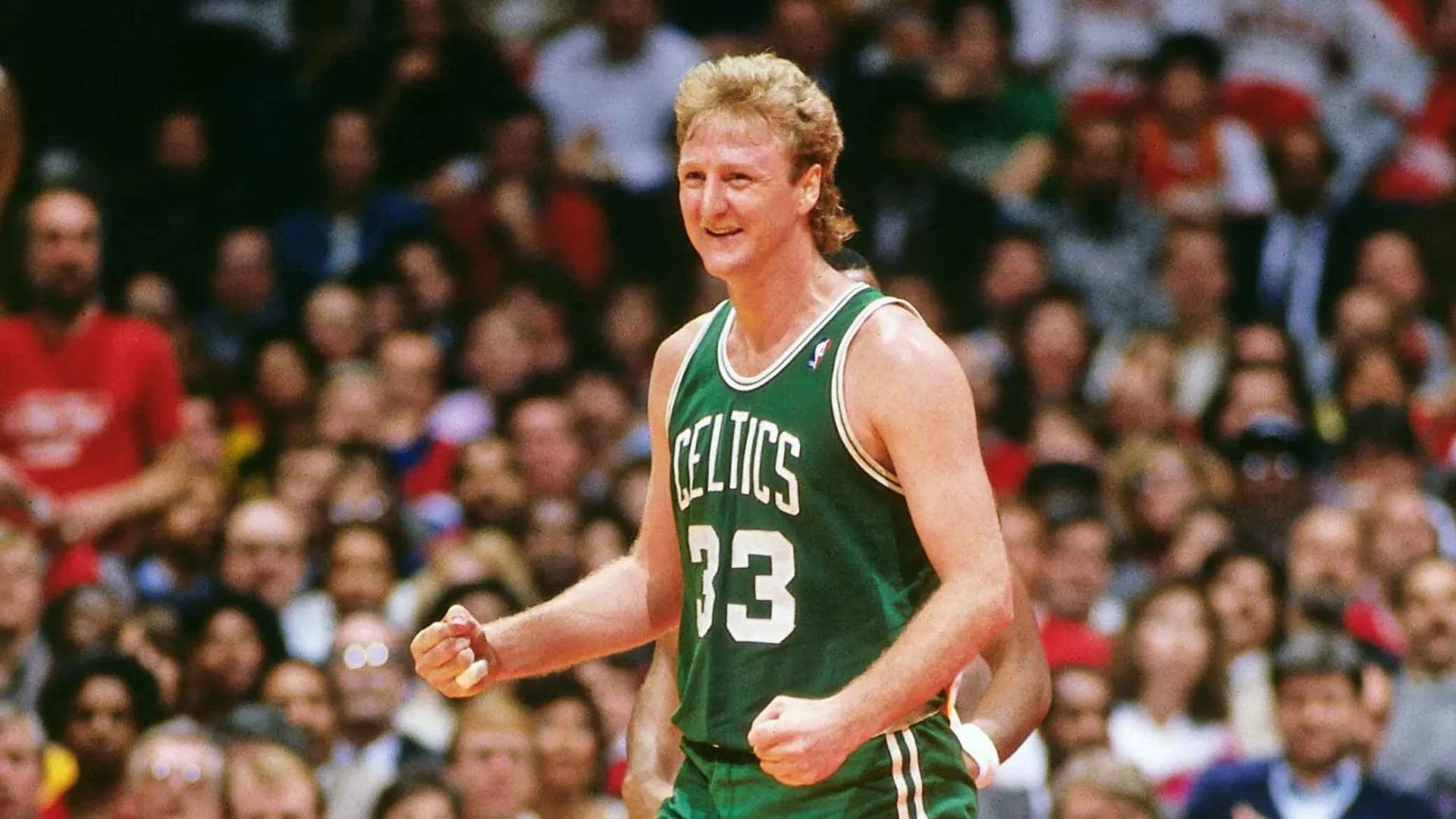
- Teams: Boston Celtics
- Accolades: 3x NBA Champion, 3x Regular Season MVP, 2x Finals MVP, 10x All-NBA Selection, 3x All-Defensive Second Team
- Impact: Larry Bird blended elite perimeter marksmanship, spatial awareness, and competitive toughness to lead Boston to three championships during the league’s golden 1980s era. Bird captured three consecutive regular-season MVP trophies from 1984 to 1986, consistently delivering in high-leverage fourth quarters against the league’s top defenses. His rivalry with Magic Johnson elevated professional basketball into mainstream global culture.
8. Tim Duncan
- Teams: San Antonio Spurs
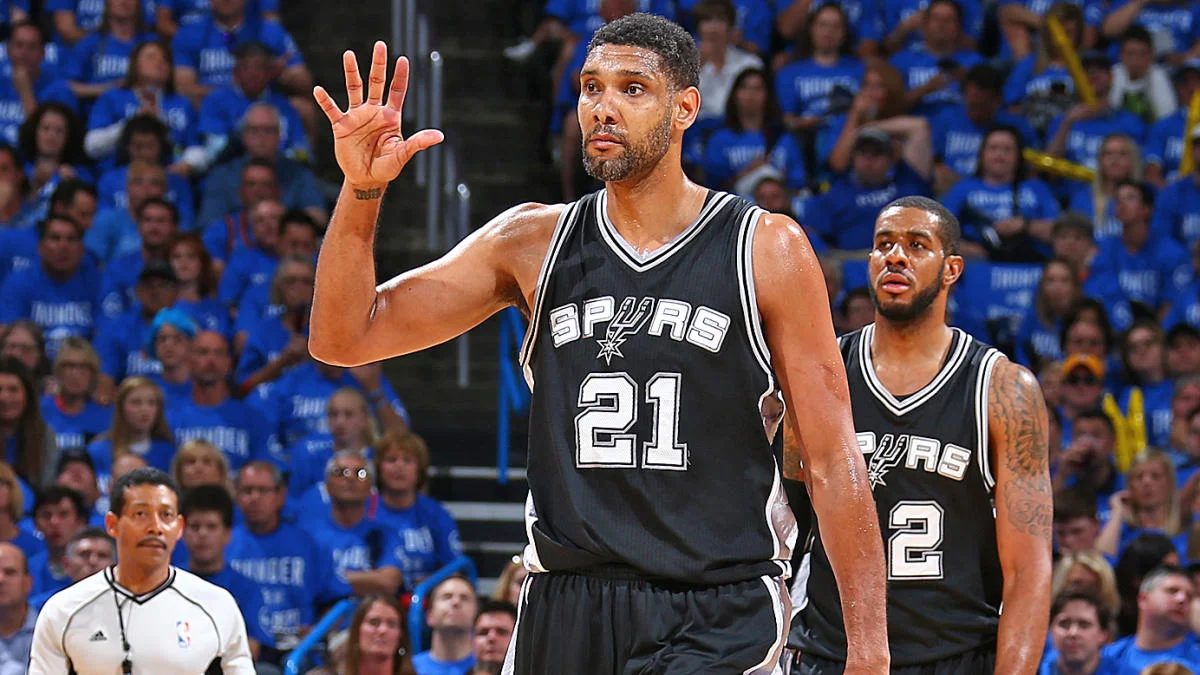
- Accolades: 5x NBA Champion, 2x Regular Season MVP, 3x Finals MVP, 15x All-NBA Selection, 15x All-Defensive Selection
- Impact: Known as “The Big Fundamental,” Tim Duncan stands as the premier standard among the best power forwards of all time. Duncan anchored San Antonio to five championships across three different decades (1999, 2003, 2005, 2007, 2014), providing low-post scoring, bank shots, and generational rim protection. His defensive discipline and team-first leadership yielded 19 consecutive 50-win seasons for the Spurs.
9. Shaquille O’Neal
- Teams: Orlando Magic, Los Angeles Lakers, Miami Heat, Phoenix Suns, Cleveland Cavaliers, Boston Celtics
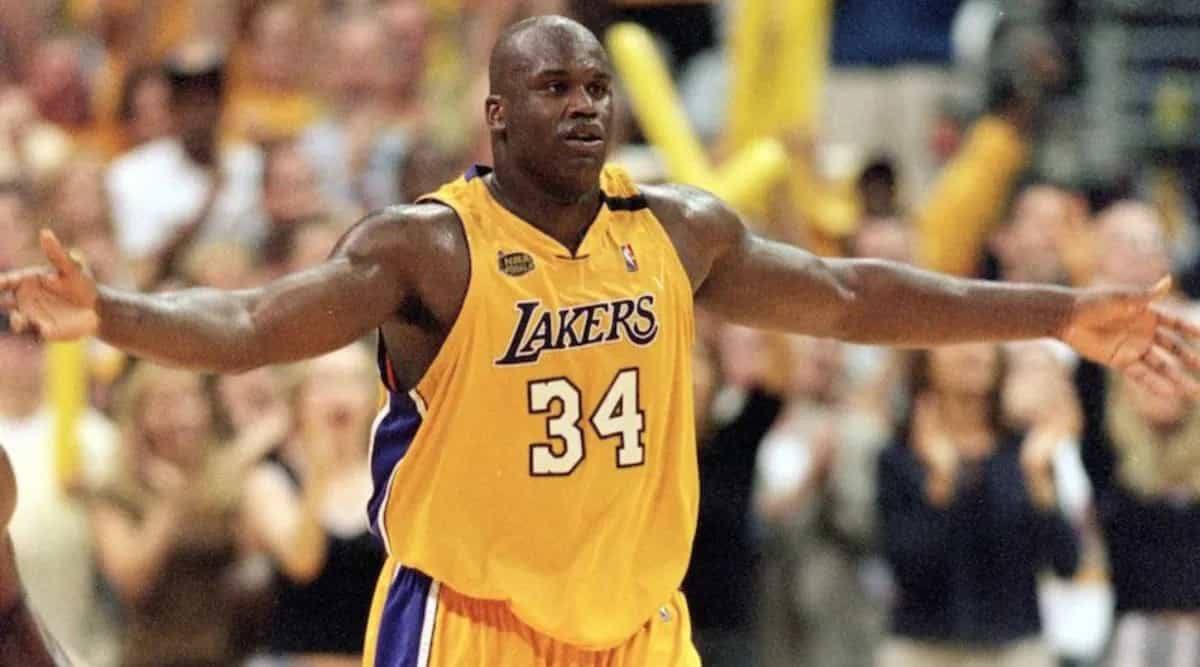
- Accolades: 4x NBA Champion, 1x Regular Season MVP, 3x Finals MVP, 14x All-NBA Selection, 2x Scoring Champion
- Impact: Shaquille O’Neal presented the modern NBA with its most overwhelming physical force. During the Lakers’ 2000 championship run, O’Neal delivered one of the most dominant Finals performances in league history, averaging 38.0 points and 16.7 rebounds per game against the Indiana Pacers. His three consecutive Finals MVP trophies from 2000 through 2002 established a baseline of paint efficiency that collapsed defensive structures and forced opponents into persistent rotational foul trouble.
10. Hakeem Olajuwon
- Teams: Houston Rockets, Toronto Raptors
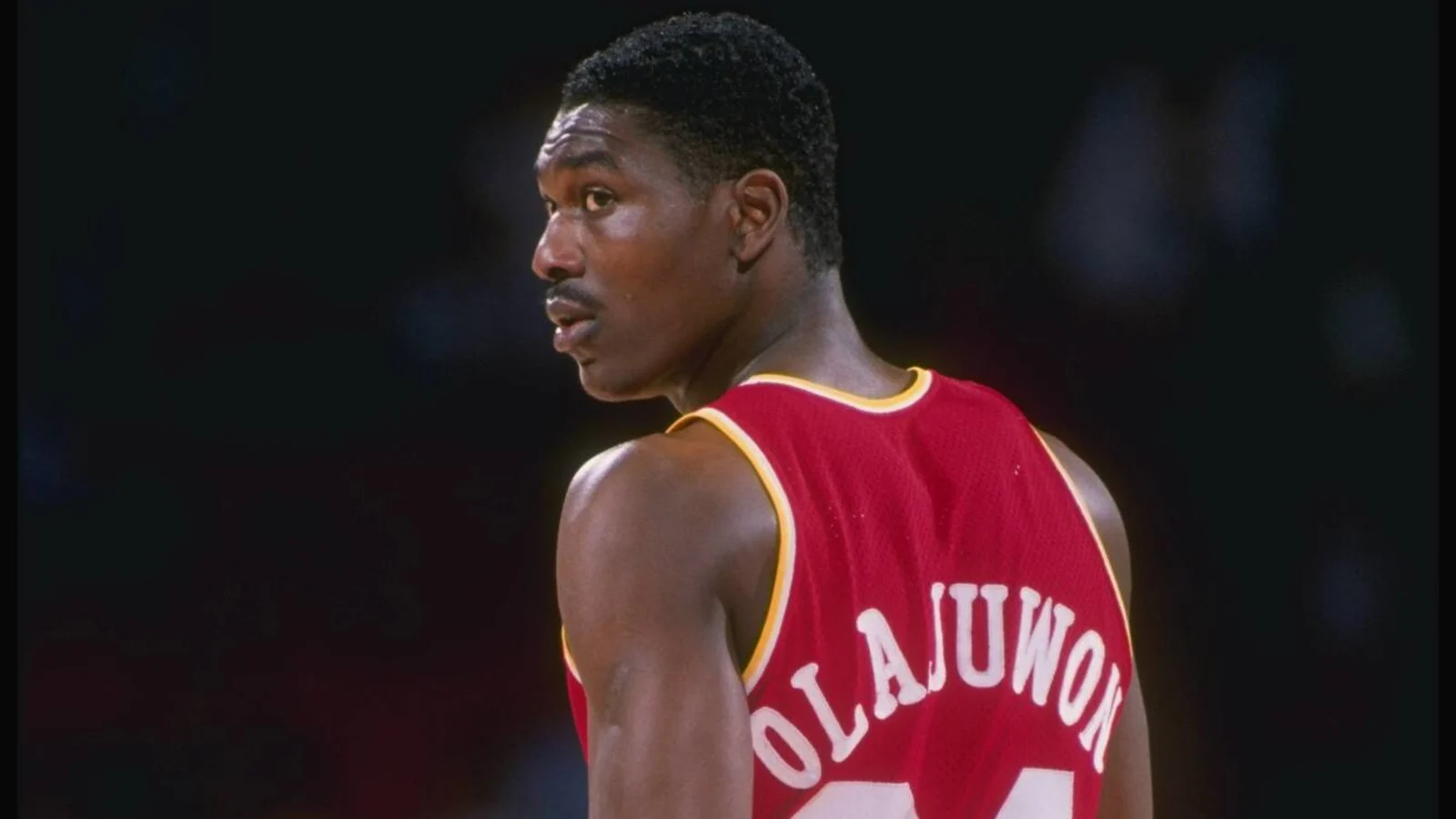
- Accolades: 2x NBA Champion, 1x Regular Season MVP, 2x Finals MVP, 2x Defensive Player of the Year, 12x All-NBA Selection
- Impact: Renowned for his footwork and the unguardable “Dream Shake,” Hakeem Olajuwon was an elite two-way center. In 1994, Olajuwon completed an unprecedented sweep by winning regular-season MVP, Defensive Player of the Year, and Finals MVP in the same campaign. He retired as the league’s all-time leader in blocked shots, consistently outdueling Hall of Fame peers during back-to-back championship runs.
11. Kobe Bryant
- Teams: Los Angeles Lakers
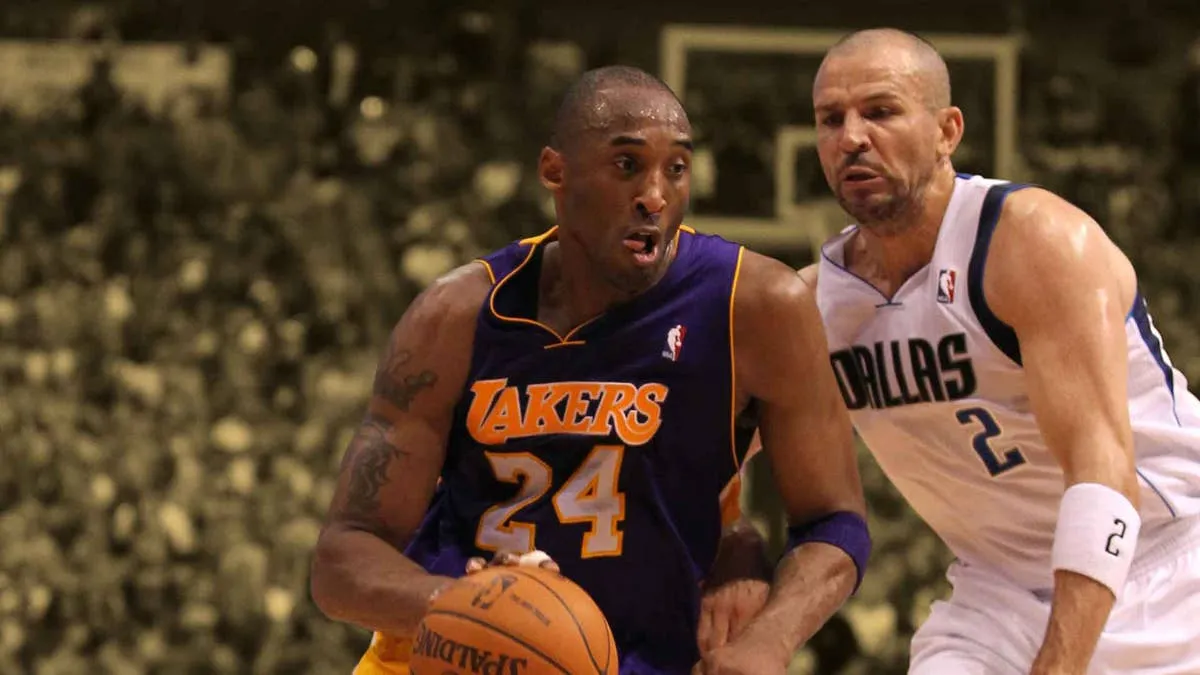
- Accolades: 5x NBA Champion, 1x Regular Season MVP, 2x Finals MVP, 15x All-NBA Selection, 12x All-Defensive Selection
- Impact: Kobe Bryant mirrored Michael Jordan’s technical footwork, difficult shot-making, and perimeter defensive pressure over two decades in Los Angeles. Bryant captured three consecutive titles alongside Shaquille O’Neal before leading the Lakers to back-to-back championships in 2009 and 2010 as the team’s primary star. His 81-point performance against the Toronto Raptors on January 22, 2006, and his uncompromising preparation established an iconic global legacy.
12. Stephen Curry
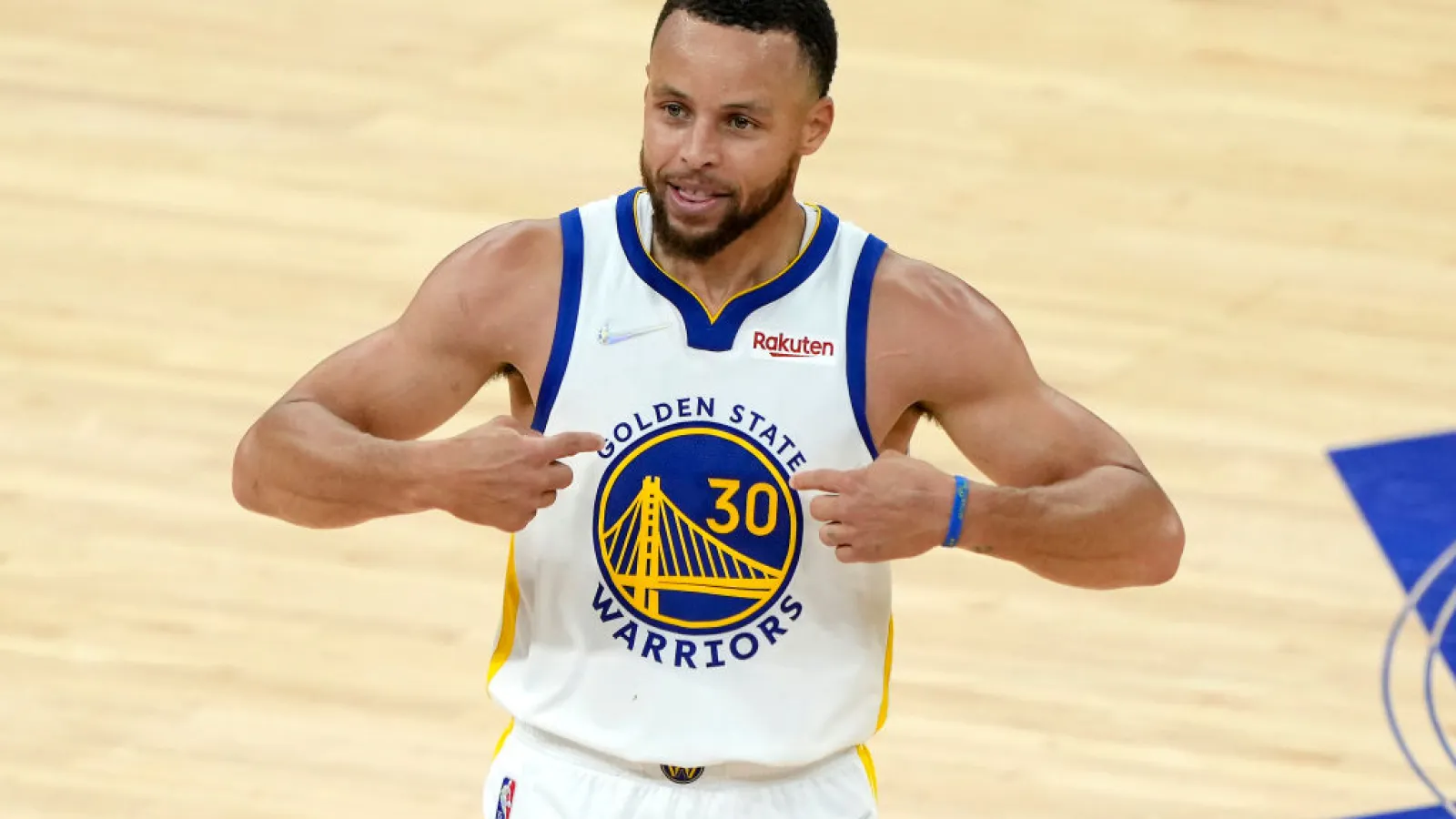
- Teams: Golden State Warriors
- Accolades: 4x NBA Champion, 2x Regular Season MVP (First Unanimous Selection), 1x Finals MVP, 11x All-NBA Selection
- Impact: Stephen Curry transformed offensive spacing by expanding the practical scoring zone beyond 30 feet. Leading Golden State to four championships, Curry’s off-ball movement, rapid release, and pull-up marksmanship created unprecedented offensive gravity. His shooting dismantled traditional perimeter defensive schemes and solidified his standing among the greatest floor generals in history.
13. Kevin Durant

- Teams: Seattle SuperSonics/Oklahoma City Thunder, Golden State Warriors, Brooklyn Nets, Phoenix Suns, Houston Rockets
- Accolades: 2x NBA Champion, 1x Regular Season MVP, 2x Finals MVP, 12x All-NBA Selection, 4x Scoring Champion
- Impact: Standing nearly seven feet tall with guard handling and high-release shooting, Kevin Durant represents one of the most efficient three-level scorers the sport has seen. Durant claimed two Finals MVP trophies with Golden State, utilizing pull-up mid-range jumpers and perimeter range to deliver decisive postseason scoring on the game’s biggest stage.
14. Oscar Robertson
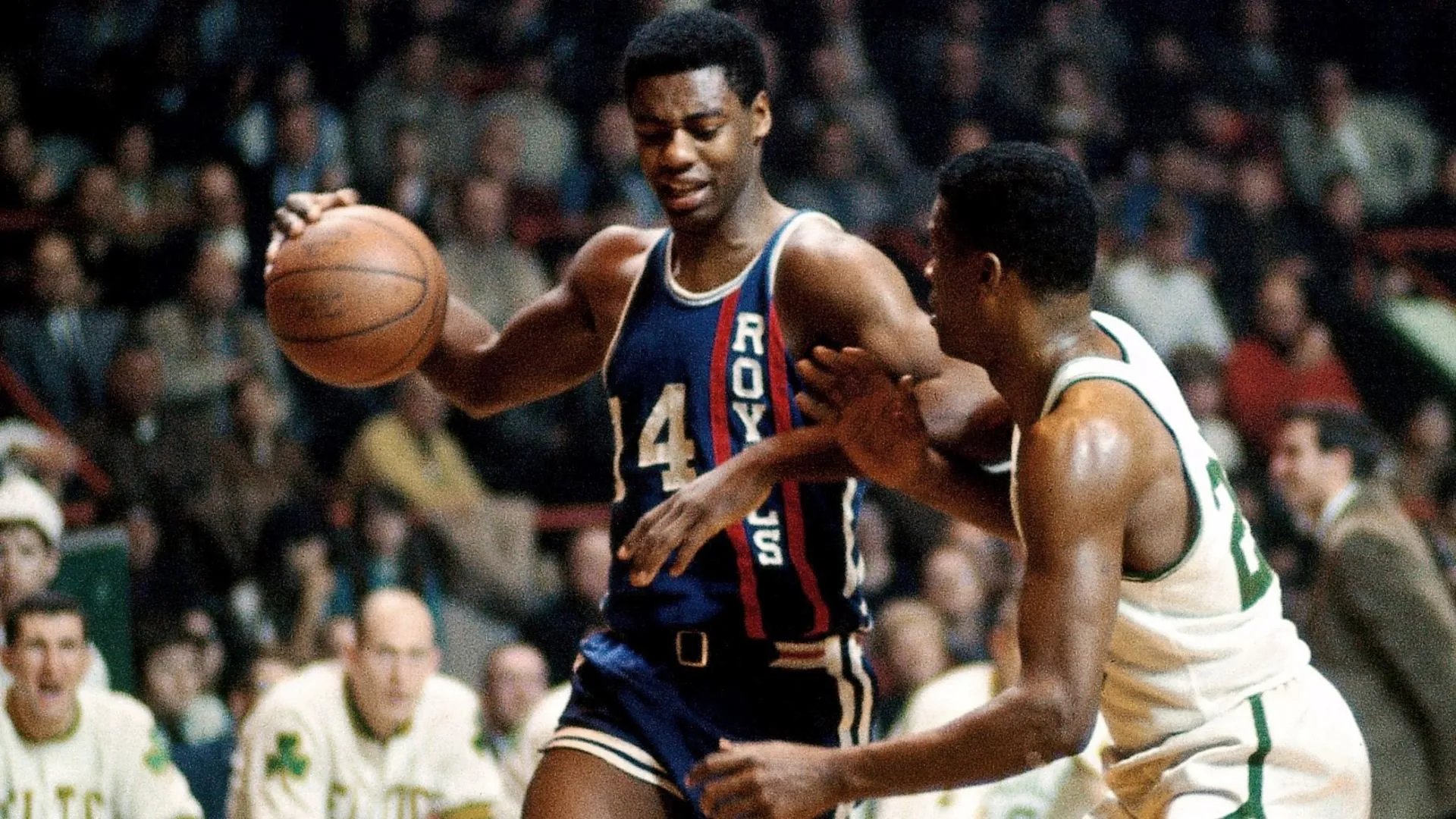
- Teams: Cincinnati Royals, Milwaukee Bucks
- Accolades: 1x NBA Champion, 1x Regular Season MVP, 11x All-NBA Selection, 12x All-Star
- Impact: “The Big O” introduced physical, all-around guard dominance by becoming the first player in league history to average a triple-double across an entire season. Robertson paired high-volume scoring with court vision, later partnering with Kareem Abdul-Jabbar in Milwaukee to capture the 1971 NBA title.
15. Moses Malone
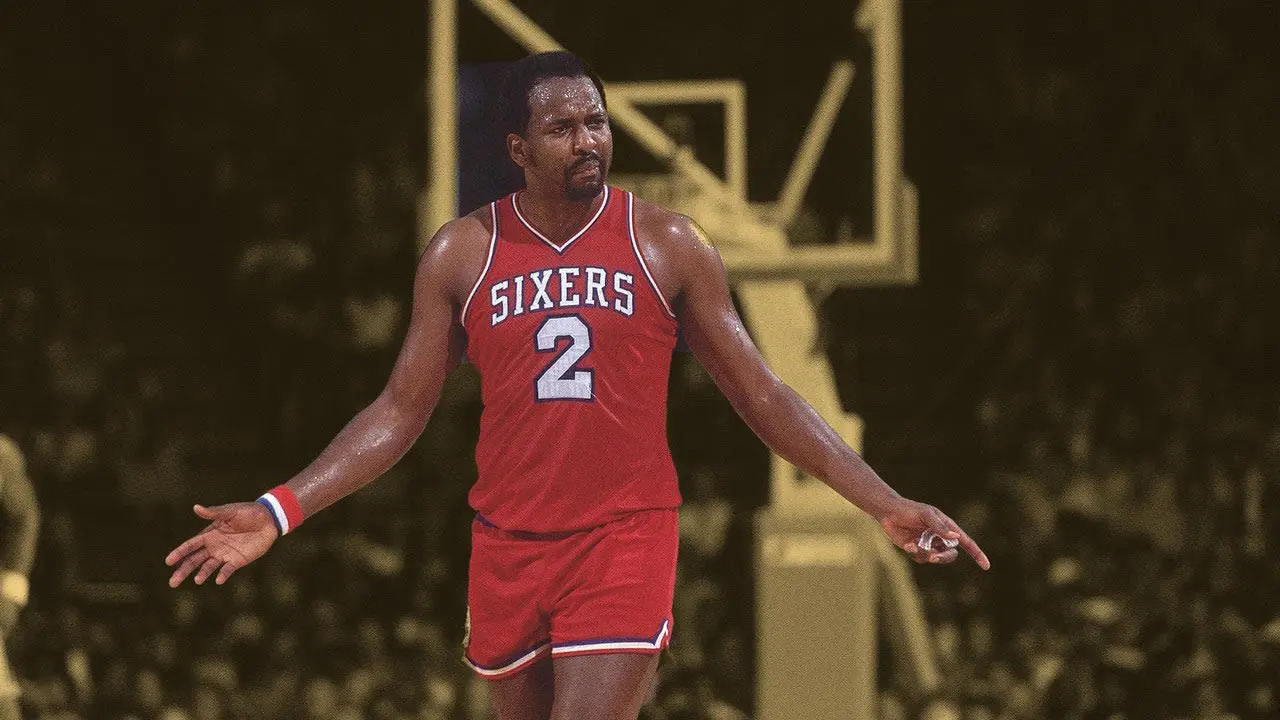
- Teams: Houston Rockets, Philadelphia 76ers, Washington Bullets, Atlanta Hawks
- Accolades: 1x NBA Champion, 3x Regular Season MVP, 1x Finals MVP, 8x All-NBA Selection, 6x Rebound Champion
- Impact: Moses Malone controlled the offensive glass through positioning and second-effort finishes. A three-time regular-season MVP, Malone led the 1983 Philadelphia 76ers to a dominant 12-1 postseason championship run, earning Finals MVP honors while neutralizing opposing frontcourts through interior physicality.
16. Jerry West
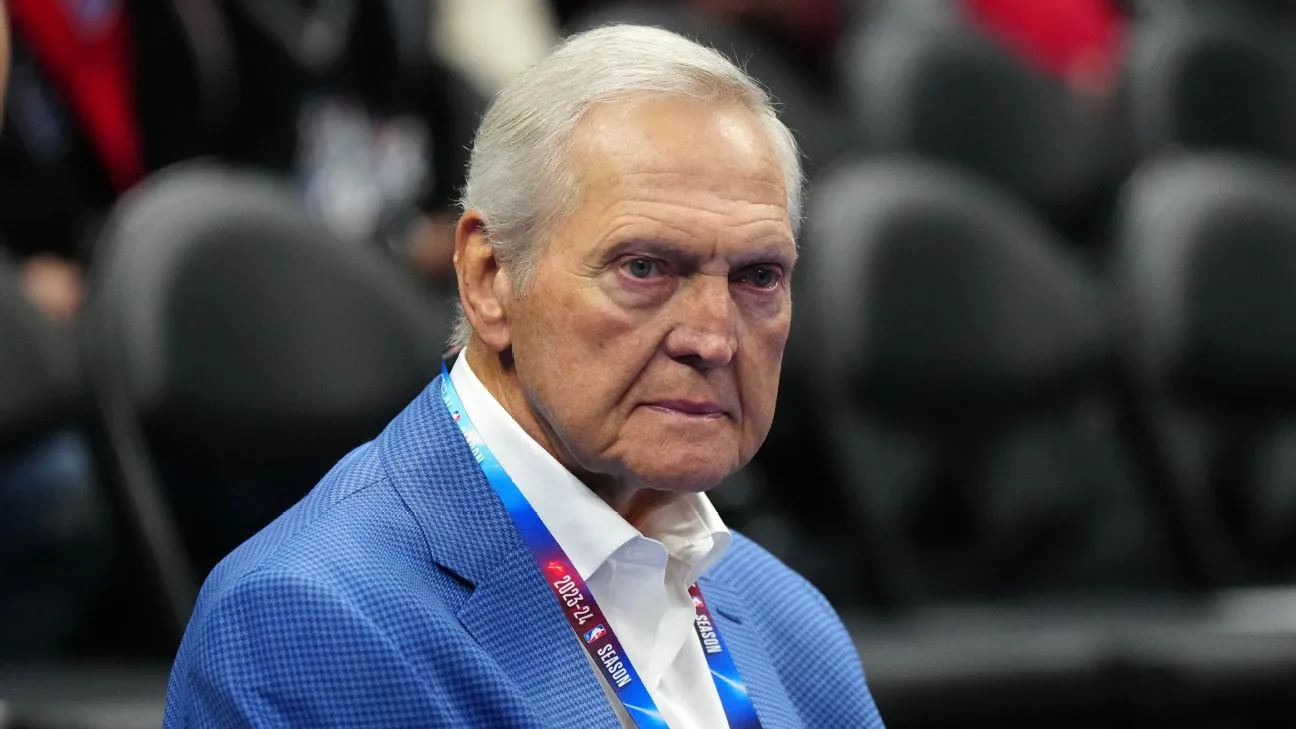
- Teams: Los Angeles Lakers
- Accolades: 1x NBA Champion, 1x Finals MVP (Inaugural Winner, 1969), 12x All-NBA Selection, 14x All-Star
- Impact: “Mr. Clutch” reached nine NBA Finals, remaining the only player in league history to claim Finals MVP honors while playing for the losing team. West’s perimeter shooting, playmaking, and late-game execution made him the foundational star of the Los Angeles backcourt and the visual silhouette for the NBA logo.
17. Julius Erving
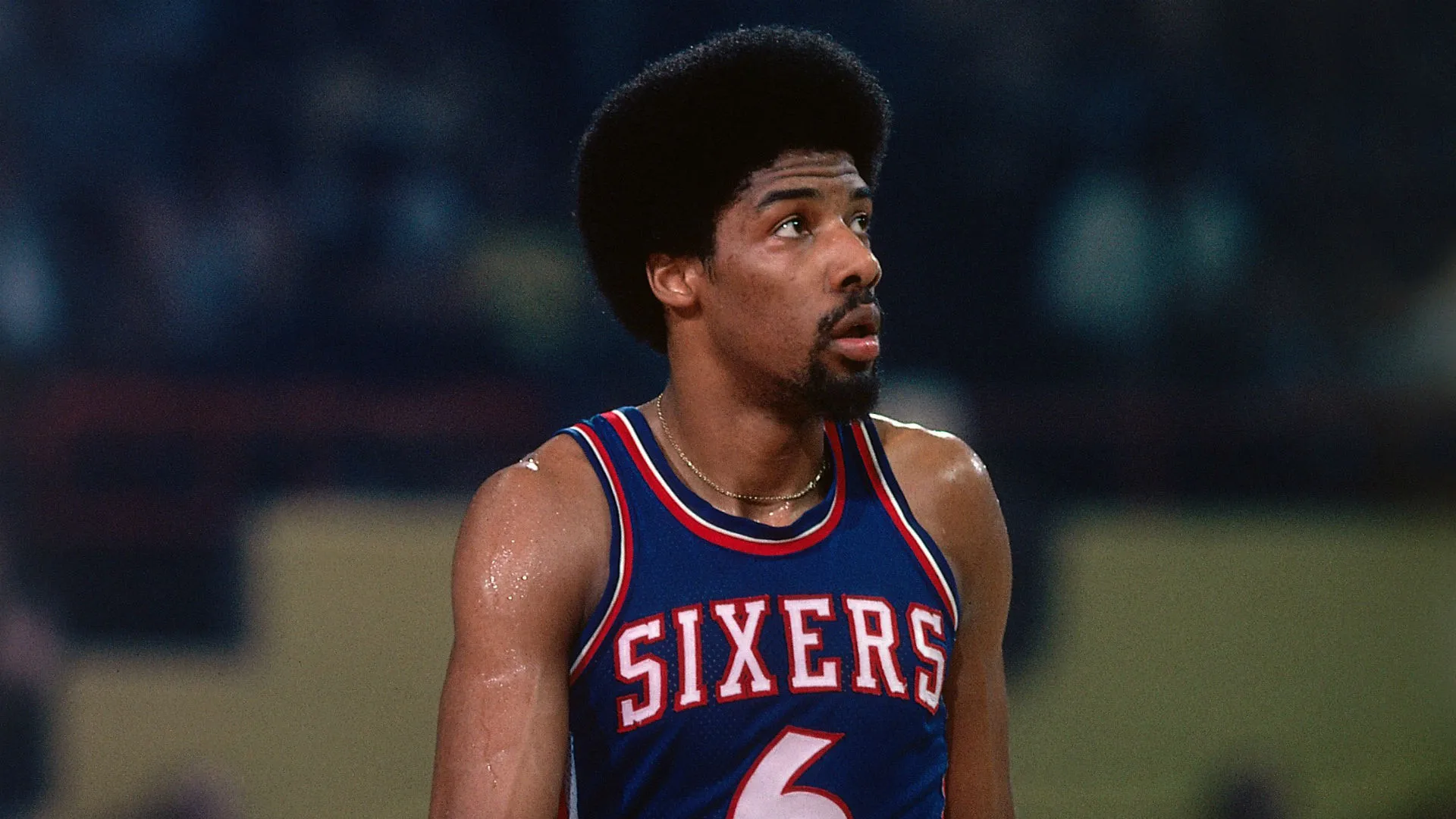
- Teams: Philadelphia 76ers
- Accolades: 1x NBA Champion, 1x Regular Season MVP, 7x All-NBA Selection, 11x NBA All-Star, 2x ABA Champion
- Impact: “Dr. J” introduced aerial artistry and graceful transition finishing to professional basketball. After dominating the ABA, Erving transitioned to the NBA with Philadelphia, claiming the 1981 MVP award and teaming with Moses Malone to win the 1983 championship, creating the blueprint for the modern scoring wing.
18. Karl Malone
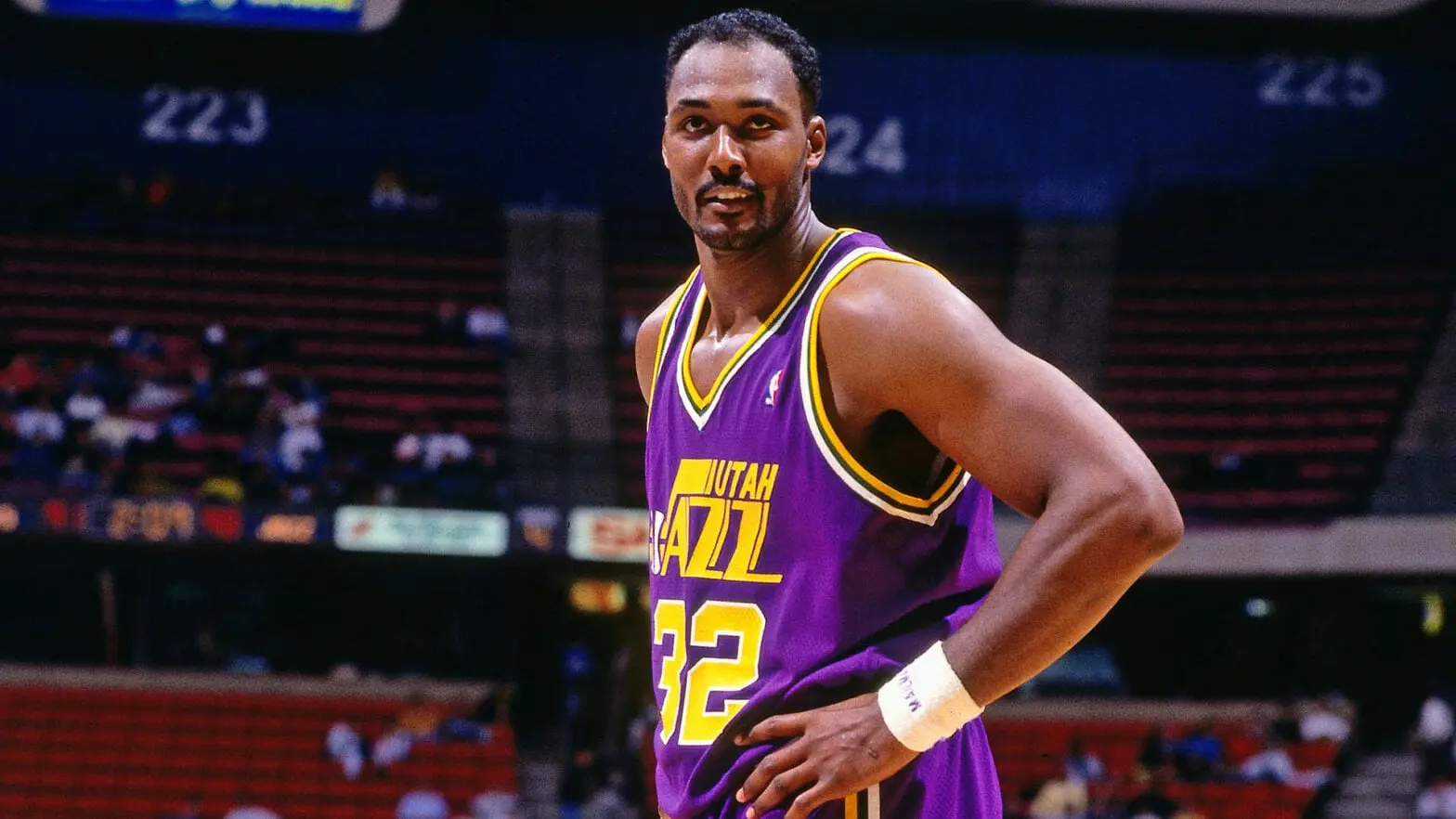
- Teams: Utah Jazz, Los Angeles Lakers
- Accolades: 2x Regular Season MVP, 14x All-NBA Selection, 14x All-Star, 4x All-Defensive Selection
- Impact: Karl Malone utilized strength, durability, and a mid-range jumper to establish a prolonged scoring baseline at power forward. Teaming with John Stockton in Utah’s pick-and-roll offense, Malone captured two MVP trophies and led the Jazz to consecutive Finals appearances in 1997 and 1998.
19. Dirk Nowitzki
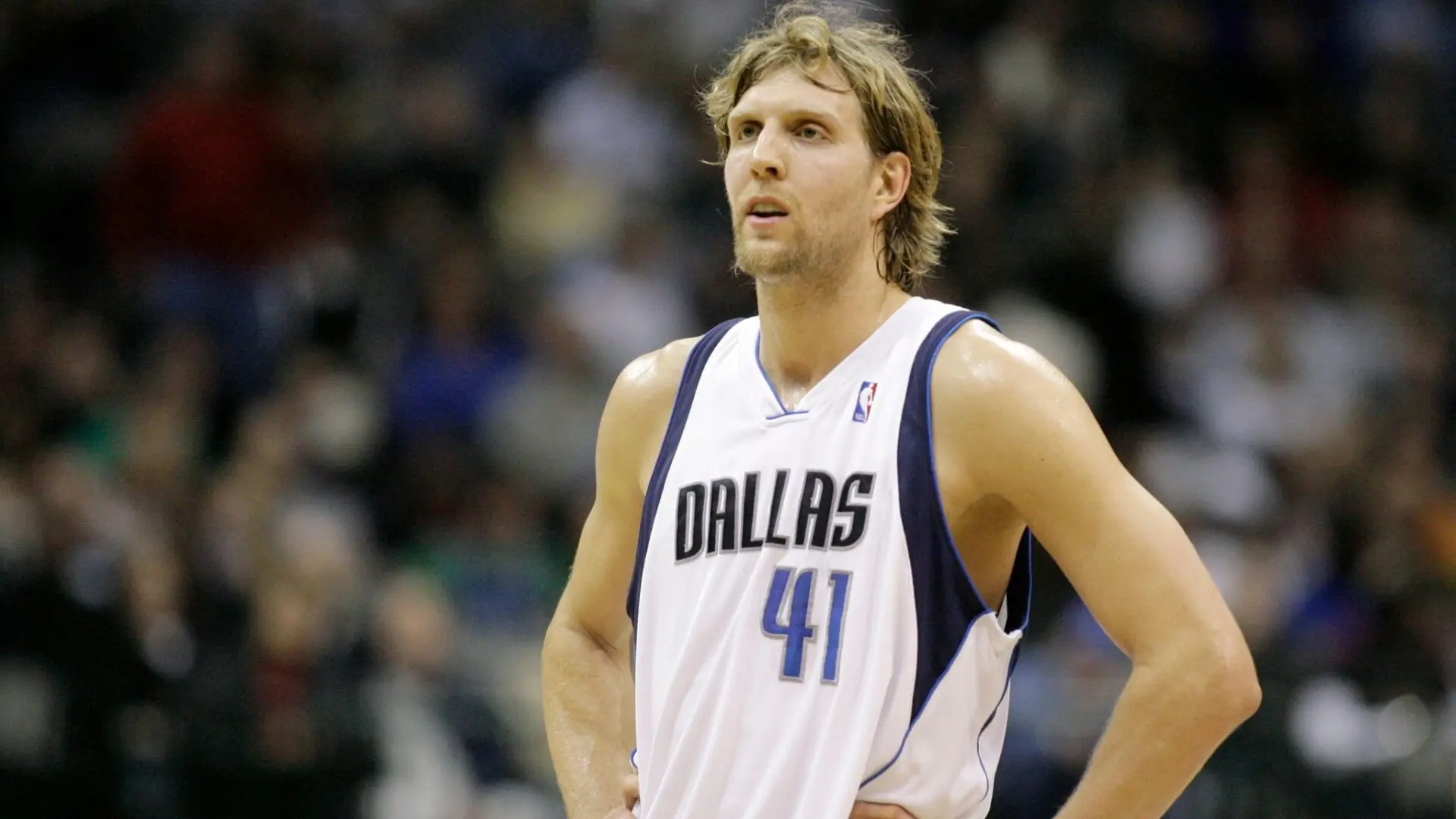
- Teams: Dallas Mavericks
- Accolades: 1x NBA Champion, 1x Regular Season MVP, 1x Finals MVP, 12x All-NBA Selection, 14x All-Star
- Impact: Dirk Nowitzki revolutionized the stretch-four position with seven-foot shooting range and his signature one-legged fadeaway. Nowitzki led Dallas to the 2011 championship, engineering an iconic playoff run that defeated multiple contemporary contenders without an All-Star teammate.
20. Kevin Garnett
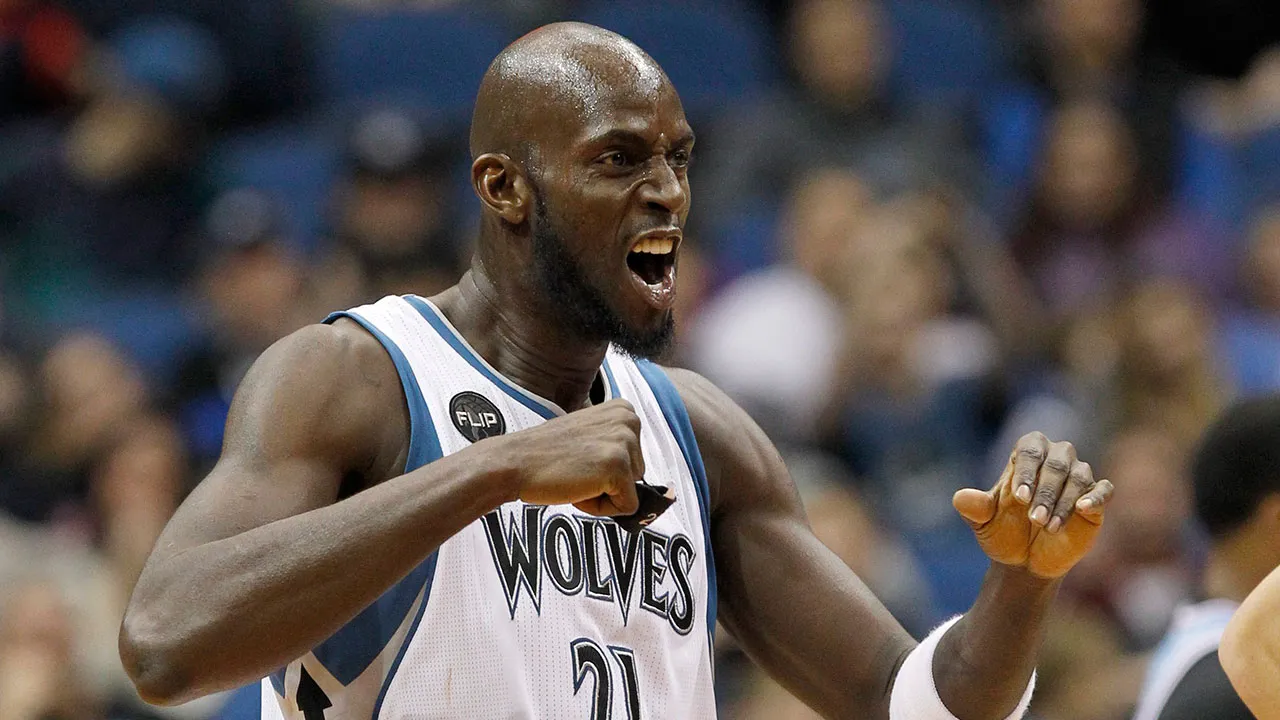
- Teams: Minnesota Timberwolves, Boston Celtics, Brooklyn Nets
- Accolades: 1x NBA Champion, 1x Regular Season MVP, 2008 Defensive Player of the Year, 9x All-NBA Selection, 12x All-Defensive Selection
- Impact: Kevin Garnett combined intensity, switchable perimeter defense, and high-post passing. After winning the 2004 MVP in Minnesota, Garnett anchored Boston’s historic defense to capture the 2008 championship, establishing modern concepts in pick-and-roll coverage and rotational communication.
21. Giannis Antetokounmpo
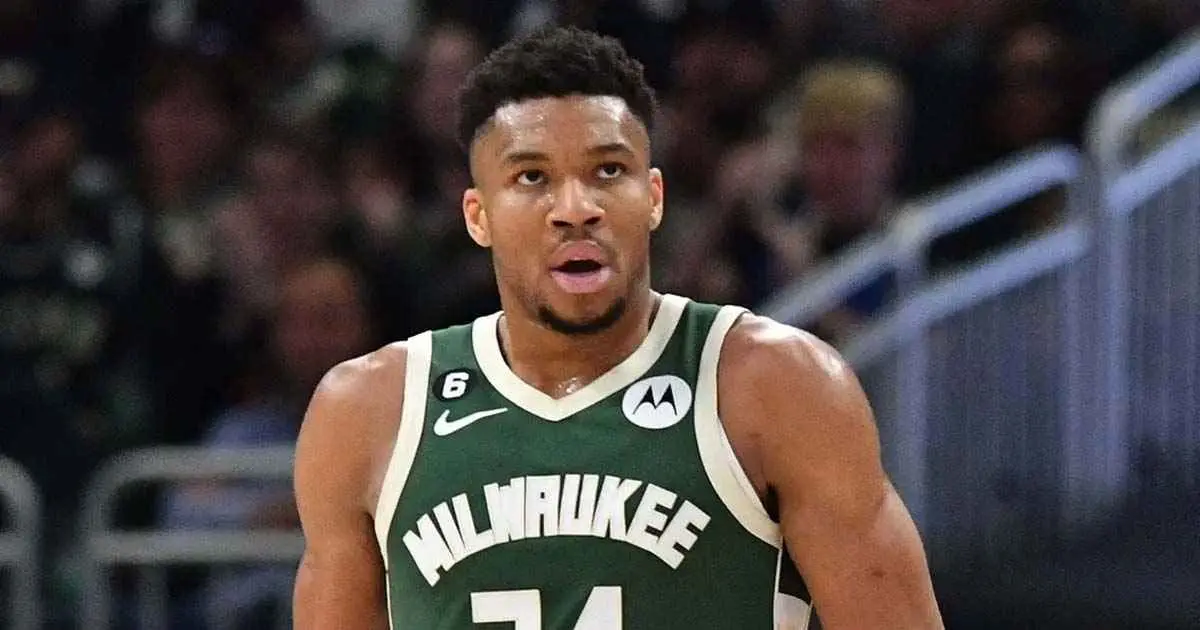
- Teams: Milwaukee Bucks
- Accolades: 1x NBA Champion, 2x Regular Season MVP, 1x Finals MVP, 2020 Defensive Player of the Year, 9x All-NBA Selection
- Impact: The “Greek Freak” combines downhill transition force with all-court defensive versatility. Antetokounmpo guided Milwaukee to the 2021 championship, punctuating the title run with a historic 50-point, 14-rebound, 5-block performance in Game 6 of the NBA Finals.
22. Nikola Jokic
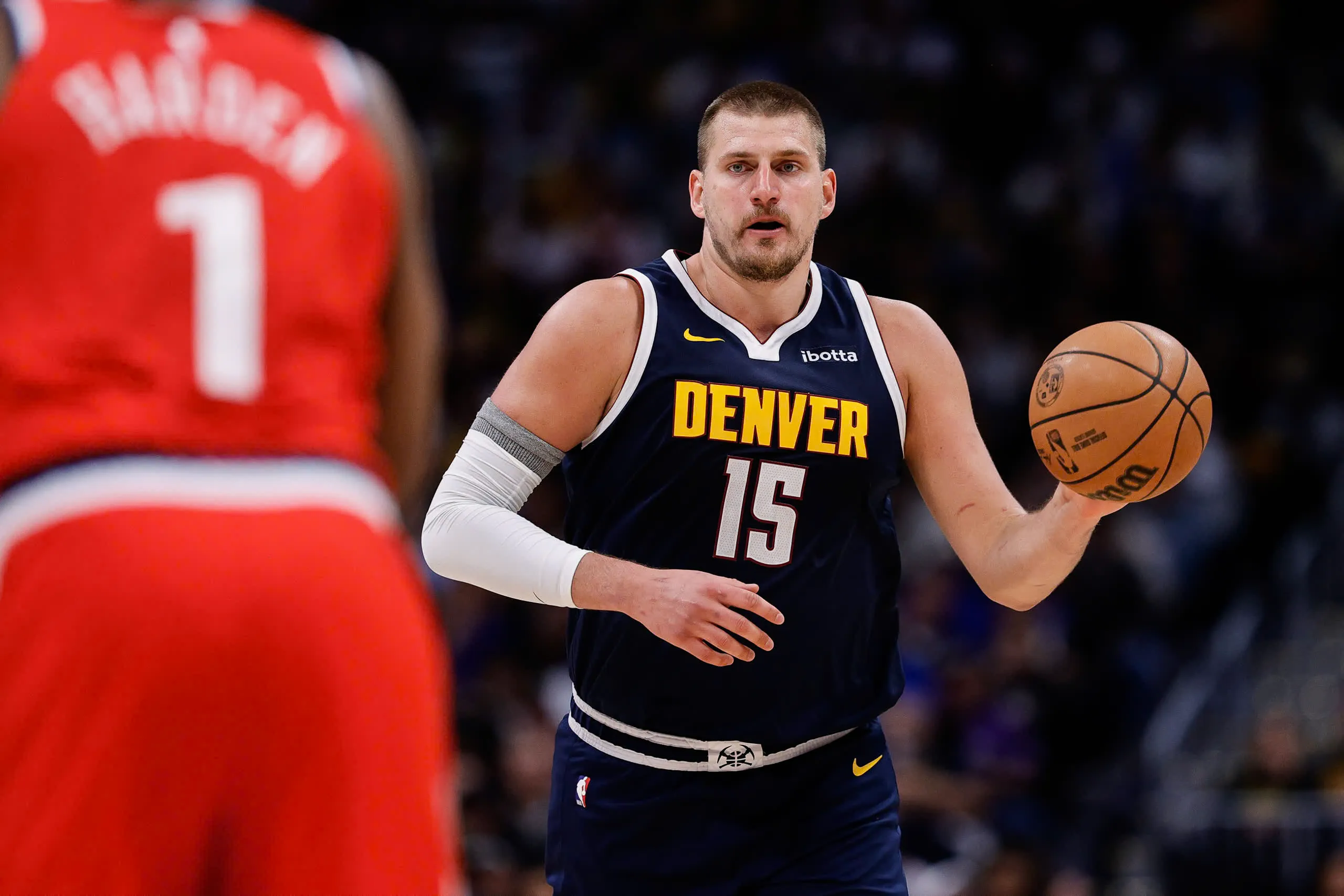
- Teams: Denver Nuggets
- Accolades: 1x NBA Champion, 3x Regular Season MVP, 1x Finals MVP, 8x All-NBA Selection
- Impact: Nikola Jokic has modernized the center position through elite court vision, low-post touch, and spatial anticipation. Leading Denver to the 2023 championship, Jokic became the first player in postseason history to lead all playoff participants in total points, rebounds, and assists. His three regular-season MVP awards and offensive efficiency metrics place him among the game’s greatest offensive hubs.
23. John Stockton
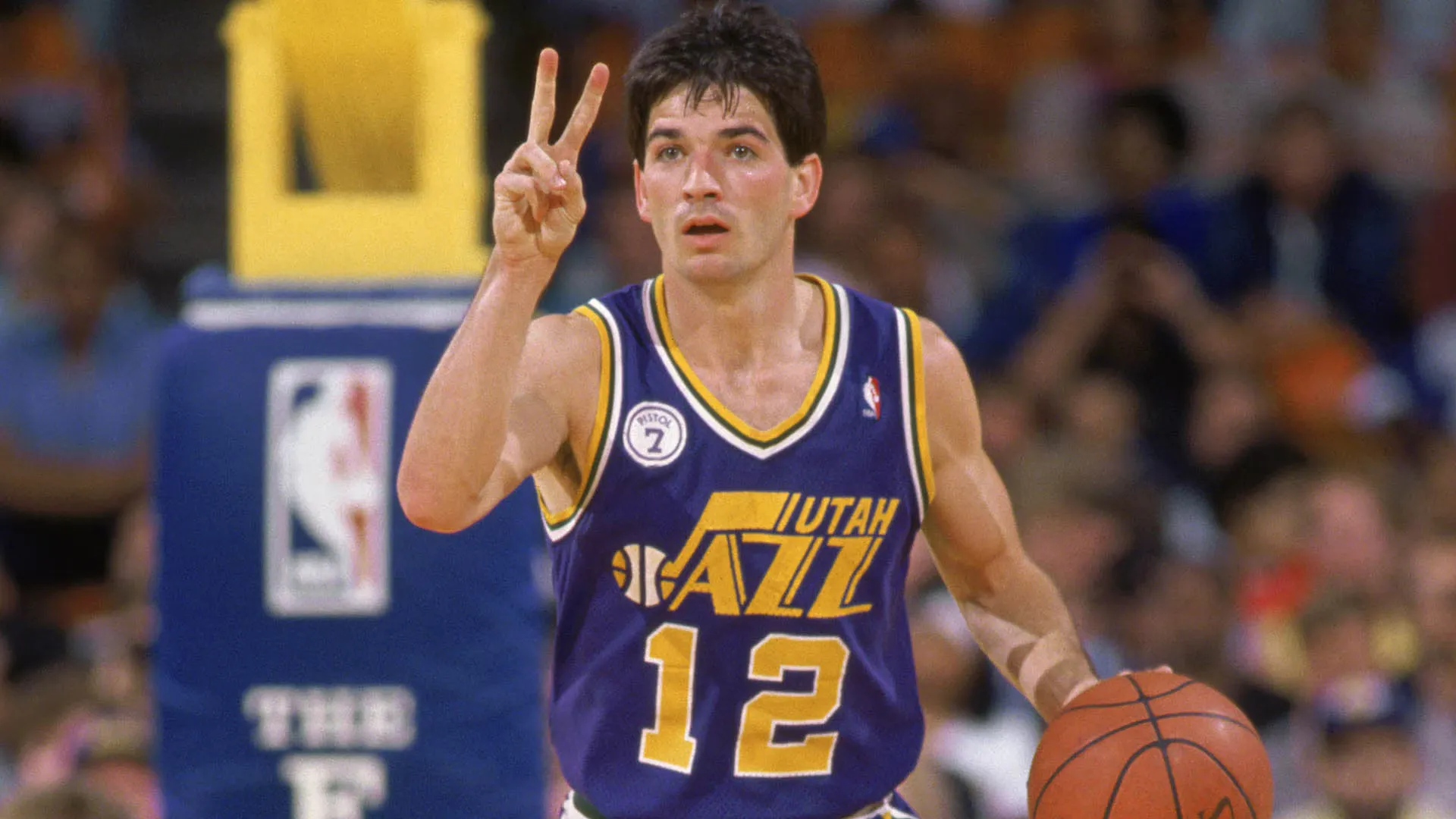
- Teams: Utah Jazz
- Accolades: All-Time Career Assists and Steals Record Holder, 11x All-NBA Selection, 10x All-Star, 5x All-Defensive Selection
- Impact: John Stockton defined point guard efficiency and durable execution across nearly two decades. Orchestrating Utah’s offense alongside Karl Malone, Stockton established career records of 15,806 assists and 3,265 steals, marks that remain far ahead of any modern challenger.
24. Isiah Thomas
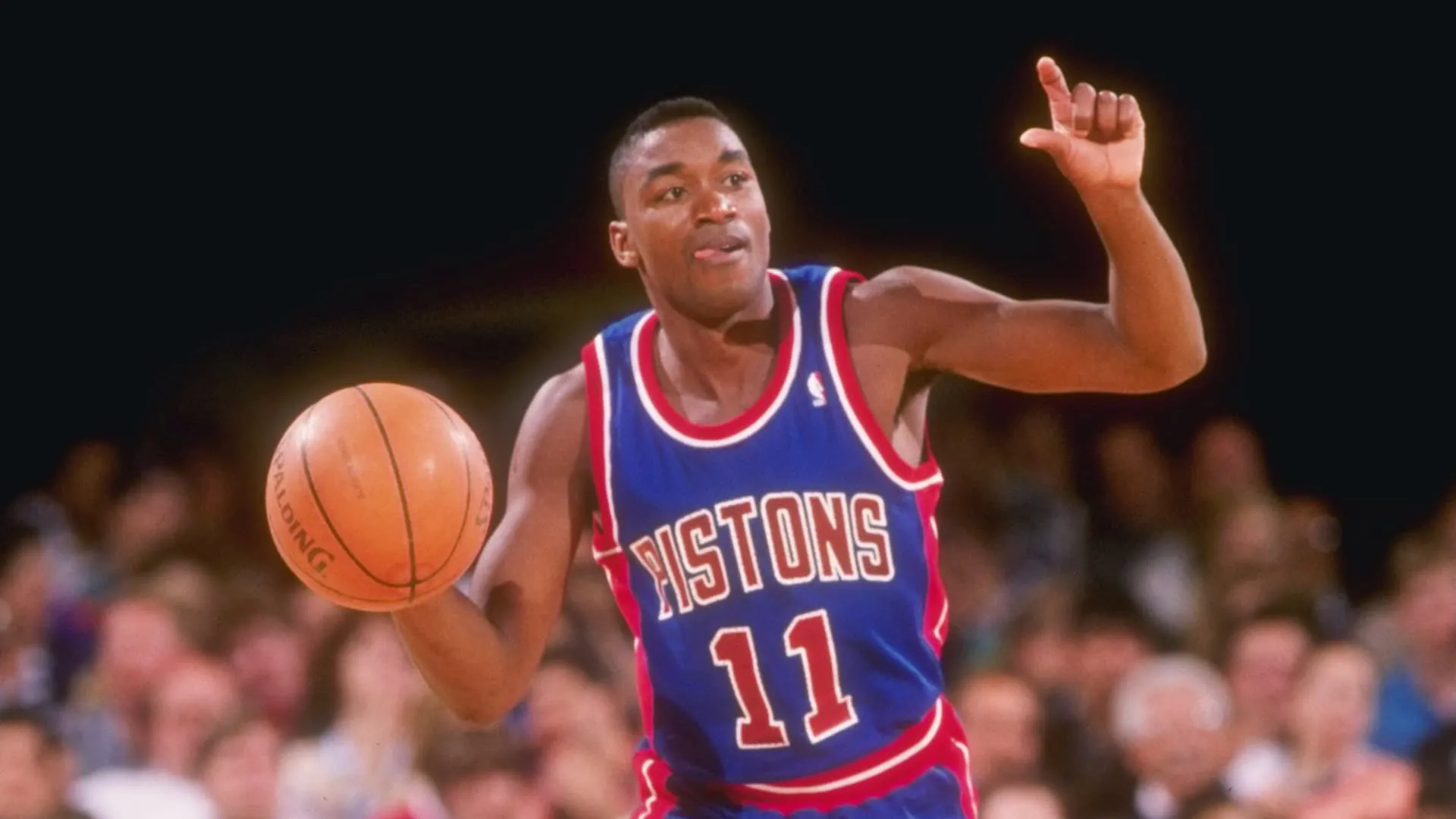
- Teams: Detroit Pistons
- Accolades: 2x NBA Champion, 1x Finals MVP (1990), 12x All-Star, 5x All-NBA Selection
- Impact: The fearless floor general of the “Bad Boys” Detroit Pistons, Isiah Thomas combined ball handling, perimeter penetration, and late-game poise. Thomas directed Detroit to back-to-back championships in 1989 and 1990, defeating dynasties led by Magic Johnson, Larry Bird, and Michael Jordan. His 25-point quarter on an injured ankle in the 1988 Finals stands as one of the most resilient clutch performances in postseason history.
25. Charles Barkley
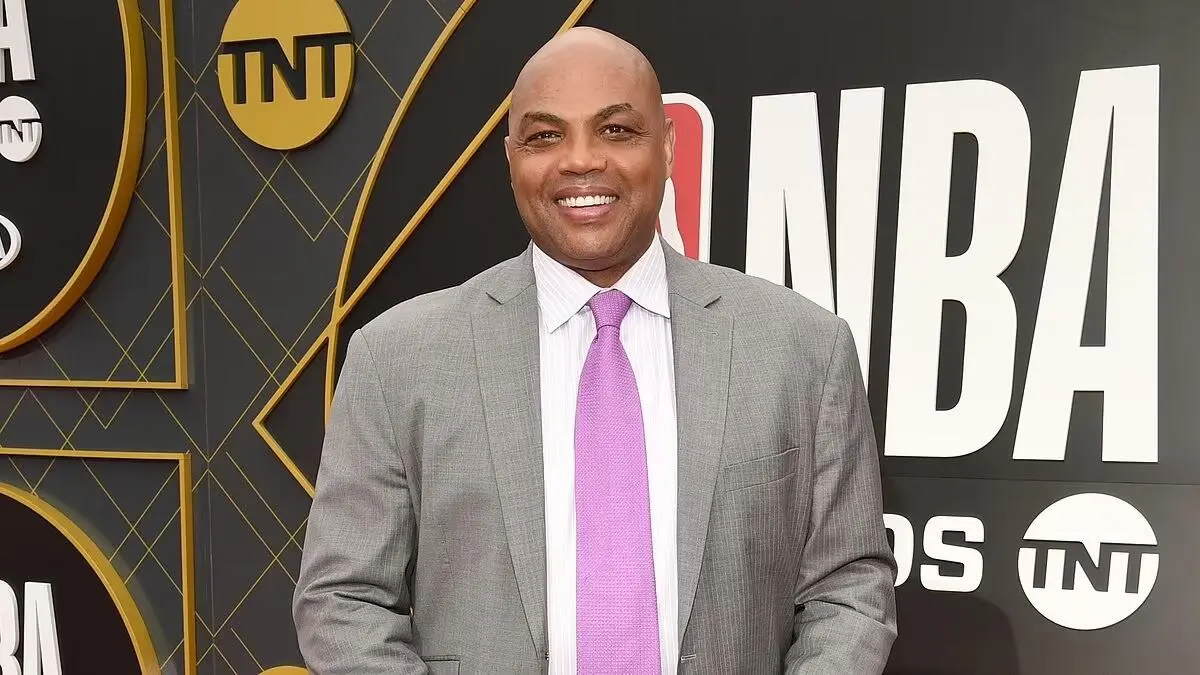
- Teams: Philadelphia 76ers, Phoenix Suns, Houston Rockets
- Accolades: 1x Regular Season MVP, 11x All-NBA Selection, 11x All-Star, 1987 Rebound Champion
- Impact: Standing an undersized 6-foot-6, Charles Barkley dominated frontcourts through strength, positioning, and coast-to-coast transition handling. Barkley captured the 1993 MVP award and guided Phoenix to the Finals, demonstrating that positioning and leverage can outwork traditional size.
26. David Robinson
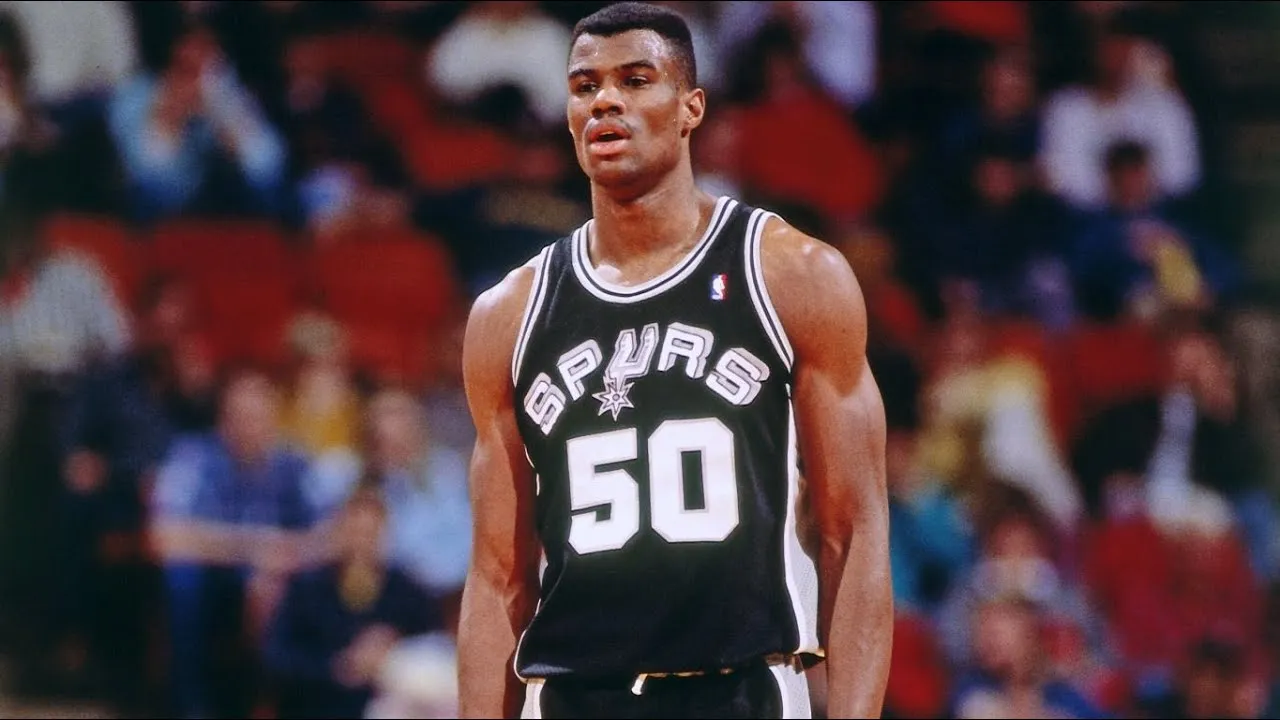
- Teams: San Antonio Spurs
- Accolades: 2x NBA Champion, 1x Regular Season MVP, 1992 Defensive Player of the Year, 10x All-NBA Selection, 8x All-Defensive Selection
- Impact: “The Admiral” matched a 7-foot-1 frame with sprinter mobility and premier rim protection. Robinson recorded a quadruple-double, won a scoring title, and claimed Defensive Player of the Year honors before partnering with Tim Duncan to secure two championships for San Antonio.
27. Scottie Pippen
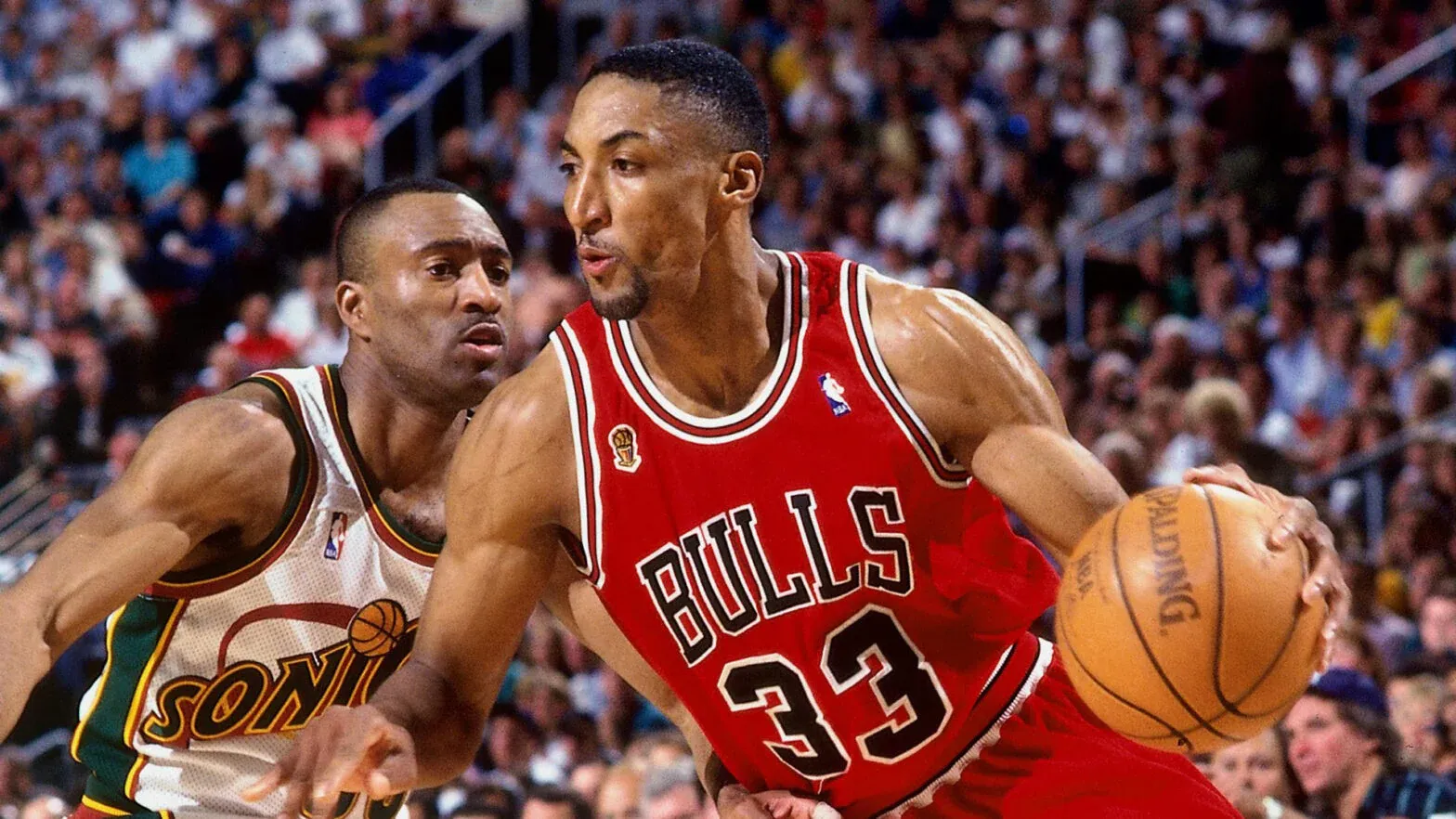
- Teams: Chicago Bulls, Houston Rockets, Portland Trail Blazers
- Accolades: 6x NBA Champion, 7x All-Star, 7x All-NBA Selection, 10x All-Defensive Selection (8x First Team)
- Impact: Pippen served as the definitive prototype for the modern two-way point forward. Taking primary perimeter assignments against opposing stars, Pippen initiated transition offense and served as the tactical connector for six Chicago championship teams.
28. Dwyane Wade
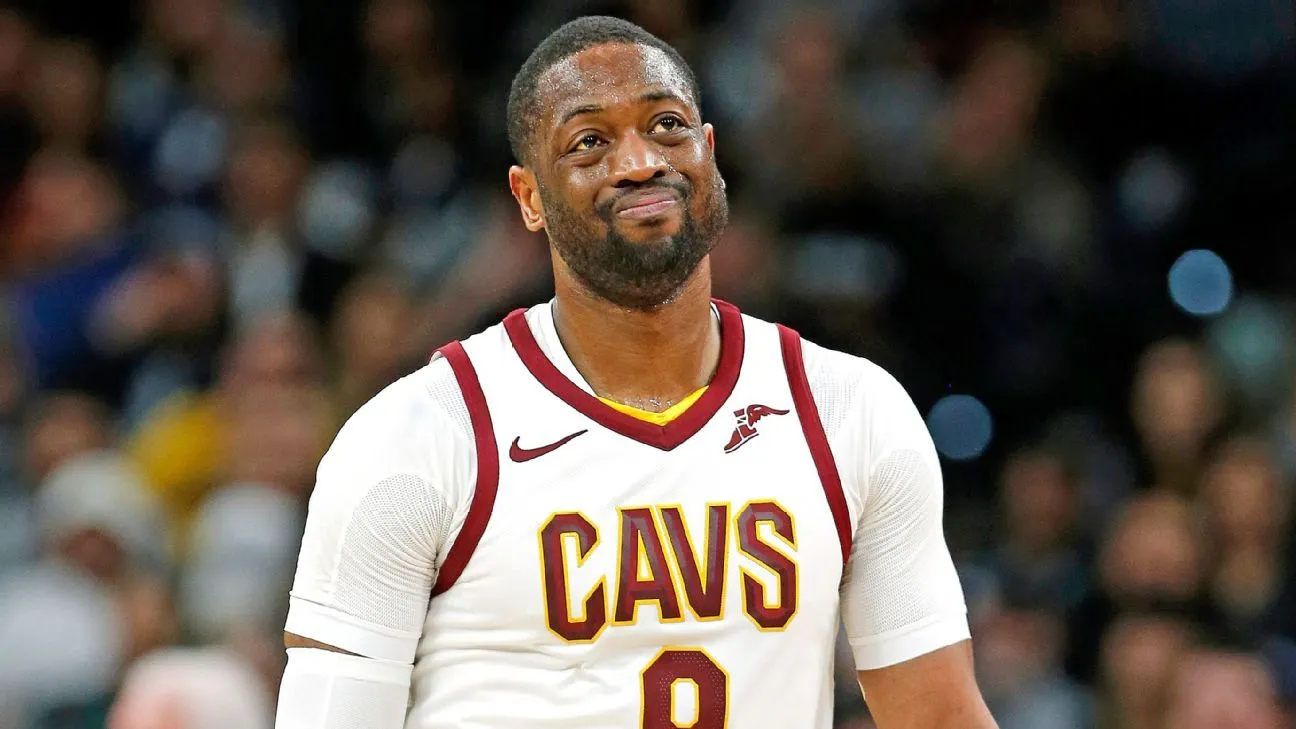
- Teams: Miami Heat, Chicago Bulls, Cleveland Cavaliers
- Accolades: 3x NBA Champion, 1x Finals MVP, 13x All-Star, 8x All-NBA Selection, 2009 Scoring Champion
- Impact: Wade produced an all-time great Finals performance in 2006 to rally Miami to its first championship, averaging 34.7 points in the series. He later teamed with LeBron James and Chris Bosh to add two more titles, combining explosive rim pressure with elite shot-blocking from the guard spot.
29. Elgin Baylor
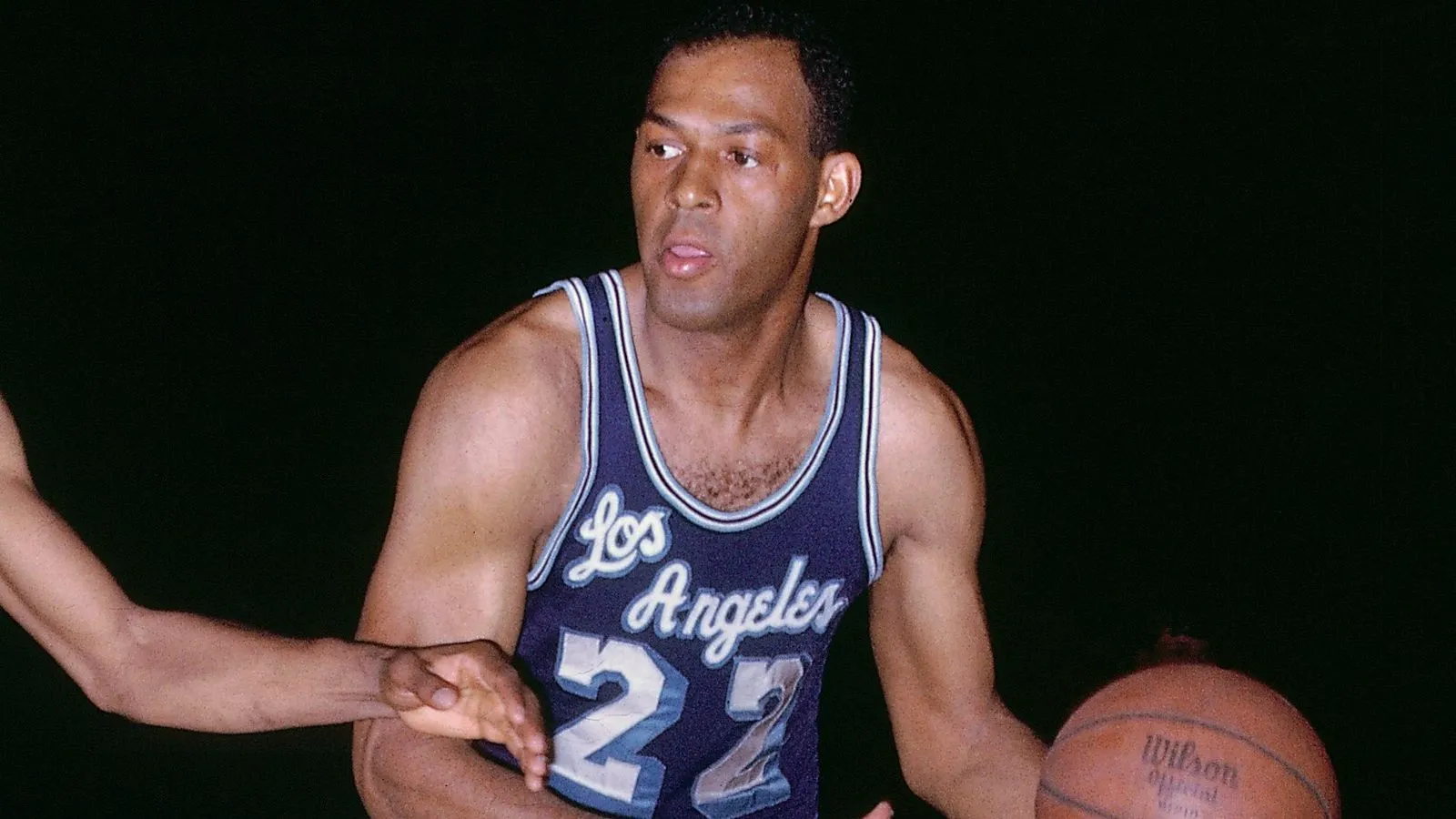
- Teams: Minneapolis/Los Angeles Lakers
- Accolades: 11x All-Star, 10x All-NBA First Team, 1959 Rookie of the Year
- Impact: Baylor introduced hang-time and body control to wing play, setting early scoring standards that included a 61-point Finals performance. His mid-air creativity directly inspired future scoring wings from Julius Erving to Michael Jordan.
30. Bob Pettit
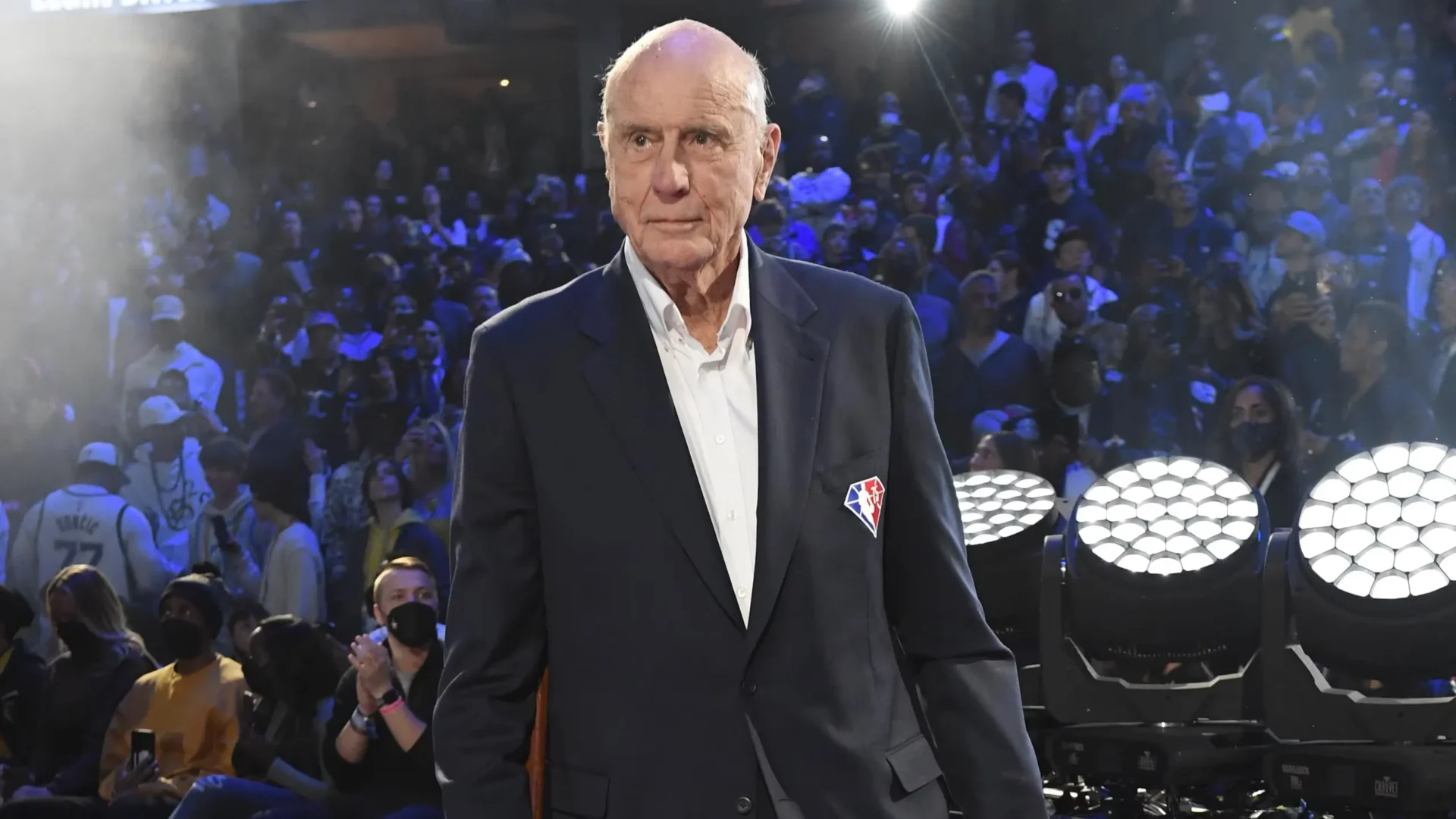
- Teams: Milwaukee/St. Louis Hawks
- Accolades: 1x NBA Champion, 2x Regular Season MVP, 11x All-NBA Selection, 11x All-Star
- Impact: The inaugural winner of the NBA regular-season MVP award in 1956, Pettit was a physical scoring forward who delivered a historic 50-point performance in Game 6 of the 1958 Finals to defeat the Boston Celtics for the title.
31. Elvin Hayes
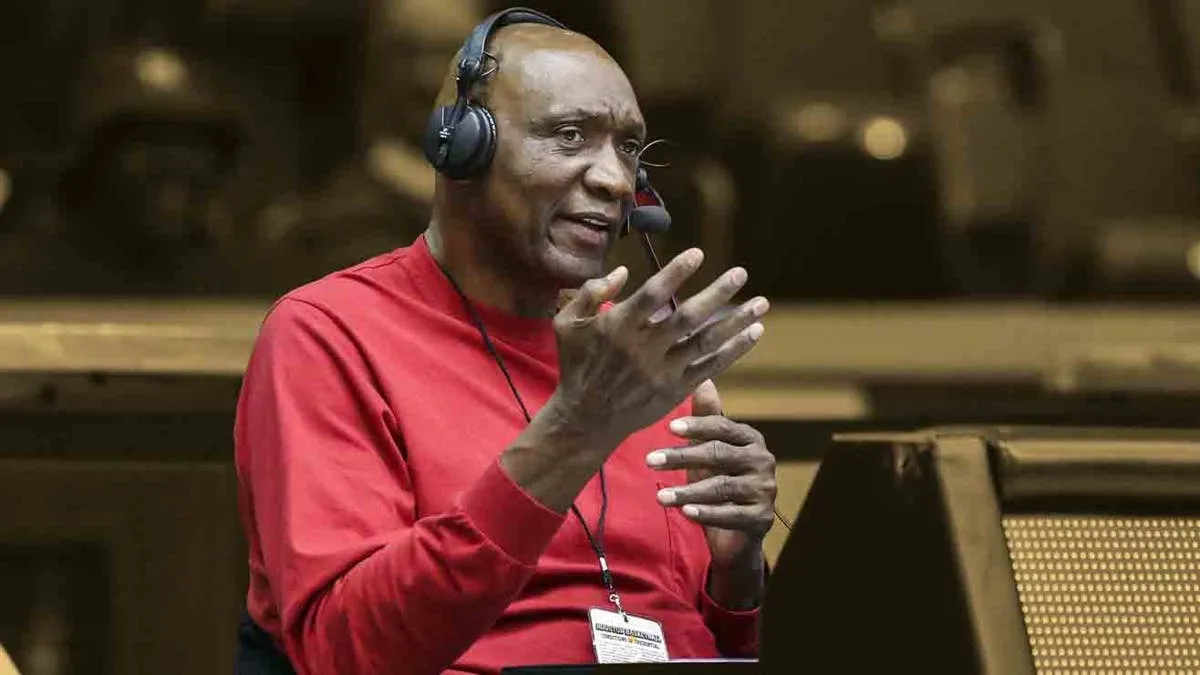
- Teams: San Diego/Houston Rockets, Baltimore/Capital/Washington Bullets
- Accolades: 1x NBA Champion, 12x All-Star, 6x All-NBA Selection, 2x All-Defensive Second Team
- Impact: Hayes utilized a turn-around jumper and durable frontcourt defense to anchor Washington to the 1978 NBA title, finishing his career among the all-time leaders in points and rebounds.
32. Patrick Ewing
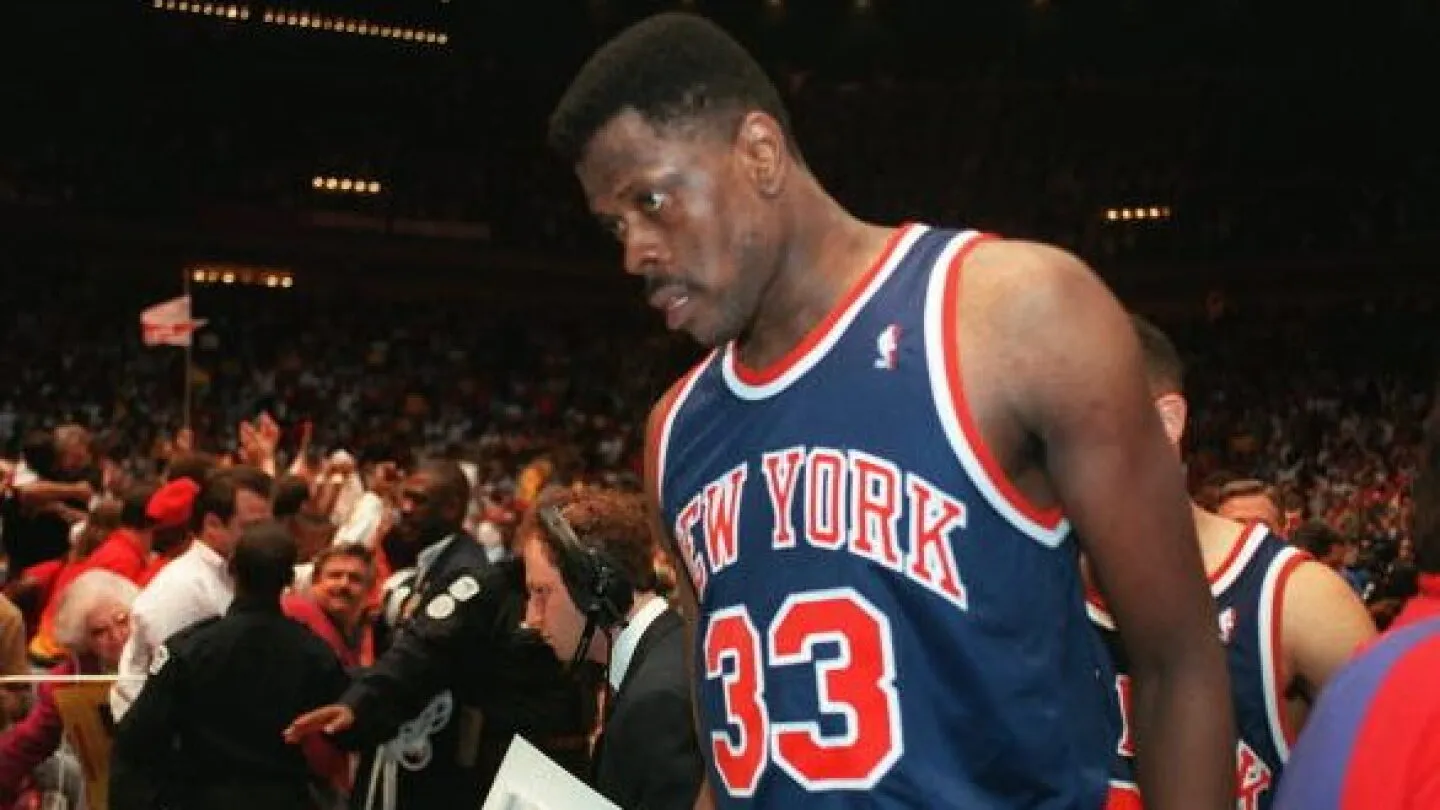
- Teams: New York Knicks, Seattle SuperSonics, Orlando Magic
- Accolades: 11x All-Star, 7x All-NBA Selection, 3x All-Defensive Second Team
- Impact: Ewing anchored the New York Knicks through a physical Eastern Conference era, providing low-post scoring, face-up jumpers, and interior rim defense during repeated deep playoff runs.
33. Clyde Drexler
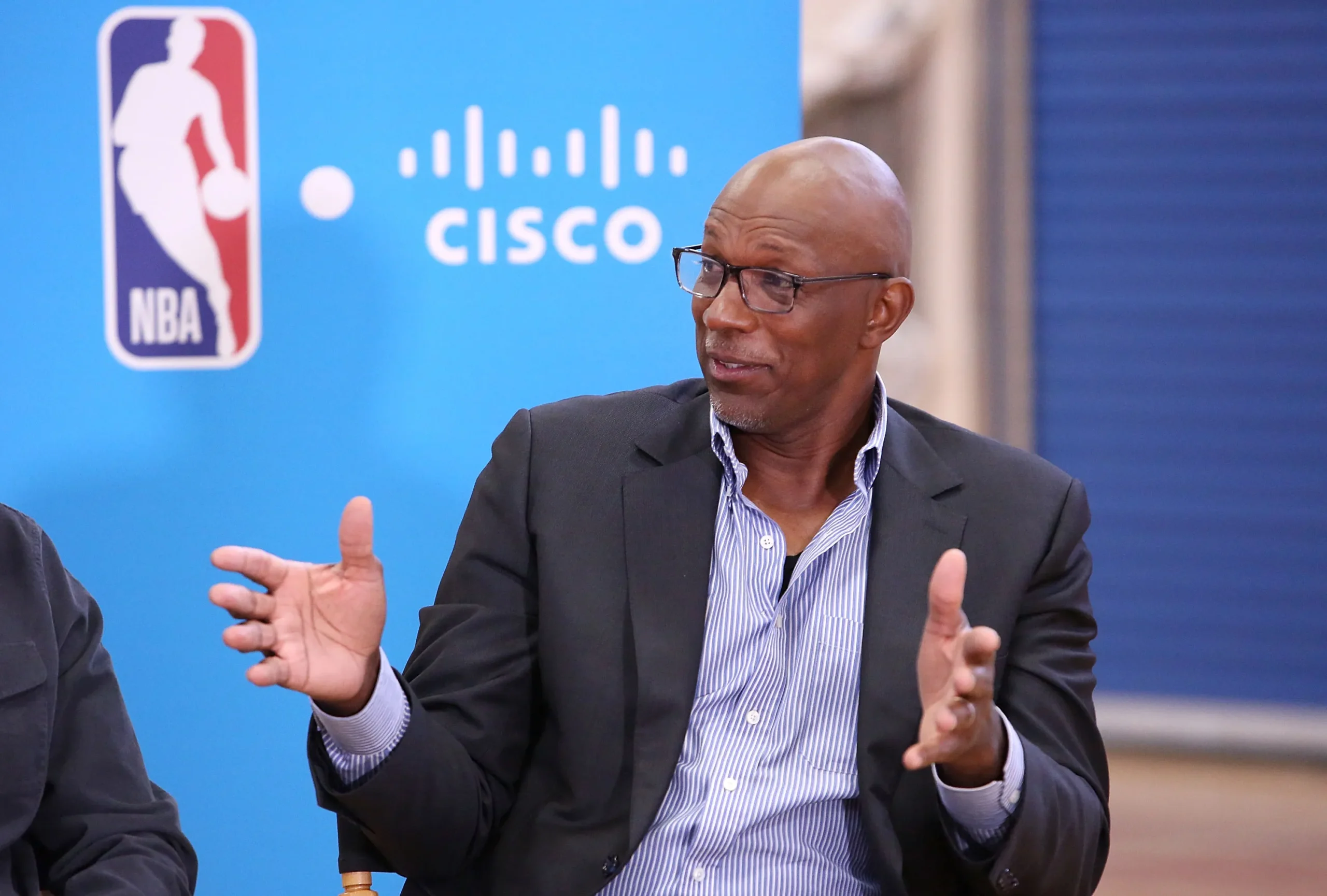
- Teams: Portland Trail Blazers, Houston Rockets
- Accolades: 1x NBA Champion, 10x All-Star, 5x All-NBA Selection
- Impact: “The Glide” utilized transition speed and high-flying finishing to carry Portland to two NBA Finals appearances before joining Houston to claim the 1995 championship alongside Hakeem Olajuwon.
34. Rick Barry
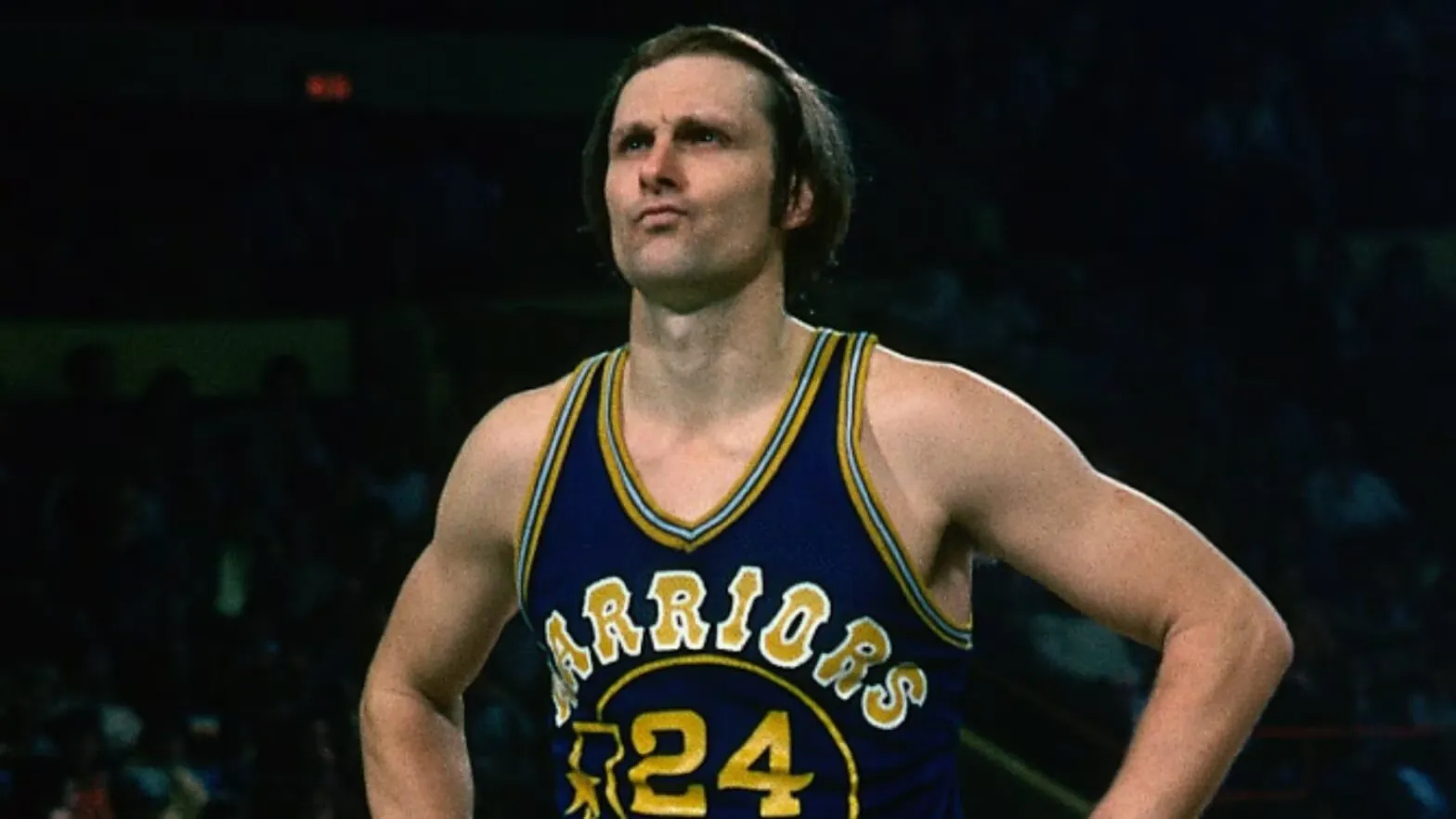
- Teams: San Francisco/Golden State Warriors, Houston Rockets
- Accolades: 1x NBA Champion, 1x Finals MVP, 6x All-NBA Selection, 8x NBA All-Star, 1x Scoring Champion
- Impact: Barry guided Golden State to an unexpected sweep in the 1975 NBA Finals, combining perimeter scoring, creative passing, and flawless underhand free-throw execution.
35. James Harden
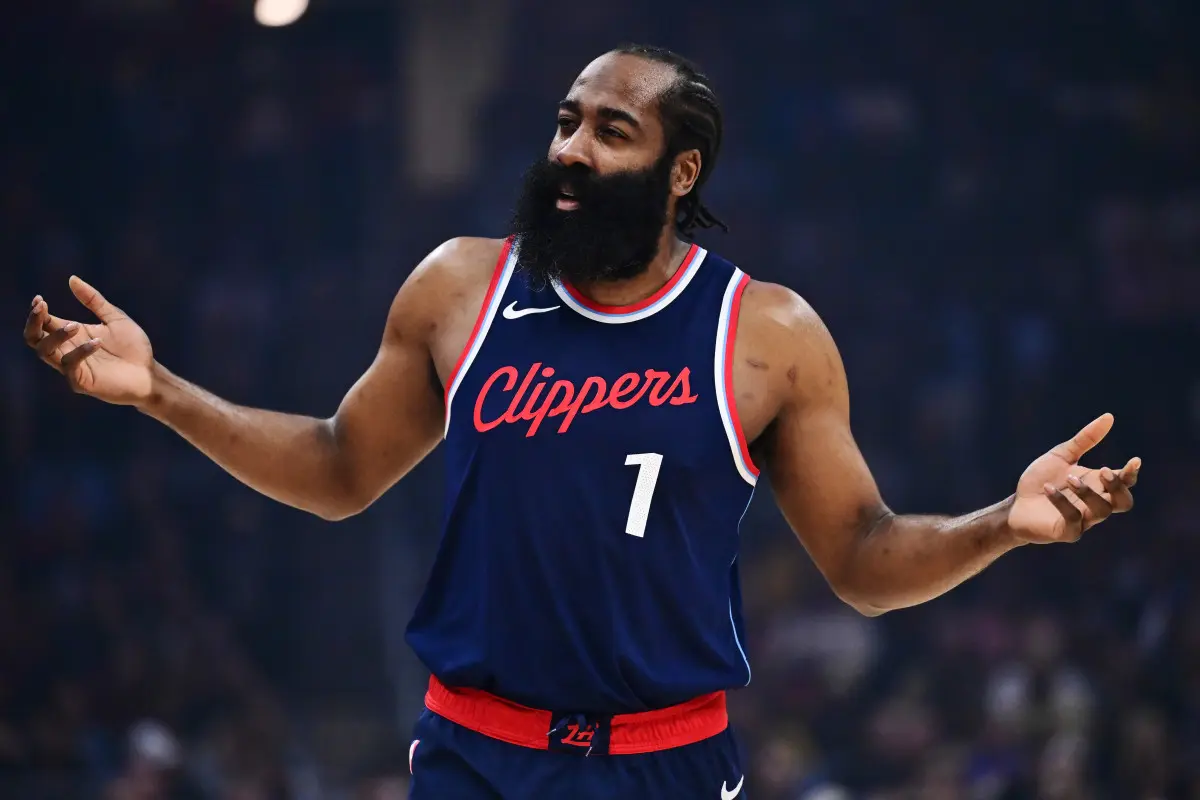
- Teams: Oklahoma City Thunder, Houston Rockets, Brooklyn Nets, Philadelphia 76ers, Los Angeles Clippers, Cleveland Cavaliers
- Accolades: 1x Regular Season MVP, 11x All-Star, 8x All-NBA Selection, 3x Scoring Champion
- Impact: Harden engineered modern isolation basketball through his step-back three-pointer and foul-drawing ability, capturing three scoring titles and an MVP while orchestrating historically efficient offenses in Houston before continuing his playmaking career in Los Angeles and Cleveland.
36. Steve Nash
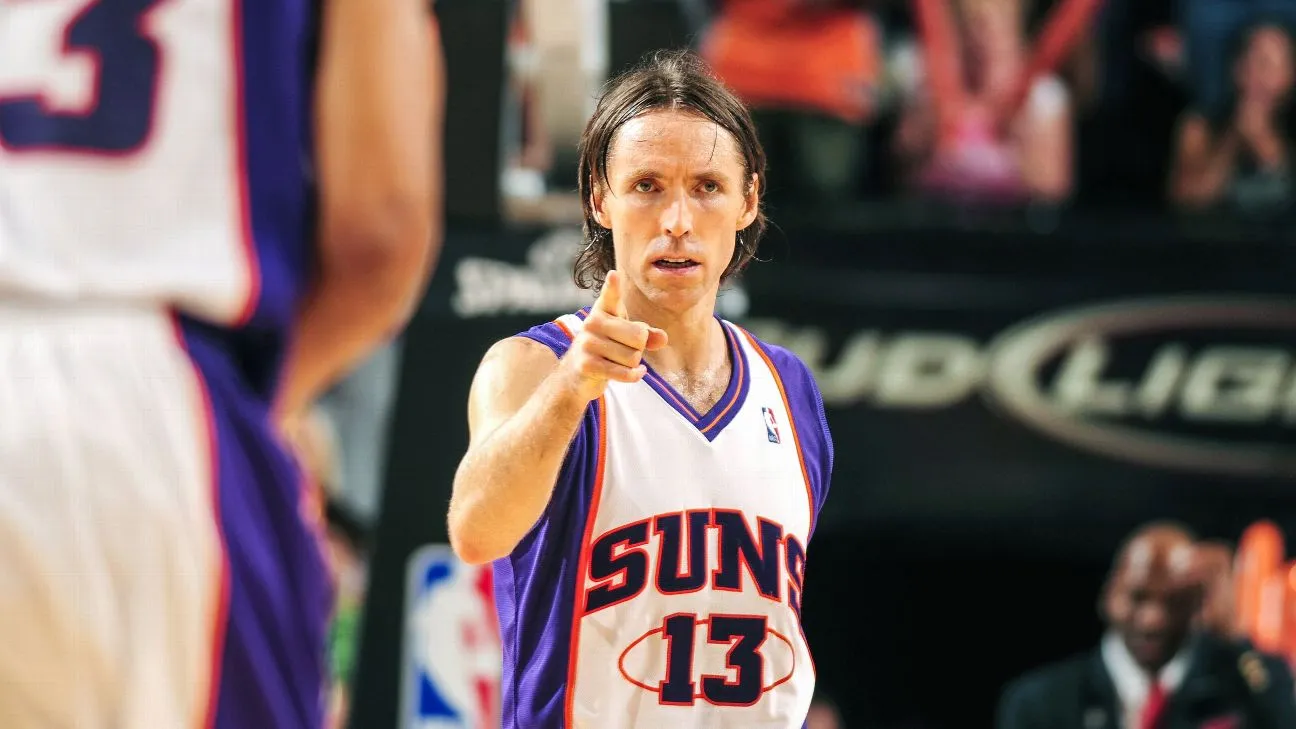
- Teams: Phoenix Suns, Dallas Mavericks, Los Angeles Lakers
- Accolades: 2x Regular Season MVP, 8x All-Star, 7x All-NBA Selection, 4x 50-40-90 Club Member
- Impact: Nash conducted Phoenix’s high-tempo “Seven Seconds or Less” offense, pairing elite court vision with 50-40-90 shooting efficiency to win consecutive regular-season MVP awards in 2005 and 2006.
37. Jason Kidd
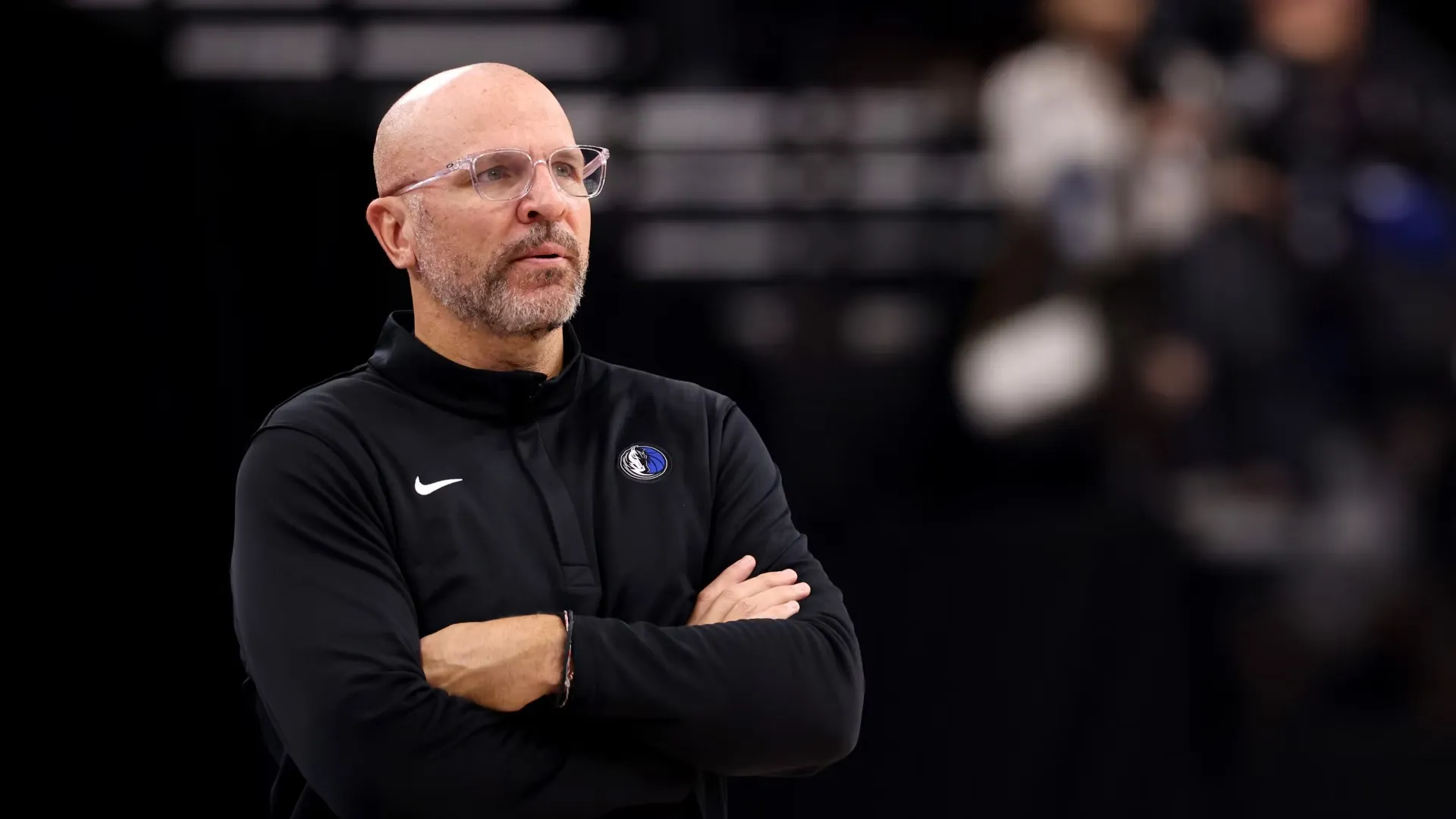
- Teams: Dallas Mavericks, Phoenix Suns, New Jersey Nets, New York Knicks
- Accolades: 1x NBA Champion, 10x All-Star, 6x All-NBA Selection, 9x All-Defensive Selection
- Impact: A triple-double engine with elite defensive anticipation, Kidd elevated New Jersey to back-to-back Finals appearances in the early 2000s before providing veteran playmaking to help Dallas win the 2011 championship.
38. Bob Cousy
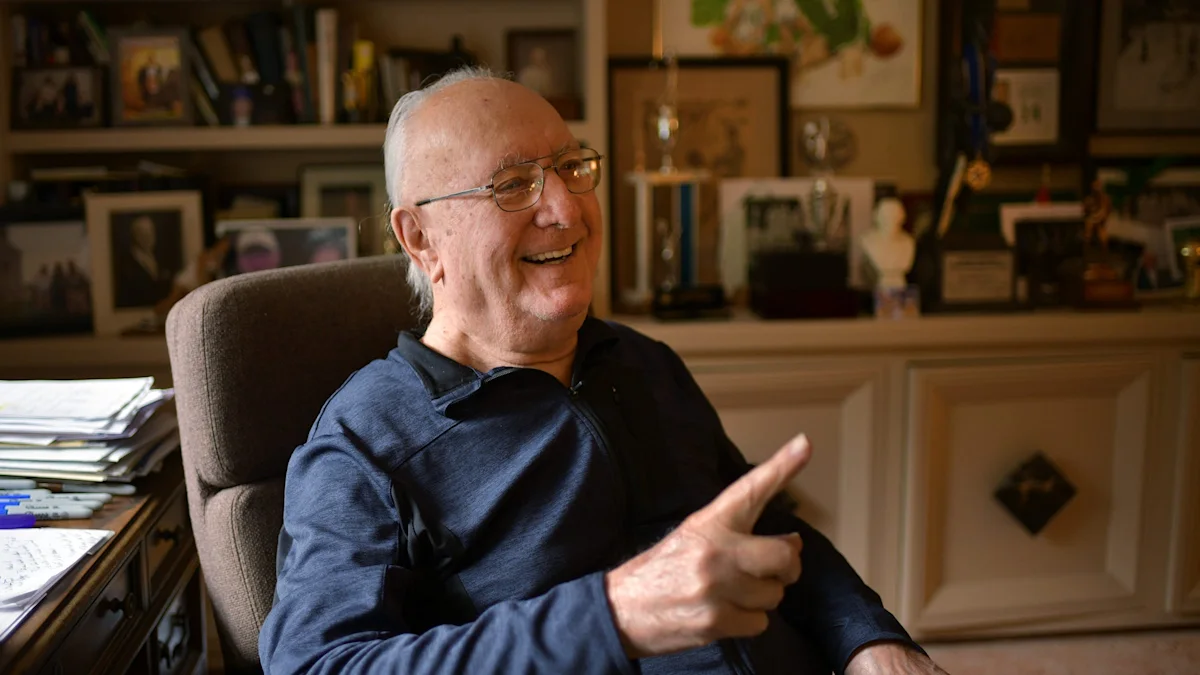
- Teams: Boston Celtics, Cincinnati Royals
- Accolades: 6x NBA Champion, 1x Regular Season MVP, 12x All-NBA Selection, 13x All-Star
- Impact: “The Houdini of the Hardwood” introduced behind-the-back dribbling and fast-break passing to early professional basketball, orchestrating the backcourt for six Boston Celtics championship teams.
39. Allen Iverson
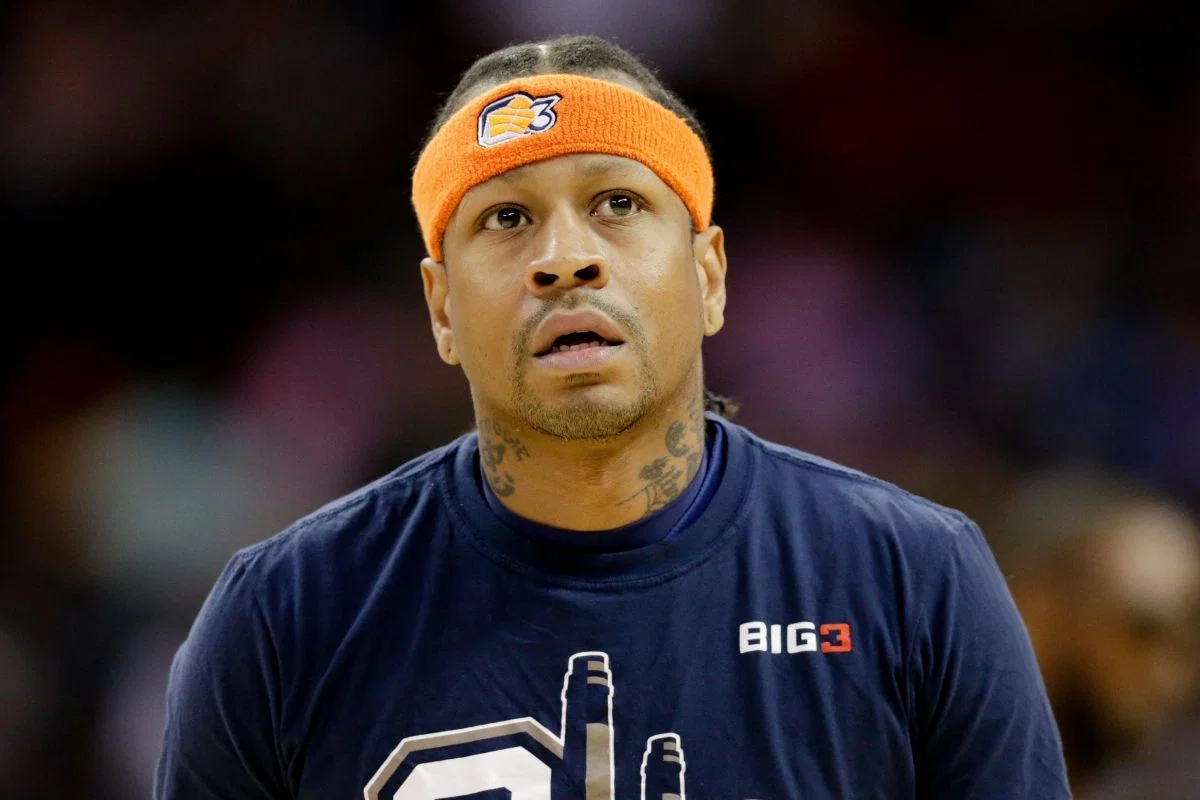
- Teams: Philadelphia 76ers, Denver Nuggets, Detroit Pistons, Memphis Grizzlies
- Accolades: 1x Regular Season MVP, 11x All-Star, 7x All-NBA Selection, 4x Scoring Champion
- Impact: “The Answer” played with relentless competitive fire, utilizing his iconic crossover dribble to capture four scoring titles and lead Philadelphia to the 2001 NBA Finals, leaving a lasting imprint on global basketball culture.
40. George Gervin
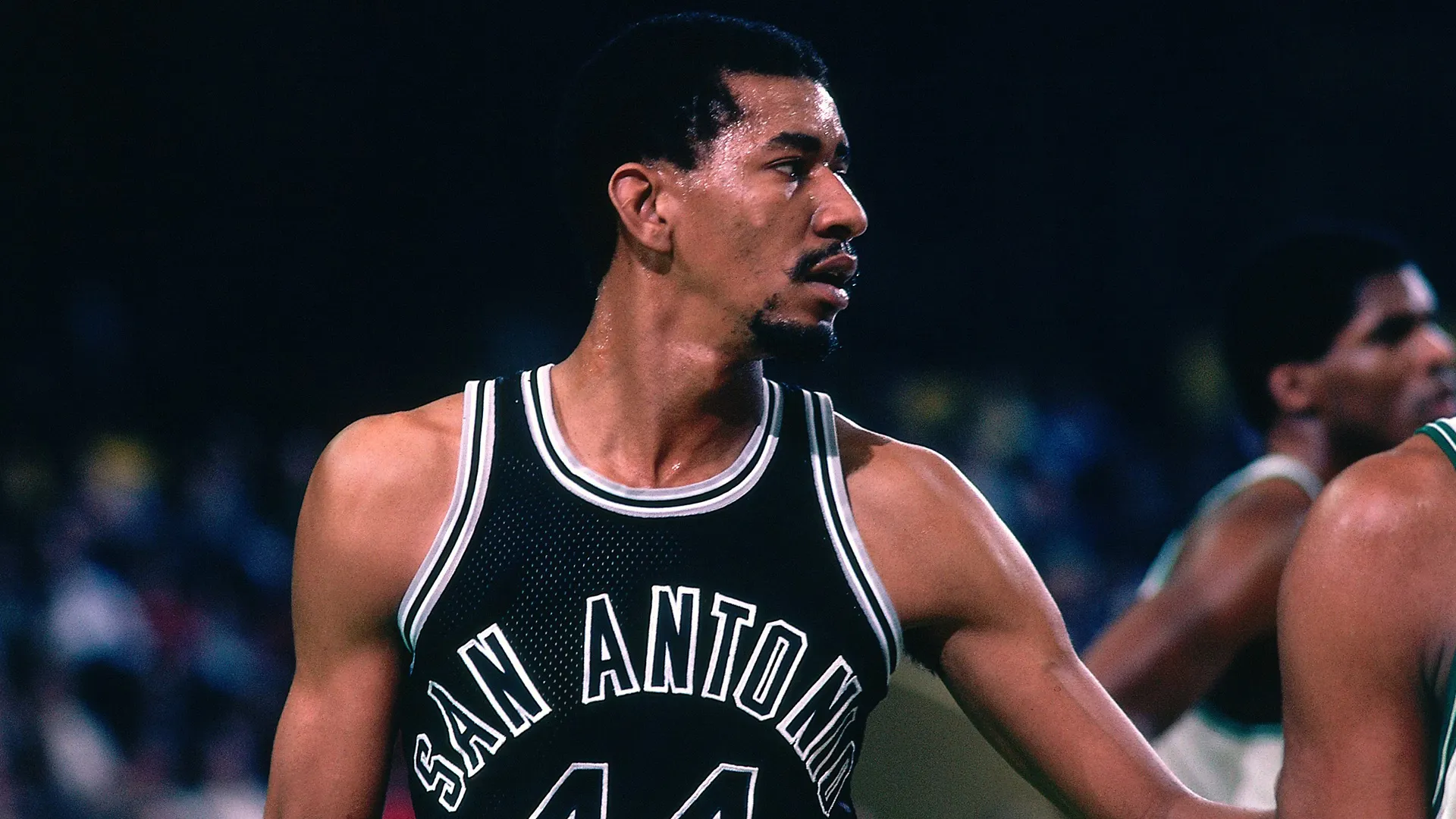
- Teams: San Antonio Spurs, Chicago Bulls
- Accolades: 9x NBA All-Star, 7x All-NBA Selection, 4x Scoring Champion
- Impact: “The Iceman” made scoring look effortless, mastering the finger roll on his way to four scoring crowns while helping the San Antonio Spurs establish themselves as an NBA power.
41. Dominique Wilkins
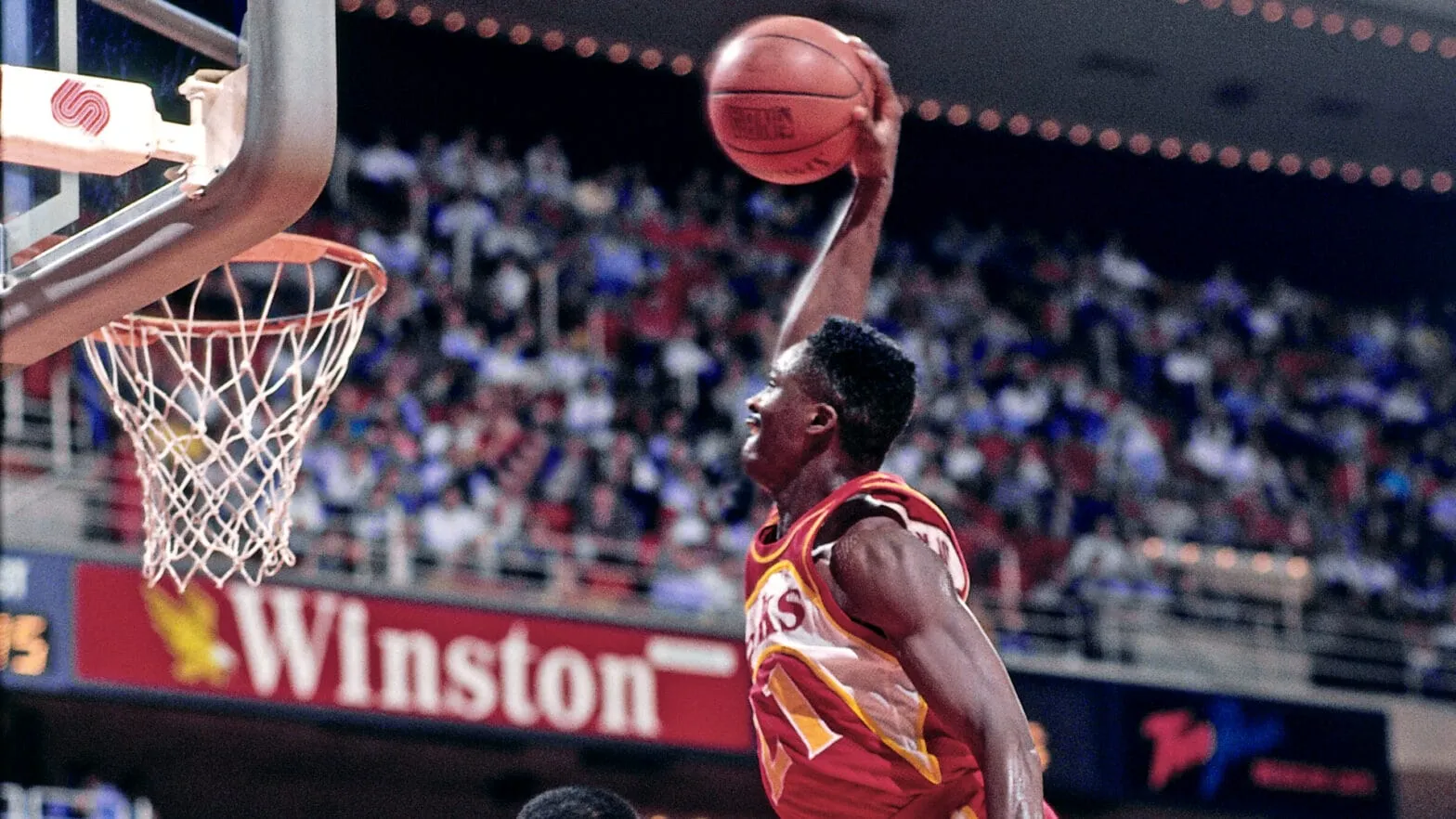
- Teams: Atlanta Hawks, Los Angeles Clippers, Boston Celtics, San Antonio Spurs
- Accolades: 9x All-Star, 7x All-NBA Selection, 1986 Scoring Champion
- Impact: “The Human Highlight Film” delivered explosive finishes and high-volume scoring, regularly challenging the league’s top defenses throughout the 1980s while staging iconic playoff duels against Larry Bird.
42. Paul Pierce
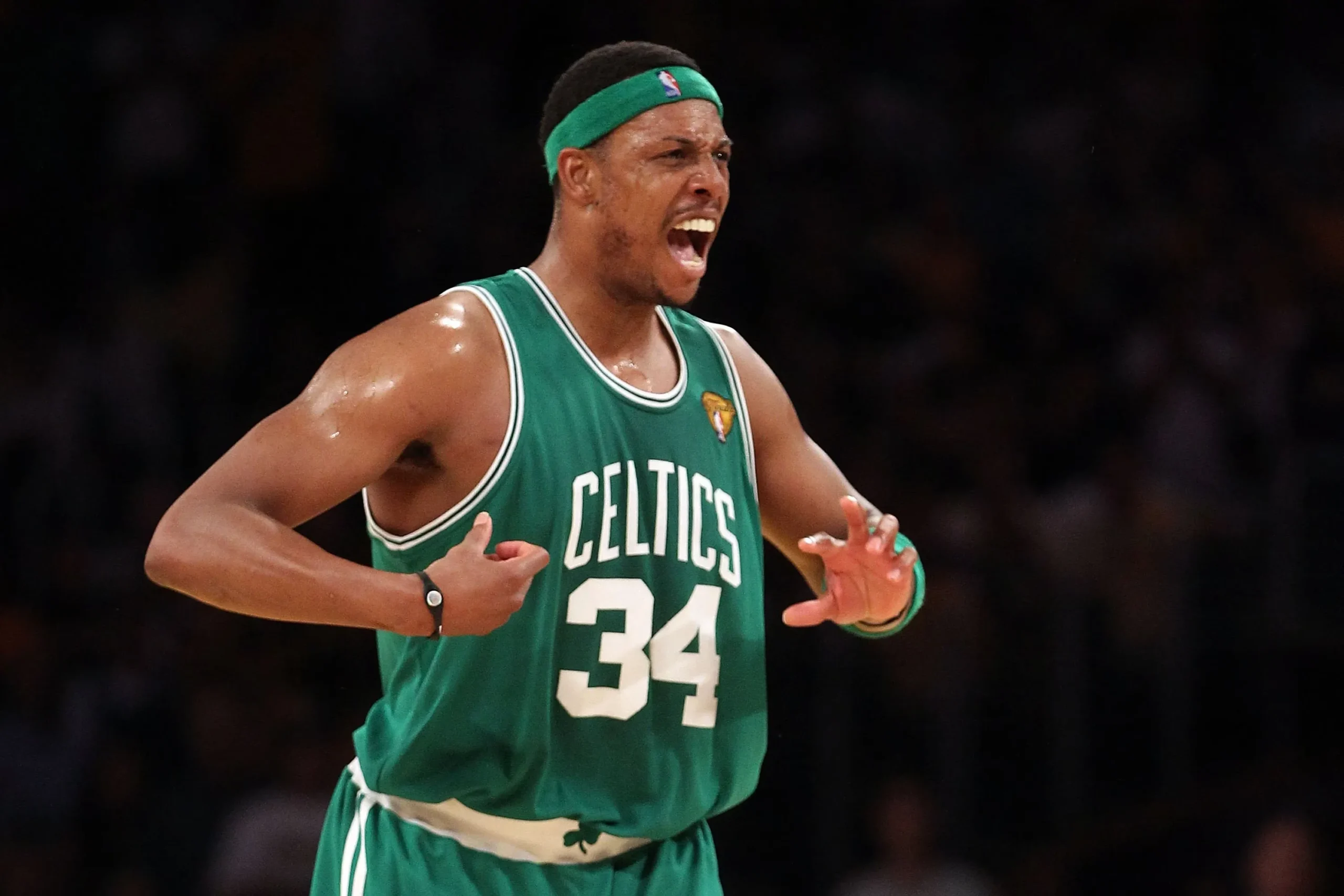
- Teams: Boston Celtics, Brooklyn Nets, Washington Wizards, Los Angeles Clippers
- Accolades: 1x NBA Champion, 1x Finals MVP, 10x All-Star, 4x All-NBA Selection
- Impact: “The Truth” was a patient isolation scorer who used footwork and strength to create mid-range offense, earning Finals MVP honors during Boston’s 2008 championship run over the Lakers.
43. Ray Allen
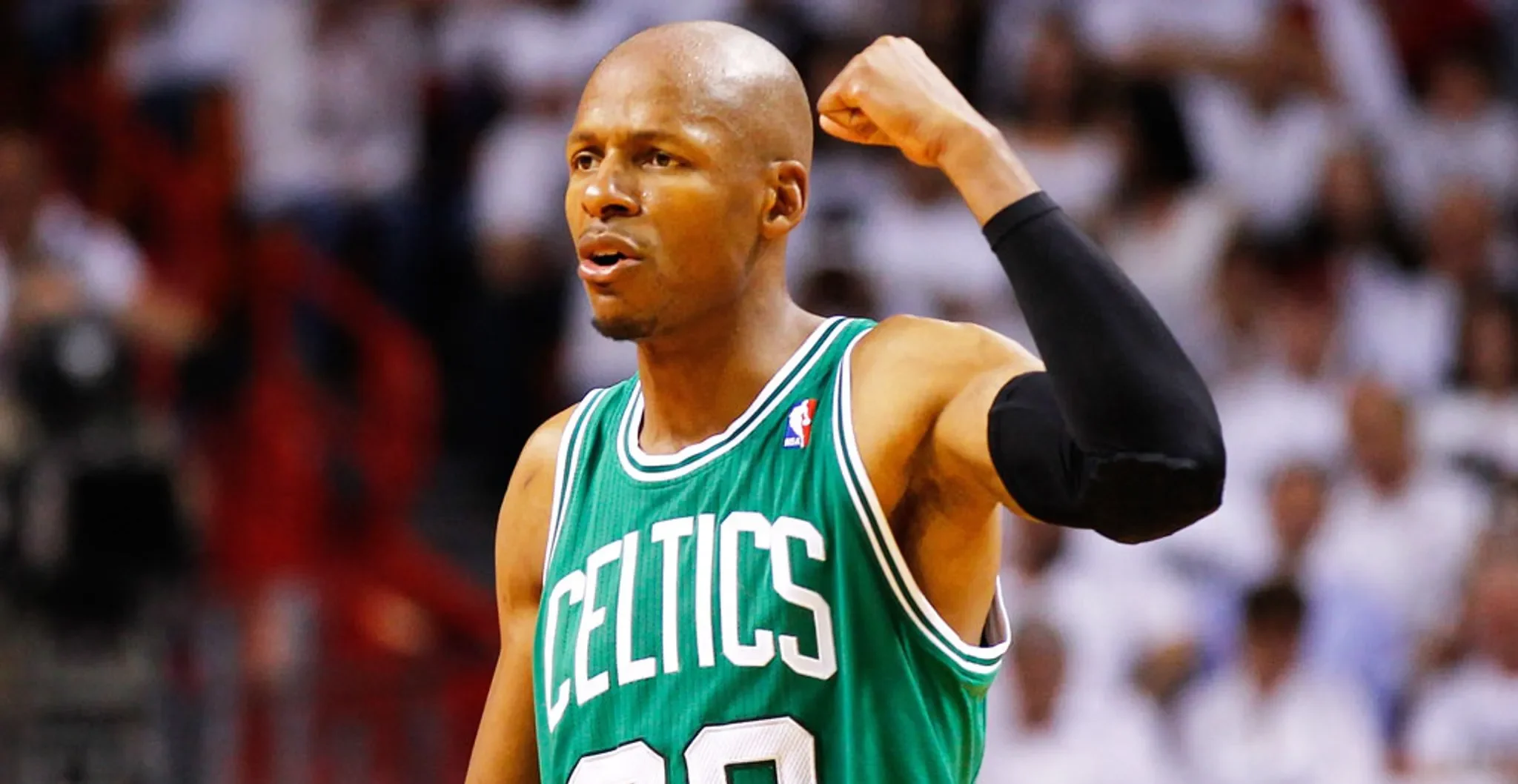
- Teams: Milwaukee Bucks, Seattle SuperSonics, Boston Celtics, Miami Heat
- Accolades: 2x NBA Champion, 10x All-Star, 2x All-NBA Selection
- Impact: Allen set an early benchmark for perimeter shooting through off-ball movement and textbook form, capturing rings in Boston and Miami, with the latter highlighted by his corner three in Game 6 of the 2013 Finals.
44. Pau Gasol
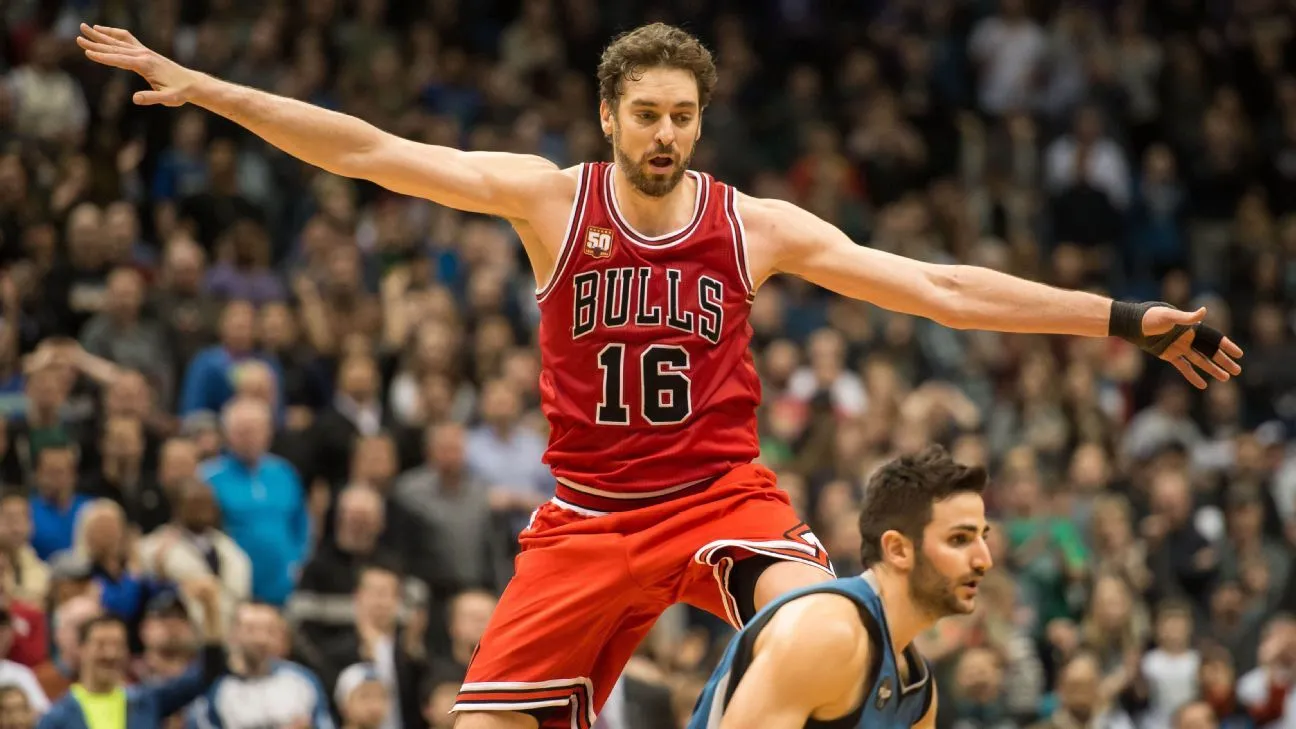
- Teams: Memphis Grizzlies, Los Angeles Lakers, Chicago Bulls, San Antonio Spurs, Milwaukee Bucks
- Accolades: 2x NBA Champion, 6x All-Star, 4x All-NBA Selection
- Impact: Gasol provided high-post passing, interior scoring touch, and rim protection, serving as the frontline partner alongside Kobe Bryant during the Lakers’ consecutive title runs in 2009 and 2010.
45. Chris Paul

- Teams: New Orleans Hornets, Los Angeles Clippers, Houston Rockets, Oklahoma City Thunder, Phoenix Suns, Golden State Warriors
- Accolades: 12x All-Star, 11x All-NBA Selection, 9x All-Defensive Selection, 2013 All-Star Game MVP
- Impact: “The Point God” mastered half-court tempo control, pick-and-roll execution, and mid-range efficiency, leading the league in assists five times and steals six times while improving every franchise he joined.
46. Russell Westbrook
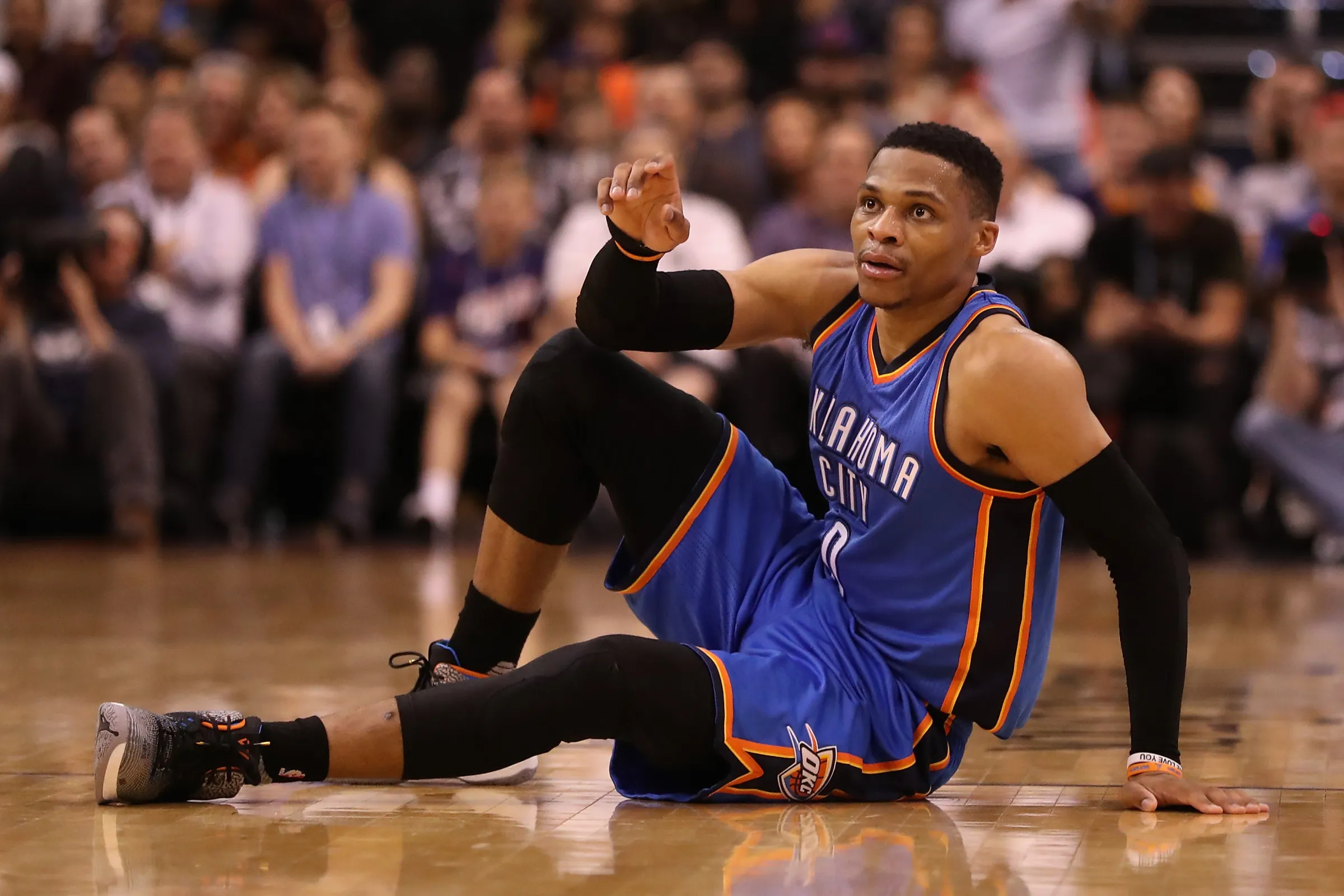
- Teams: Oklahoma City Thunder, Houston Rockets, Washington Wizards, Los Angeles Lakers, Los Angeles Clippers, Denver Nuggets
- Accolades: 1x Regular Season MVP, 9x All-Star, 9x All-NBA Selection, 2x Scoring Champion
- Impact: Westbrook made modern statistical history by averaging a triple-double over four full regular seasons (2016-17, 2017-18, 2018-19, 2020-21), winning the 2017 MVP award with downhill speed and relentless competitive motor.
47. Reggie Miller
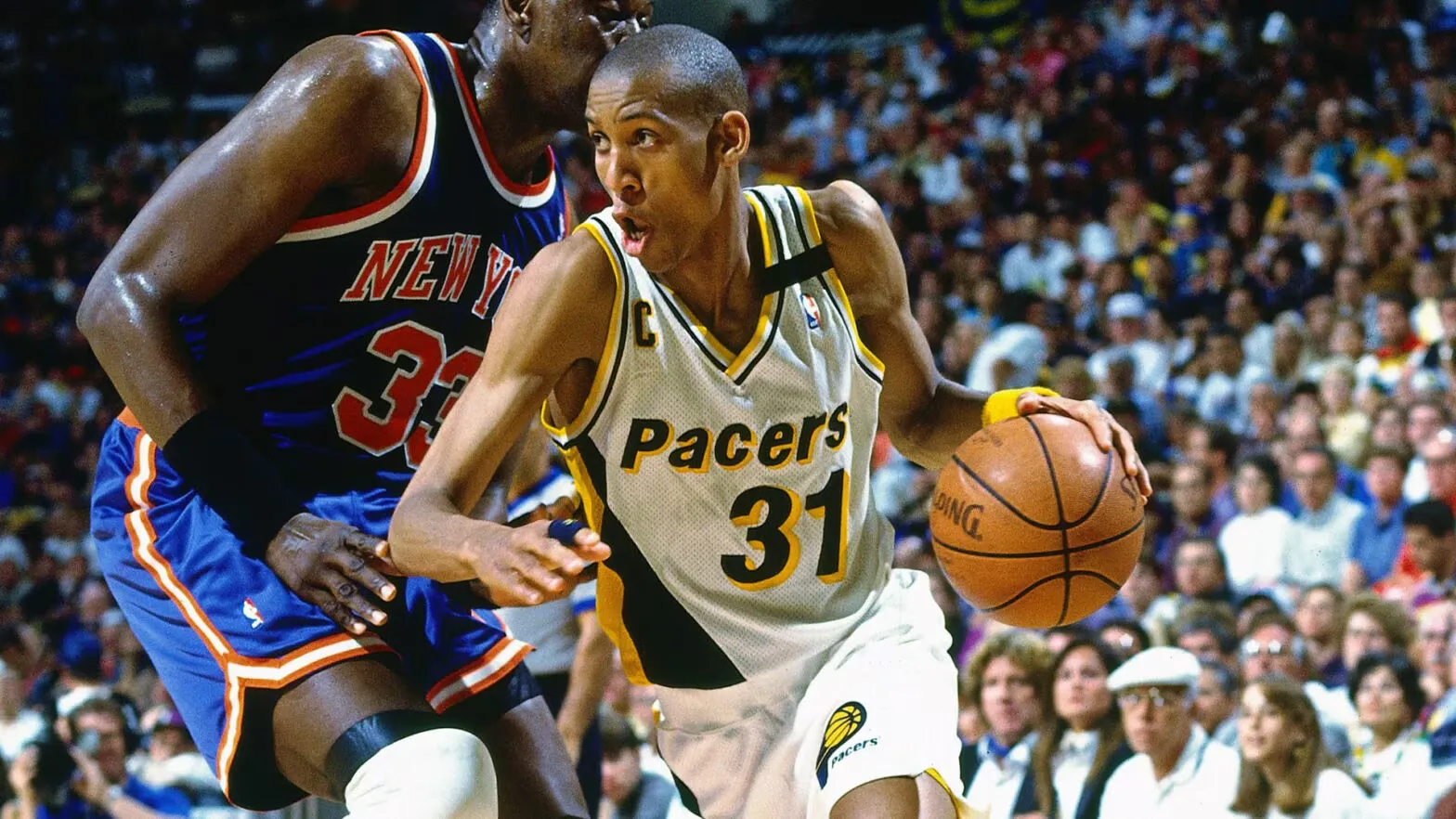
- Teams: Indiana Pacers
- Accolades: 5x All-Star, 3x All-NBA Third Team, 50-40-90 Club Member (1993-94)
- Impact: Miller established the model for modern off-ball shooting, running through screens and hitting clutch perimeter shots to make Indiana a perennial contender throughout the 1990s, including his 50-40-90 campaign in 1993-94.
48. Robert Parish
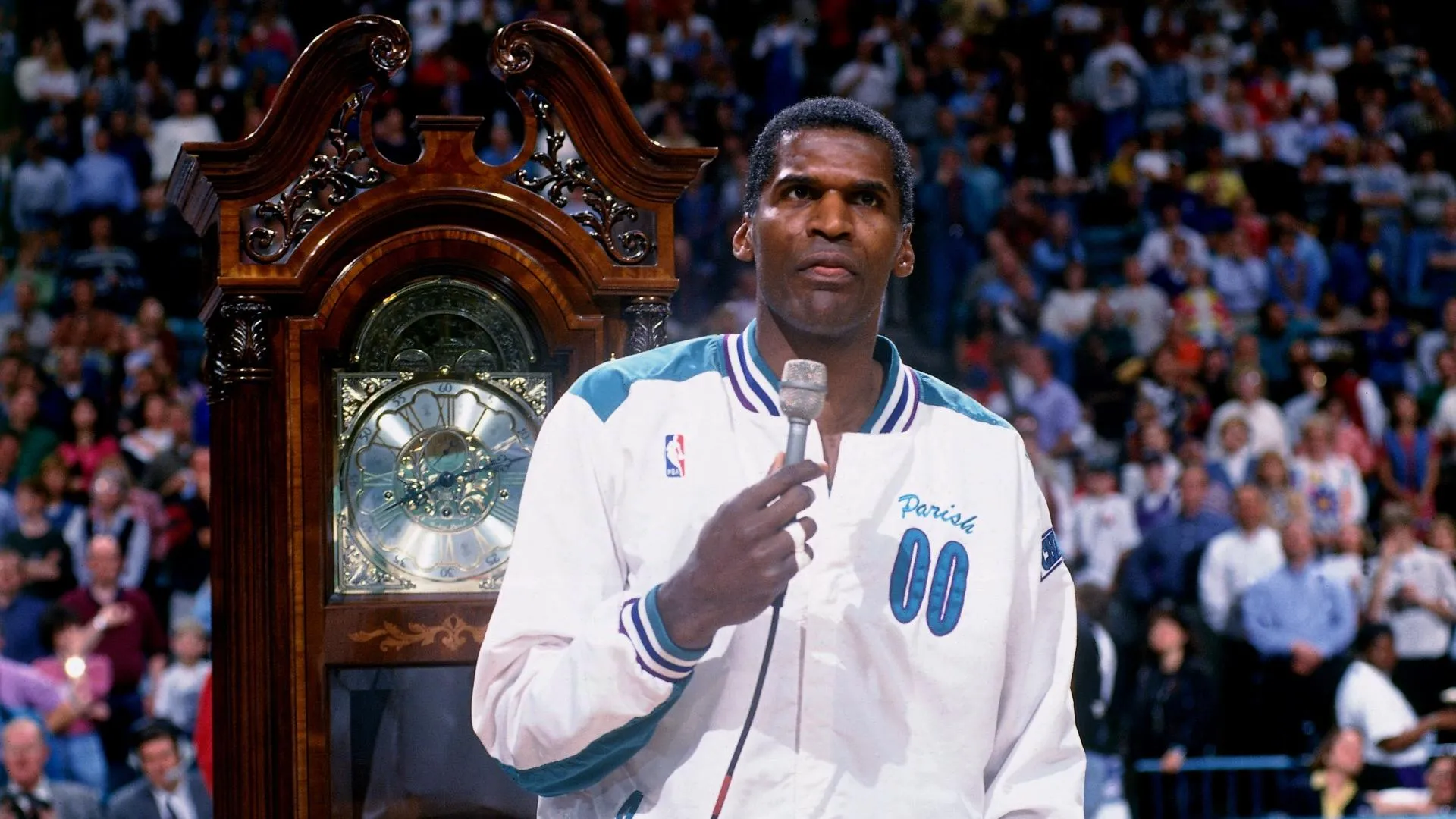
- Teams: Golden State Warriors, Boston Celtics, Charlotte Hornets, Chicago Bulls
- Accolades: 4x NBA Champion, 9x All-Star, 2x All-NBA Selection
- Impact: “The Chief” anchored Boston’s frontline defense and provided dependable mid-range shooting across an exceptional 21-season career. Parish appeared in 1,611 regular-season games, establishing a durability standard that stood as the all-time league record for decades until surpassed by LeBron James.
49. Dennis Rodman
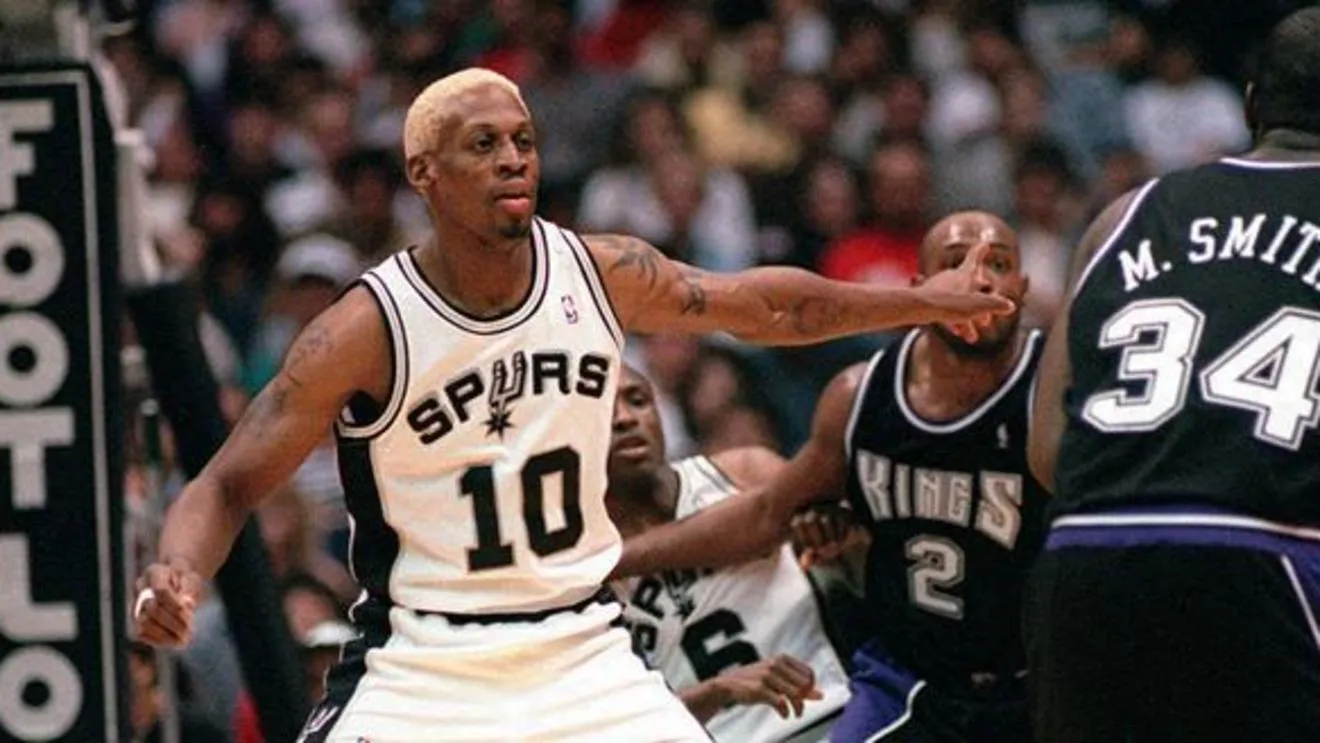
- Teams: Detroit Pistons, San Antonio Spurs, Chicago Bulls, Los Angeles Lakers, Dallas Mavericks
- Accolades: 5x NBA Champion, 2x Defensive Player of the Year, 8x All-Defensive Selection, 7x Rebound Champion
- Impact: Rodman influenced games without offensive touches, dominating the glass for seven consecutive rebounding titles and locking down opposing stars to capture rings in Detroit and Chicago.
50. Tony Parker
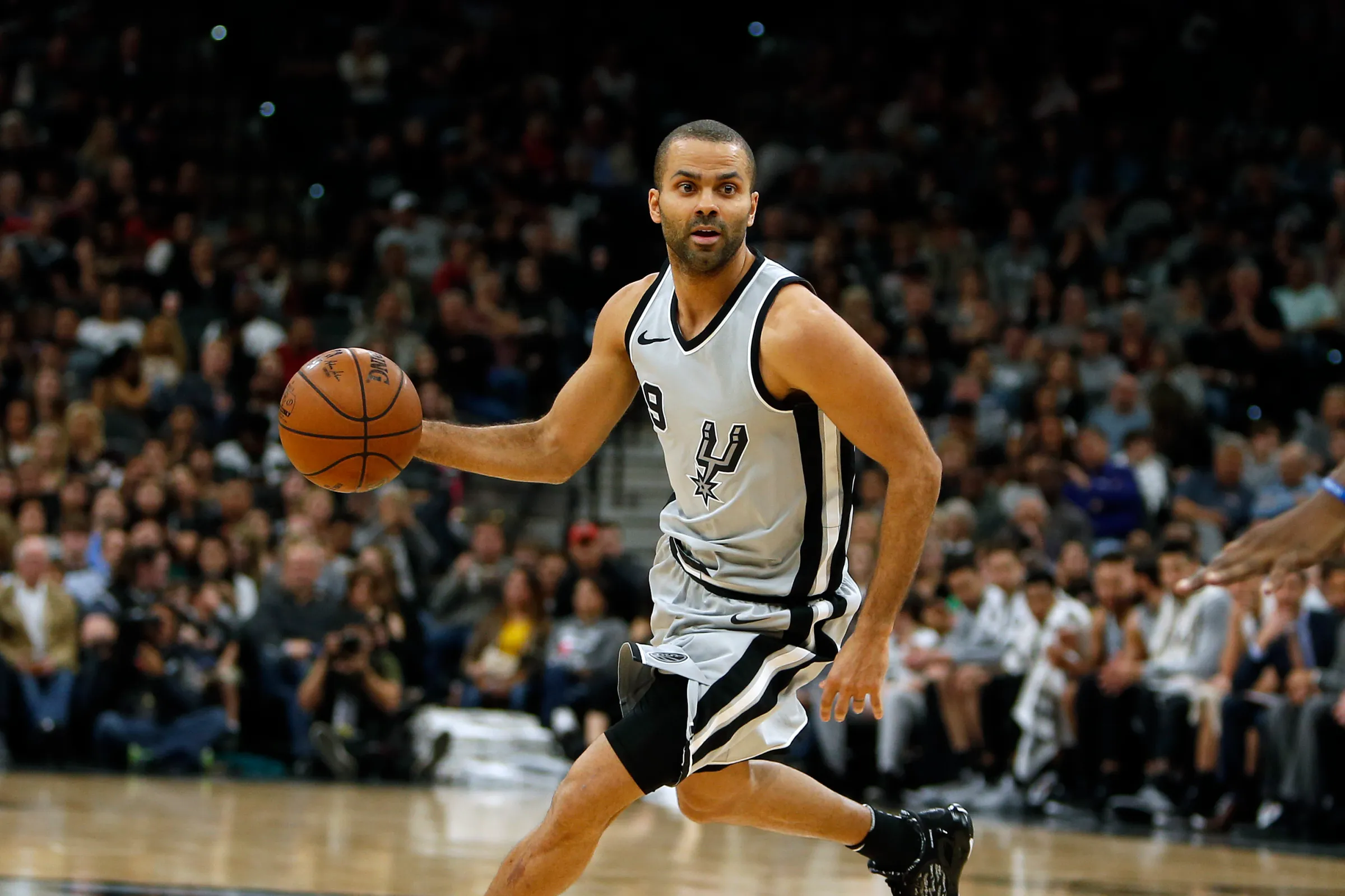
- Teams: San Antonio Spurs, Charlotte Hornets
- Accolades: 4x NBA Champion, 1x Finals MVP, 6x All-Star, 4x All-NBA Selection
- Impact: Parker utilized teardrop floaters, spin moves, and pick-and-roll pace to direct San Antonio’s motion offense, claiming Finals MVP honors in 2007.
51. Manu Ginobili
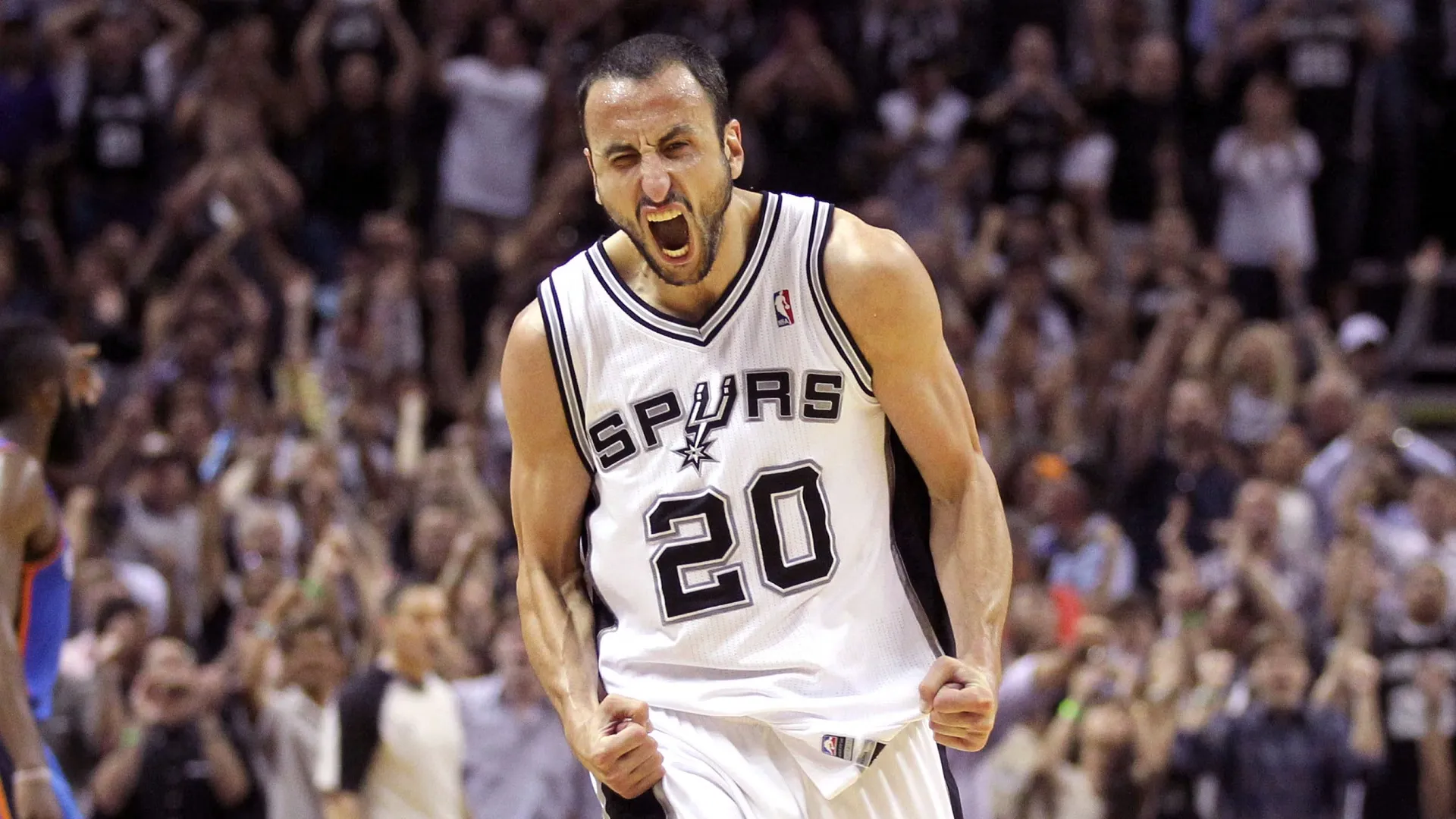
- Teams: San Antonio Spurs
- Accolades: 4x NBA Champion, 2x All-Star, 2008 Sixth Man of the Year, 2x All-NBA Third Team
- Impact: Ginobili popularized the Eurostep, providing creative playmaking, clutch shooting, and perimeter defense off the bench to help San Antonio secure four titles.
52. Dwight Howard
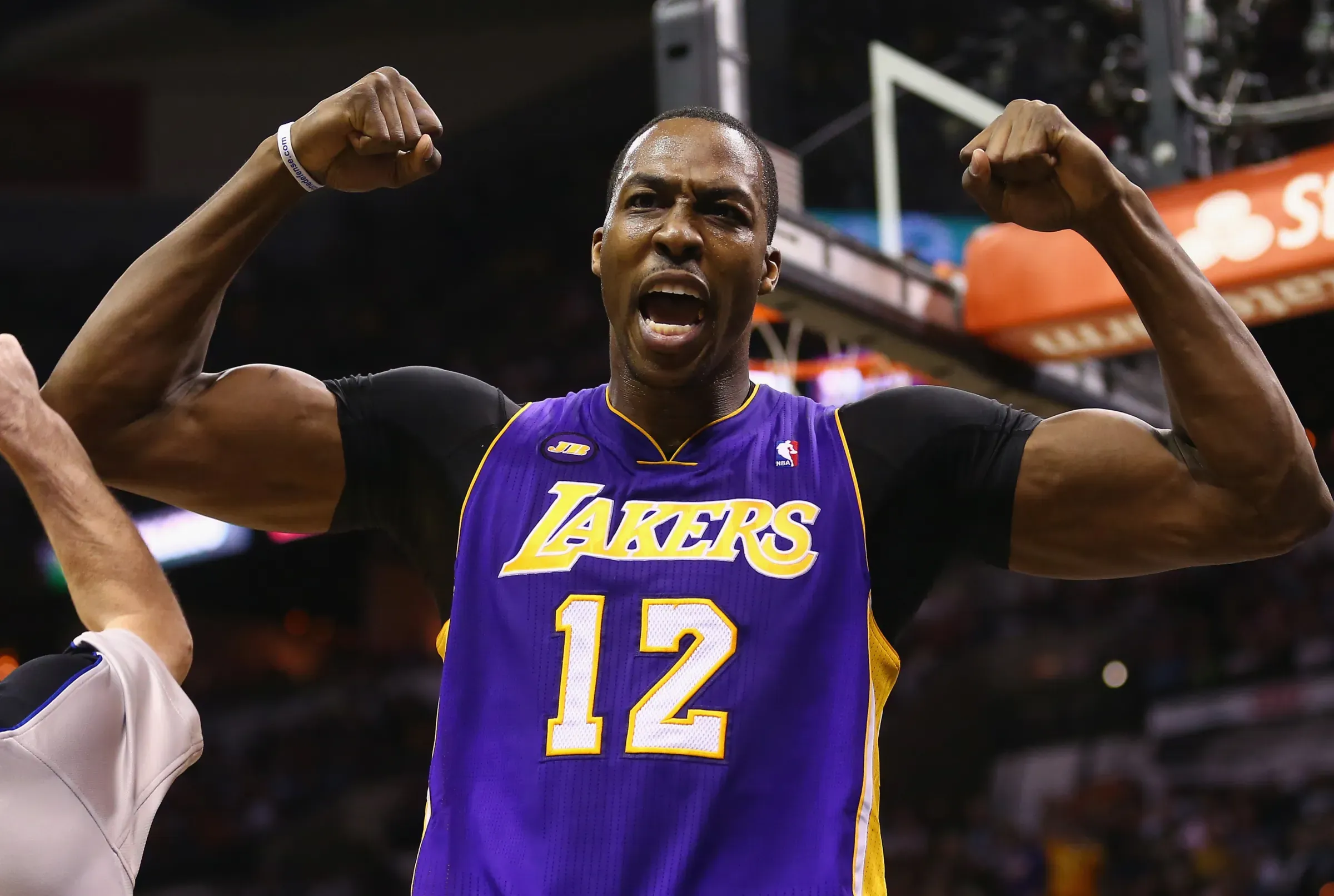
- Teams: Orlando Magic, Los Angeles Lakers, Houston Rockets, Atlanta Hawks, Charlotte Hornets, Washington Wizards
- Accolades: 1x NBA Champion, 3x Defensive Player of the Year, 8x All-NBA Selection, 5x All-Defensive Selection
- Impact: Howard dominated the paint through athletic shot-blocking and rebounding, winning three consecutive Defensive Player of the Year awards (2009-2011) and leading Orlando to the 2009 Finals before winning a ring with the 2020 Lakers.
53. Dikembe Mutombo
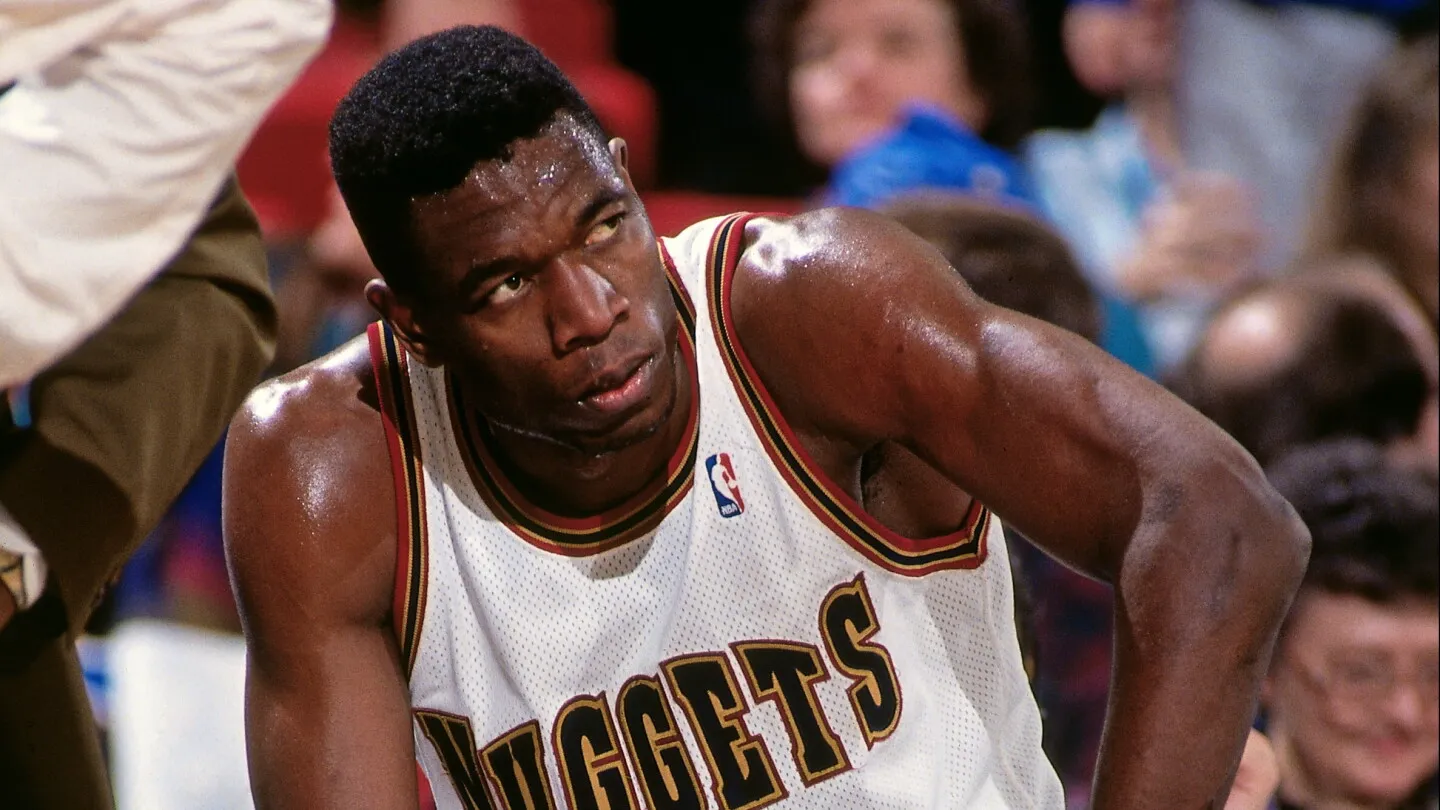
- Teams: Denver Nuggets, Atlanta Hawks, Philadelphia 76ers, New Jersey Nets, New York Knicks, Houston Rockets
- Accolades: 4x Defensive Player of the Year, 8x All-Star, 6x All-Defensive Selection, 3x All-NBA Selection
- Impact: Mutombo’s signature finger wag symbolized his rim deterrence, compiling 3,289 career blocks (second all-time) and anchoring defenses for multiple Finals teams.
54. Chris Bosh
- Teams: Toronto Raptors, Miami Heat
- Accolades: 2x NBA Champion, 11x All-Star, 1x All-NBA Second Team
- Impact: Bosh transitioned from Toronto’s primary post option into a mobile perimeter-spacing forward and defensive anchor, unlocking the small-ball lineups that powered Miami’s two championships.
55. Dave Cowens
- Teams: Boston Celtics, Milwaukee Bucks
- Accolades: 2x NBA Champion, 1x Regular Season MVP, 8x All-Star, 3x All-Defensive Selection
- Impact: Cowens played with relentless effort, diving for loose balls and scoring from the perimeter to lead Boston to championships in 1974 and 1976.
56. Tracy McGrady
- Teams: Toronto Raptors, Orlando Magic, Houston Rockets, New York Knicks, Detroit Pistons, Atlanta Hawks, San Antonio Spurs
- Accolades: 2x Scoring Champion, 7x All-Star, 7x All-NBA Selection, 2001 Most Improved Player
- Impact: McGrady displayed fluid isolation scoring at his peak, pulling up over perimeter defenders with ease and highlighting his career with 13 points in 33 seconds.
57. Walt Frazier
- Teams: New York Knicks, Cleveland Cavaliers
- Accolades: 2x NBA Champion, 7x All-Star, 6x All-NBA Selection, 7x All-Defensive First Team
- Impact: “Clyde” blended calm ball control with perimeter defense, recording 36 points and 19 assists in Game 7 of the 1970 Finals to secure New York’s first championship.
58. Willis Reed
- Teams: New York Knicks
- Accolades: 2x NBA Champion, 1x Regular Season MVP, 2x Finals MVP, 7x All-Star, 5x All-NBA Selection
- Impact: Reed provided emotional leadership and interior toughness, inspiring New York by walking onto the floor injured in Game 7 of the 1970 Finals to key the franchise’s title.
59. Pete Maravich
- Teams: Atlanta Hawks, New Orleans/Utah Jazz, Boston Celtics
- Accolades: 1x Scoring Champion, 5x All-Star, 4x All-NBA Selection
- Impact: “Pistol Pete” showcased flashy ball-handling, creative passing, and long-range shooting that foreshadowed the modern perimeter era.
60. Alex English
- Teams: Milwaukee Bucks, Indiana Pacers, Denver Nuggets, Dallas Mavericks
- Accolades: 1x Scoring Champion, 8x All-Star, 3x All-NBA Second Team
- Impact: English scored more total points than any other player during the 1980s, utilizing a smooth mid-range game to power Denver’s high-octane offensive system.
61. Kevin McHale
- Teams: Boston Celtics
- Accolades: 3x NBA Champion, 2x Sixth Man of the Year, 7x All-Star, 6x All-Defensive Selection
- Impact: McHale featured footwork in the low post, utilizing his “torture chamber” up-and-under moves to help Boston capture three championships.
62. Bill Walton
- Teams: Portland Trail Blazers, San Diego/Los Angeles Clippers, Boston Celtics
- Accolades: 2x NBA Champion, 1x Regular Season MVP, 1x Finals MVP, 1986 Sixth Man of the Year
- Impact: Walton showcased high-post passing and rim protection, leading Portland to the 1977 title before providing championship bench play for Boston in 1986.
63. Wes Unseld
- Teams: Baltimore/Capital/Washington Bullets
- Accolades: 1x NBA Champion, 1x Regular Season MVP, 1x Finals MVP, 5x All-Star
- Impact: Unseld won Rookie of the Year and MVP in the same season (1969), utilizing physical box-outs and two-handed outlet passes to spark fast breaks for Washington’s 1978 championship team.
64. Bob McAdoo
- Teams: Buffalo Braves, New York Knicks, Boston Celtics, Detroit Pistons, Los Angeles Lakers, Philadelphia 76ers
- Accolades: 2x NBA Champion, 1x Regular Season MVP, 3x Scoring Champion, 2x All-NBA Selection
- Impact: McAdoo served as an early prototype of the scoring big man, combining perimeter touch with scoring volume in Buffalo before contributing to two Lakers titles.
65. Nate Thurmond
- Teams: San Francisco/Golden State Warriors, Chicago Bulls, Cleveland Cavaliers
- Accolades: 7x All-Star, 5x All-Defensive Selection, First Official Quadruple-Double
- Impact: Thurmond was a physical defensive center who defended Chamberlain and Abdul-Jabbar while dominating the glass and recording the league’s first official quadruple-double.
66. Jerry Lucas
- Teams: Cincinnati Royals, San Francisco Warriors, New York Knicks
- Accolades: 1x NBA Champion, 7x All-Star, 5x All-NBA Selection
- Impact: Lucas paired perimeter shooting touch with rebounding positioning, helping New York win the 1973 championship.
67. Bob Lanier
- Teams: Detroit Pistons, Milwaukee Bucks
- Accolades: 8x All-Star, 1974 All-Star Game MVP
- Impact: Lanier utilized size and a left-handed hook shot to produce steady interior scoring and rebounding for Detroit and Milwaukee throughout the 1970s.
68. James Worthy
- Teams: Los Angeles Lakers
- Accolades: 3x NBA Champion, 1x Finals MVP, 7x All-Star, 2x All-NBA Third Team
- Impact: “Big Game James” thrived in transition with the Showtime Lakers, earning Finals MVP in 1988 with a 36-point, 16-rebound, 10-assist triple-double in Game 7.
69. Vince Carter
- Teams: Toronto Raptors, New Jersey Nets, Orlando Magic, Phoenix Suns, Dallas Mavericks, Memphis Grizzlies, Sacramento Kings, Atlanta Hawks
- Accolades: 8x All-Star, 2x All-NBA Selection, 1999 Rookie of the Year
- Impact: “Vinsanity” energized a generation with his dunking ability before transitioning his game into reliable perimeter shooting across 22 NBA seasons.
70. Carmelo Anthony
- Teams: Denver Nuggets, New York Knicks, Oklahoma City Thunder, Houston Rockets, Portland Trail Blazers, Los Angeles Lakers
- Accolades: 10x All-Star, 6x All-NBA Selection, 2013 Scoring Champion
- Impact: Anthony was a pure triple-threat scorer, utilizing post-ups, mid-range pull-ups, and three-point shooting to accumulate over 28,000 career points.
71. Anthony Davis
- Teams: New Orleans Pelicans, Los Angeles Lakers, Washington Wizards
- Accolades: 1x NBA Champion, 10x All-Star, 5x All-NBA Selection, 5x All-Defensive Selection
- Impact: Davis combines perimeter switching with elite rim protection and interior finishing, anchoring the Lakers frontcourt during their 2020 championship run before extending his career as a defensive cornerstone in Washington.
72. Kyrie Irving
- Teams: Cleveland Cavaliers, Boston Celtics, Brooklyn Nets, Dallas Mavericks
- Accolades: 1x NBA Champion, 9x All-Star, 3x All-NBA Selection
- Impact: Possessing advanced ball-handling ability and under-the-rim finishing, Irving drained the decisive step-back three in Game 7 of the 2016 Finals to secure Cleveland’s first championship.
73. Kawhi Leonard
- Teams: San Antonio Spurs, Toronto Raptors, Los Angeles Clippers
- Accolades: 2x NBA Champion, 2x Finals MVP, 2x Defensive Player of the Year, 7x All-NBA Selection
- Impact: “The Claw” established an elite two-way standard, claiming Finals MVP with San Antonio in 2014 before leading Toronto to their 2019 title run through mid-range scoring and lockdown wing defense.
74. Dolph Schayes
- Teams: Syracuse Nationals, Philadelphia 76ers
- Accolades: 1x NBA Champion, 12x All-Star, 12x All-NBA Selection
- Impact: A founding pioneer of modern forward play, Schayes combined relentless rebounding with a two-handed set shot to lead Syracuse to the 1955 NBA championship.
75. Luka Doncic
- Teams: Dallas Mavericks, Los Angeles Lakers
- Accolades: 6x All-NBA Selection (6x First Team), 6x All-Star, 2024 Scoring Leader
- Impact: Doncic controls tempo through size, hesitation dribbles, and vision, directing offenses with historic statistical production and leading Dallas to the 2024 Finals.
FAQ
Who is ranked No. 1 among the greatest NBA players of all time?
Michael Jordan occupies the No. 1 position in this editorial ranking. His six NBA championships, six Finals MVP awards, five regular-season MVP trophies, and ten scoring titles provide the foundation for his placement. Jordan maintained an unblemished 6-0 record in the NBA Finals while operating as both an elite scorer and a lockdown perimeter defender. LeBron James remains his closest historical peer, particularly when measuring career longevity, all-around playmaking, and total postseason production.
How do championships compare against regular-season MVPs in all-time rankings?
Championship rings carry weight when paired with primary offensive and defensive roles, measured by Finals MVP honors. Regular-season MVPs measure sustained 82-game dominance, but postseason execution against elite game plans serves as the primary differentiator in top-tier evaluations.
Why is Nikola Jokic ranked in the top 25?
Nikola Jokic earned his place in the top 25 by capturing three regular-season MVP awards and leading the Denver Nuggets to the 2023 championship as Finals MVP. His offensive Box Plus-Minus metrics, postseason efficiency, and historical triple-double production place him among the most impactful centers in basketball history.
The discussion surrounding all-time basketball greatness continues to evolve as active stars add playoff achievements to their resumes. While individual totals shift across seasons, the baseline of two-way impact, championship poise, and tactical influence established by these 75 legends remains the measuring stick for greatness.