


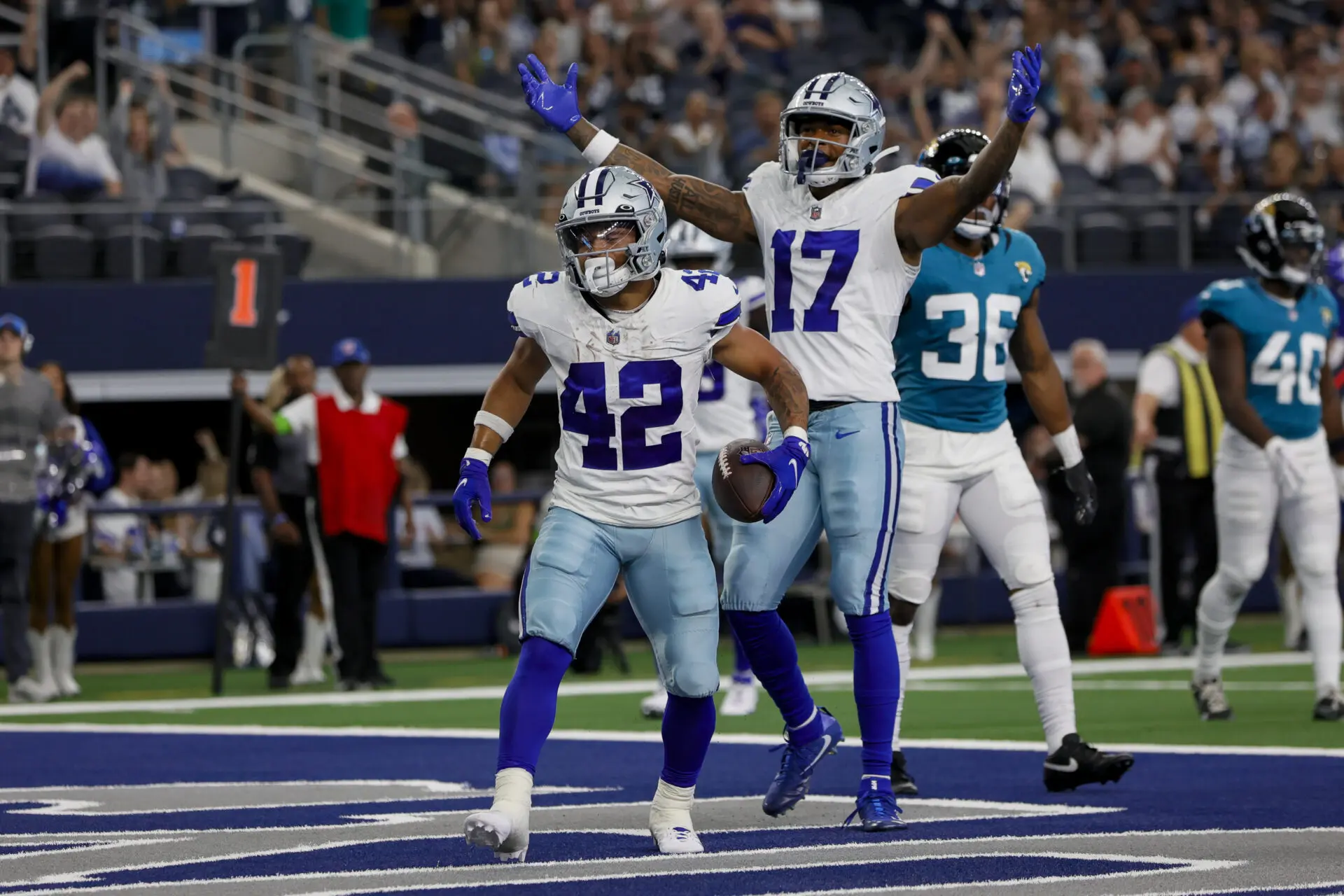
Football rewards size until it doesn’t. The shortest NFL players in history built entire careers by turning a lack of inches into an advantage nobody could account for on film. Halfback Jack Shapiro stood 5-foot-1 and forced his way onto an NFL roster in 1929, while running back Barry Sanders reached only 5-foot-8 and still became one of the greatest players in NFL history.
This ranking traces the top players among the shortest names in league history, from the earliest seasons through the 2026 campaign, breaking down the exact heights, positions, and eras that defined each name. Readers curious about the other end of the spectrum can check the oldest NFL players in history for a look at longevity instead of stature.
How We Ranked the Shortest NFL Players in History
Height claims for older players get slippery fast. Team media guides from the 1920s rounded up, rounded down, or simply guessed, so this ranking leans on Pro Football Reference’s verified measurables wherever a player was measured at the NFL Scouting Combine or by a team athletic trainer.
For pre-Combine players such as Jack Shapiro and Pard Pearce, the figures come from Pro Football Hall of Fame research and newspaper reporting compiled by football historian Mel Bashore. Since no two eras measured height the same way, every entry below gets cross-checked against at least one verified box score, roster card, or combine reading before it earns a spot among the top players on this all-time list.
The Shortest NFL Players in History, Ranked
| Rank | Player | Height | Position | Team (Era) |
|---|---|---|---|---|
| 1 | Jack Shapiro | 5’1″ | Halfback | Staten Island Stapletons (1929) |
| 2 | Pard Pearce | 5’5″ | Quarterback | Bears / Kenosha Maroons / Providence Steam Roller (1920-1925) |
| 3 | Mack Herron | 5’5″ | Running back | Patriots / Falcons (1973-1975) |
| 4 | Trindon Holliday | 5’5″ | WR / Return specialist | Texans / Broncos (2010-2015) |
| 5 | Deuce Vaughn | 5’5″ | Running back | Cowboys / Broncos (2023-2025) |
| 6 | J.J. Taylor | 5’5 1/4″ | Running back | Patriots / Texans (2020-present) |
| 7 | Jakeem Grant | 5’5 7/8″ | WR / Return specialist | Dolphins / Falcons (2016-2023) |
| 8 | Darren Sproles | 5’6″ | Running back | Chargers / Saints / Eagles (2005-2019) |
| 9 | Maurice Jones-Drew | 5’7″ | Running back | Jaguars (2006-2014) |
| 10 | Barry Sanders | 5’8″ | Running back | Lions (1989-1998) |
1. Jack Shapiro, Halfback (5’1″)
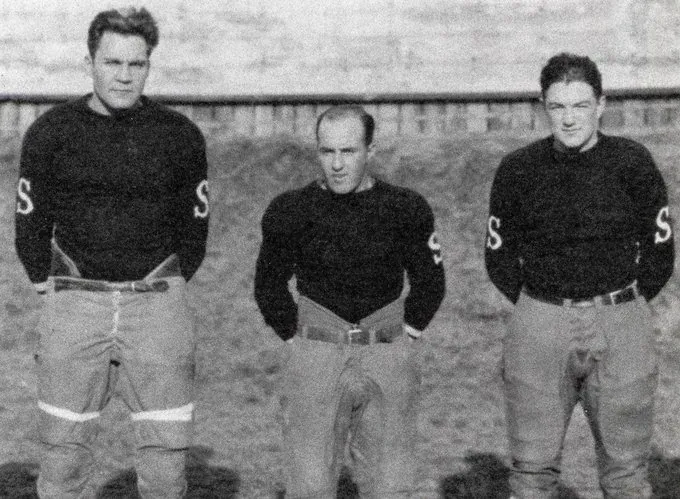
A forged signature got him onto the field in the first place. Jack Shapiro stood just 5-foot-1 and weighed 119 pounds when he suited up for the Staten Island Stapletons in 1929, and Pro Football Hall of Fame research still lists him as the shortest man to ever play in the NFL. He scored a rushing touchdown during his brief run in the league, based on game accounts compiled by football historian Mel Bashore.
Scouts today would not get him past a rookie minicamp. In 1929, a coach simply needed a body willing to take a hit, and Shapiro volunteered for the job.
2. Pard Pearce, Quarterback (5’5″)
Quarterback was not built for small men in the 1920s, yet one still won a championship at the position. Pard Pearce played six NFL seasons between 1920 and 1925 at 5-foot-5 and 150 pounds, splitting time with the Chicago Bears, Kenosha Maroons, and Providence Steam Roller. Pro Football Reference credits him as part of the Bears’ 1921 title-winning roster, making him the shortest quarterback to ever win an NFL championship.
3. Mack Herron, Running back (5’5″)
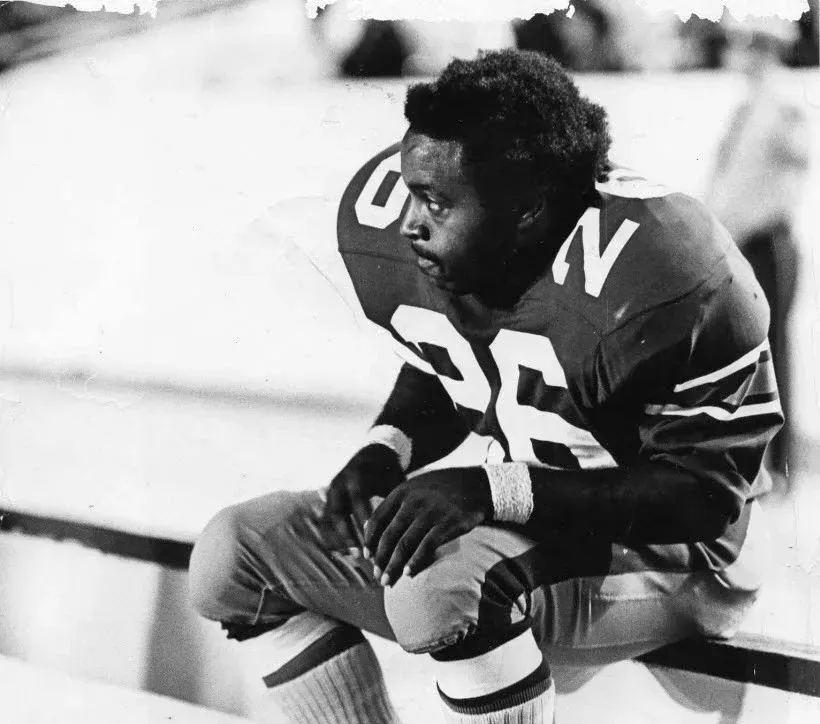
Nobody returned a kickoff better in 1973 than a back most teams passed on for his size. Mack Herron stood 5-foot-5 across three NFL seasons with the New England Patriots and Atlanta Falcons, and he led the league in kickoff return yardage that year, according to Pro Football Reference. His career never stretched past three seasons, but for one season he was the most dangerous return man in football.
4. Trindon Holliday, WR / Return Specialist (5’5″)
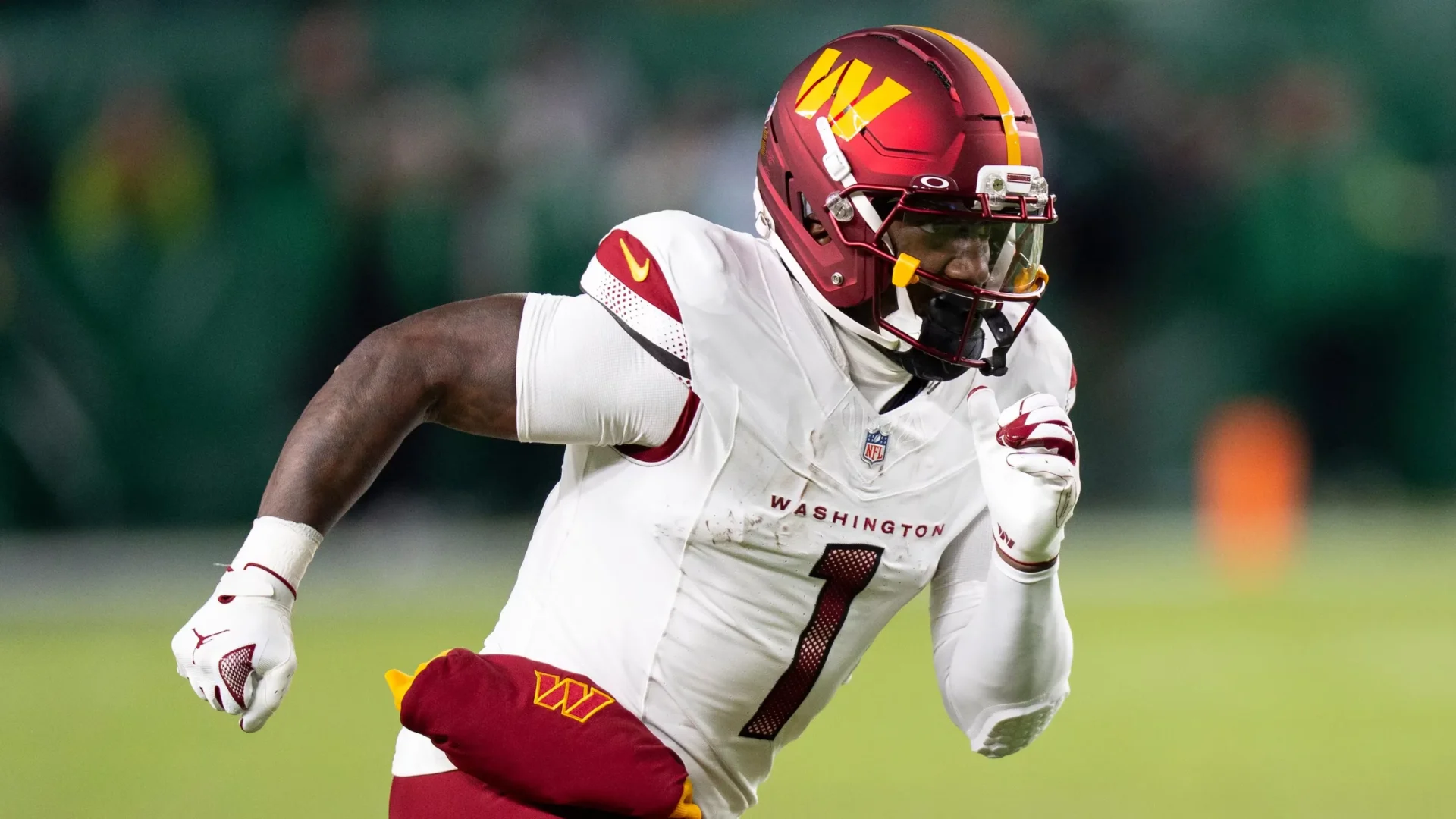
One postseason moment still defines this name for casual fans. Trindon Holliday returned both a punt and a kickoff for touchdowns during the Broncos’ double-overtime playoff loss to the Baltimore Ravens after the 2012 season, a game Pro Football Reference still catalogs among the most statistically wild in playoff history. He played six NFL seasons at 5-foot-5 across stops with the Texans and Broncos.
Anyone who covered that AFC Divisional game remembers the sideline reaction when Holliday broke the second return. A player nobody game-planned for had just decided the outcome twice.
5. Deuce Vaughn, Running back (5’5″)
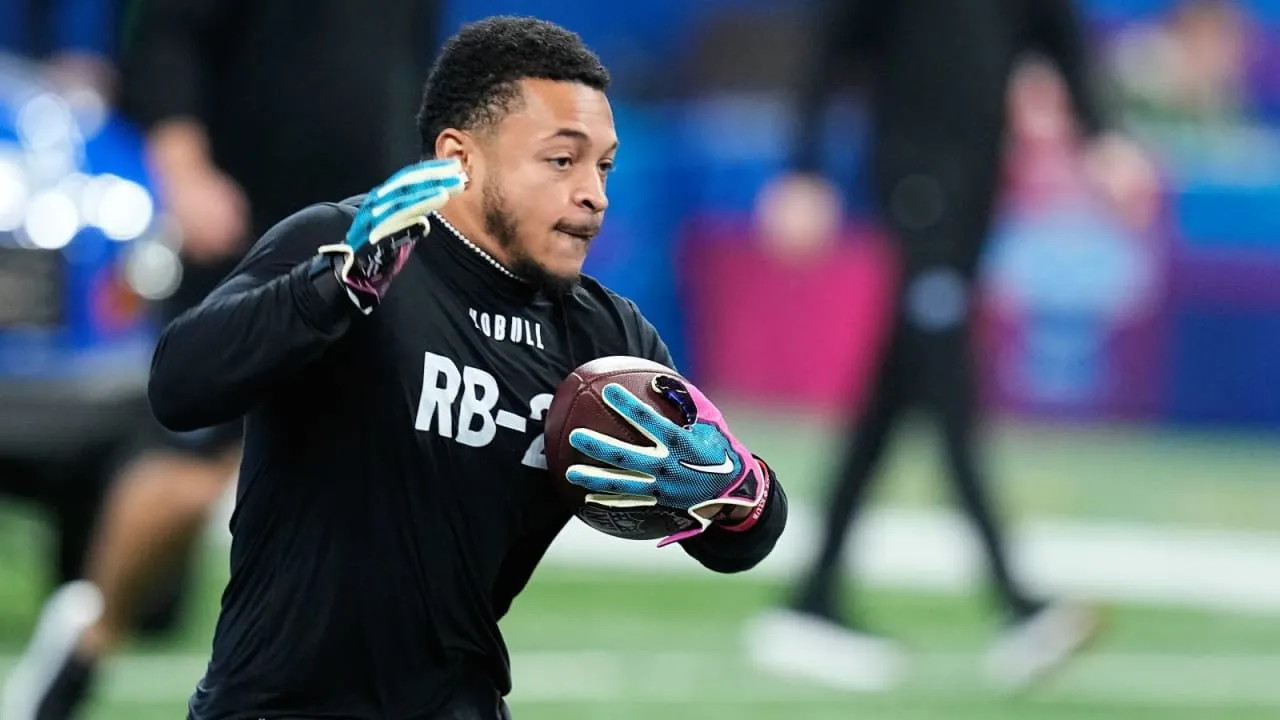
A sixth-round pick became the shortest player drafted since the league began tracking combine measurements. Deuce Vaughn measured 5-foot-5 at Kansas State before the Dallas Cowboys selected him 212th overall in 2023, and Pro Football Reference confirms no shorter player has been drafted since the NFL began recording official combine heights in 2003. He appeared in 14 games across two seasons with Dallas before a brief run with the Denver Broncos in 2025.
Vaughn is no longer on an NFL roster entering the 2026 season. He signed with the Orlando Storm of the UFL instead, closing out his NFL chapter after three seasons.
6. J.J. Taylor, Running back (5’5 1/4″)
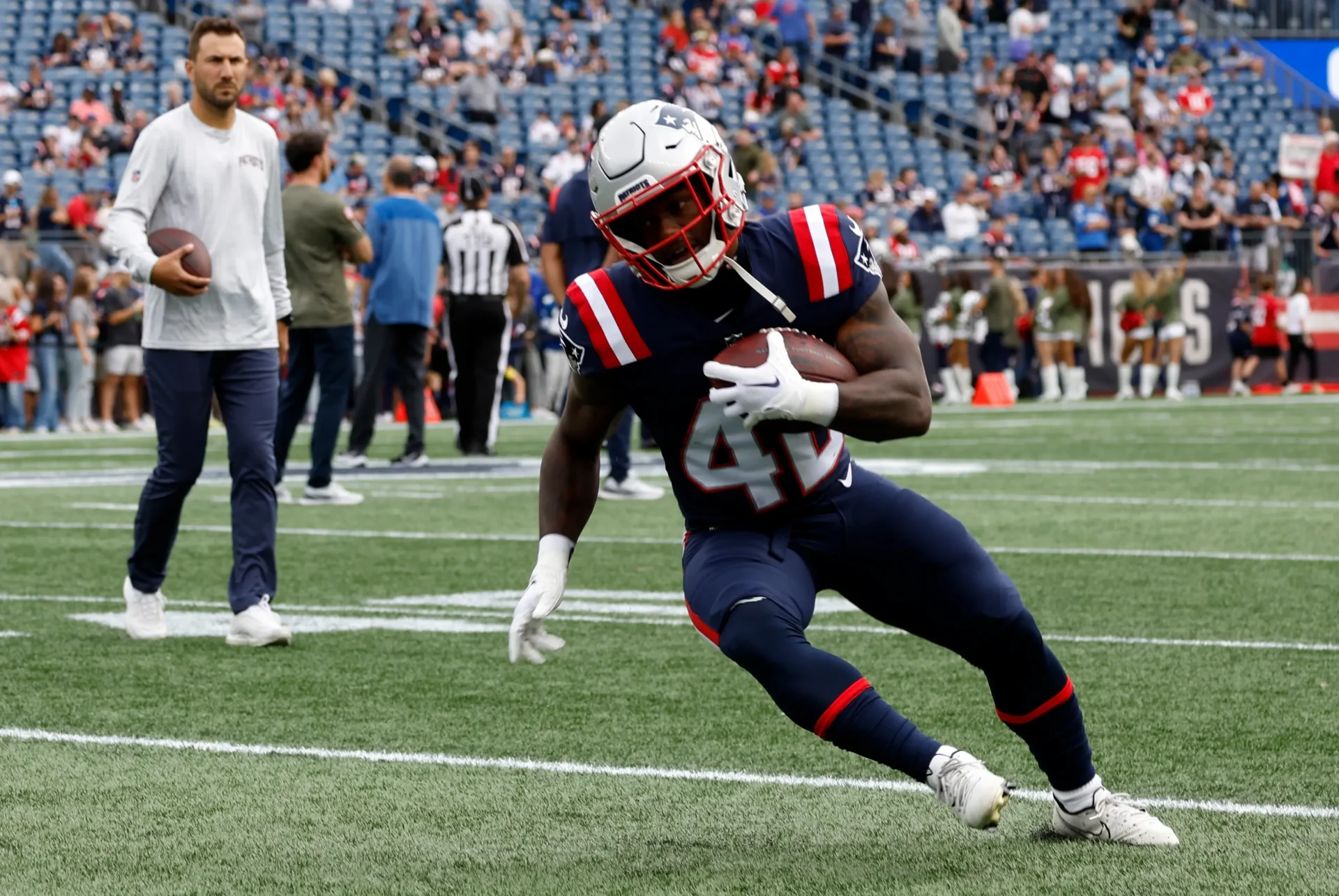
Going undrafted did not stop this return specialist from carving out a role. J.J. Taylor went undrafted out of Arizona in 2020 at 5-foot-5 and a quarter inch, then signed with the New England Patriots before later joining the Houston Texans. He has worked primarily as a punt returner and change-of-pace back across parts of six NFL seasons.
7. Jakeem Grant, WR / Return Specialist (5’5 7/8″)
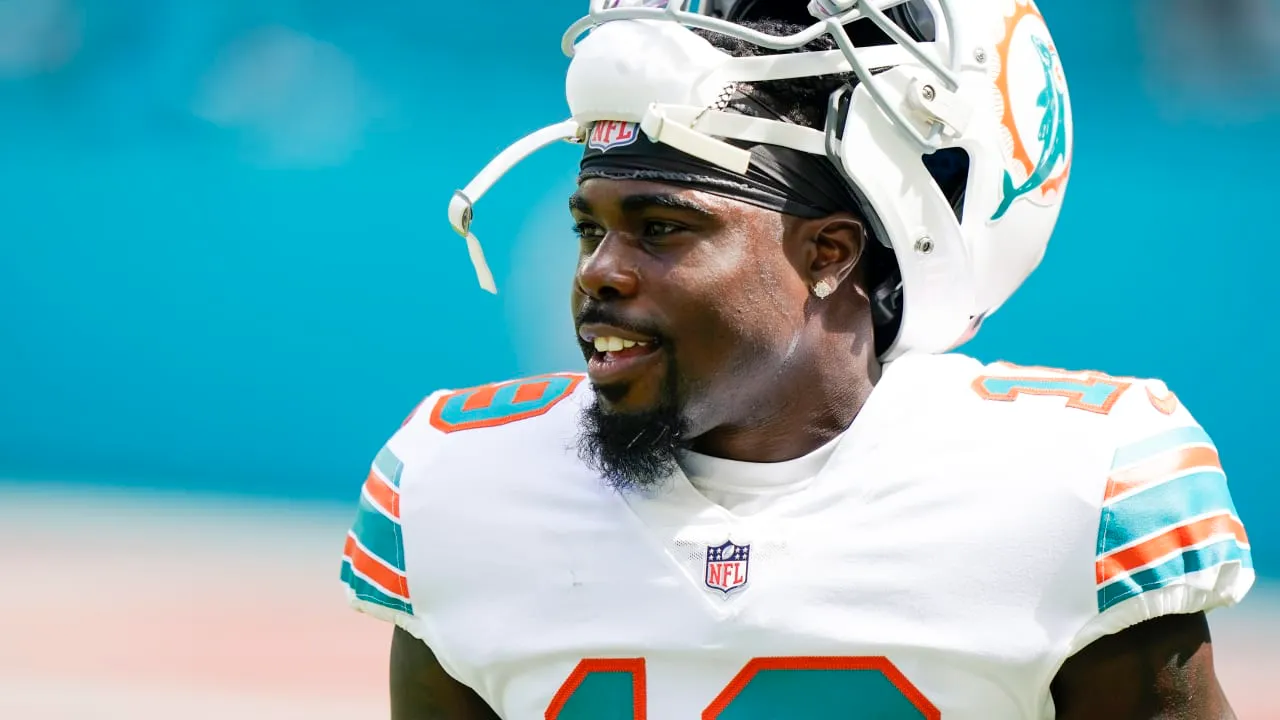
A sixth-round pick out of Texas Tech turned into a two-time All-Pro returner. Jakeem Grant stands 5-foot-5 and seven-eighths of an inch, and the Miami Dolphins drafted him in the sixth round of the 2016 NFL Draft. He earned All-Pro recognition twice and a Pro Bowl selection in 2021 before injuries limited his final NFL seasons with the Atlanta Falcons.
8. Darren Sproles, Running back (5’6″)
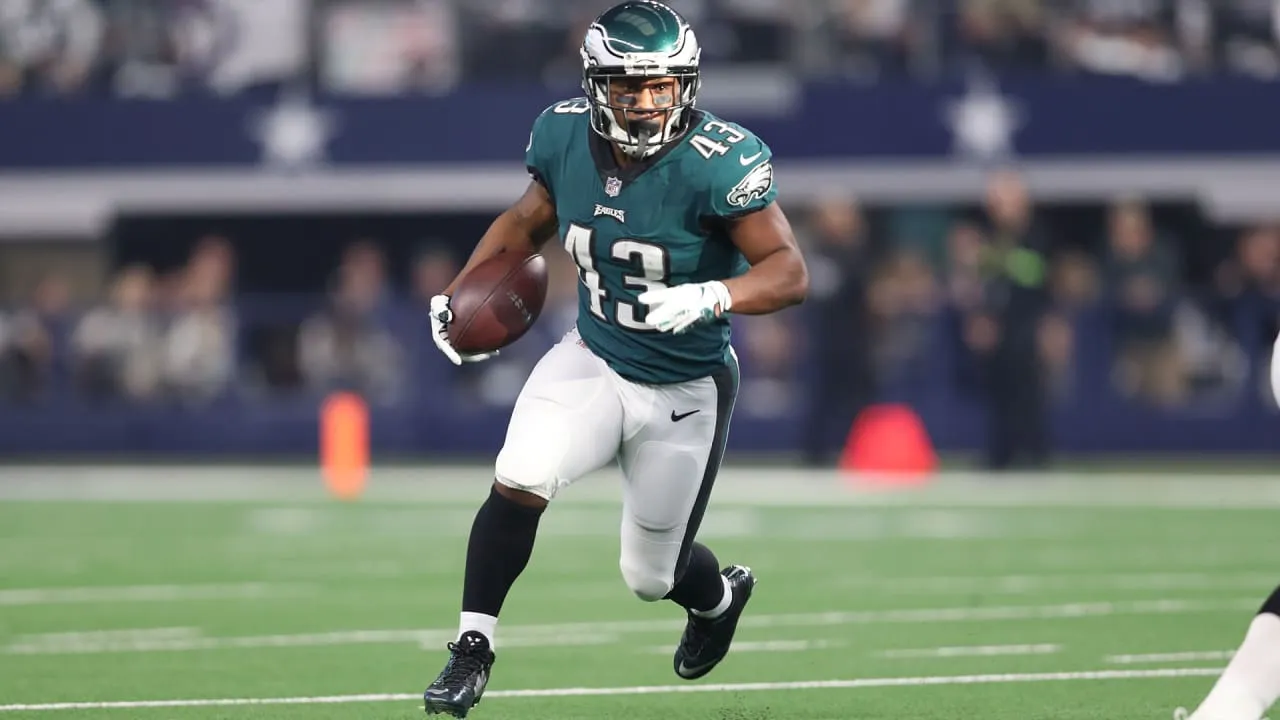
A Super Bowl ring and an all-purpose yardage record belong to the same 5-foot-6 running back. Running back Darren Sproles set the single-season all-purpose yardage record in 2011, and Pro Football Reference credits him with a Super Bowl title and a spot on the NFL’s 2010s All-Decade Team. He played 15 NFL seasons across the Chargers, Saints, and Eagles, building a resume that puts him among the best pass-catching backs in NFL history.
9. Maurice Jones-Drew, Running back (5’7″)
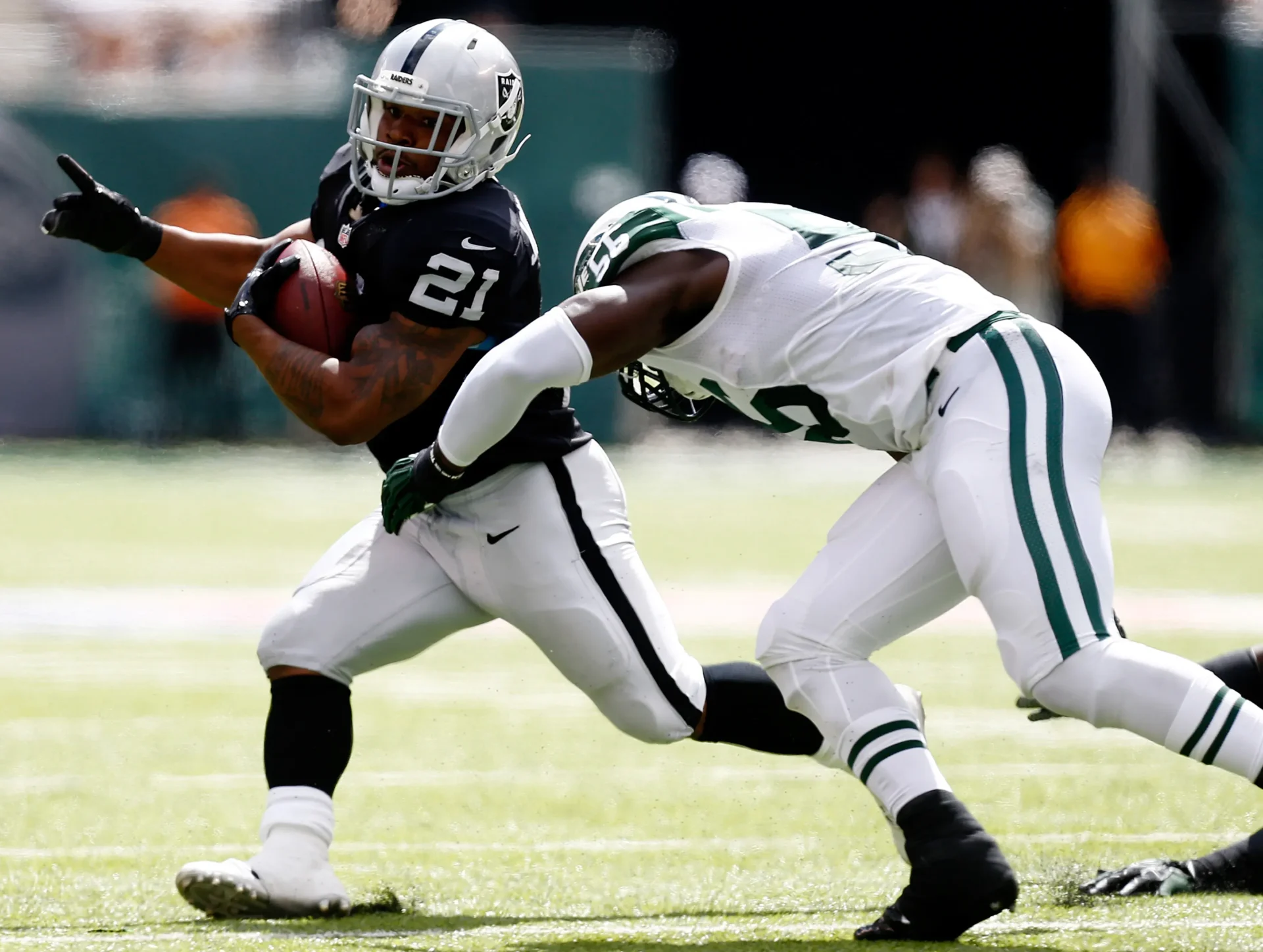
A league rushing title belongs to a back most scouts rated as undersized. Maurice Jones-Drew led the NFL in rushing yards during the 2011 season while standing 5-foot-7, and he earned three Pro Bowl selections across a nine-year career with the Jacksonville Jaguars. Pro Football Reference lists his career rushing total at 8,166 yards.
Jones-Drew’s production despite his size still earns him mentions in most breakdowns of the best running backs of all time, a list where height rarely decides who makes the cut.
10. Barry Sanders, Running back (5’8″)
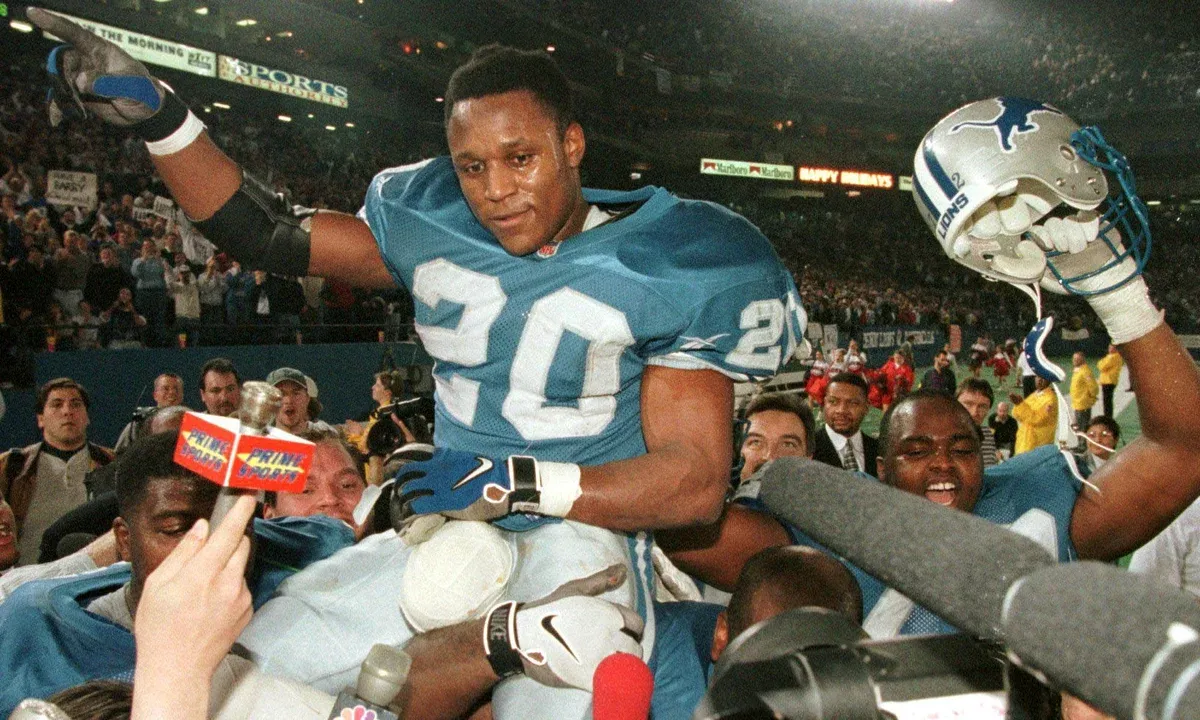
The shortest player in the Pro Football Hall of Fame also ranks among the greatest running backs the league has ever seen. Barry Sanders played 10 NFL seasons at 5-foot-8, winning the 1997 NFL MVP award and earning six first-team All-Pro selections along the way. The Pro Football Hall of Fame inducted him in 2004, and no shorter player has entered the Hall since.
Sanders’ career earnings and records sit alongside dozens of other franchise cornerstones in the NFL players net worth guide, which tracks how the league’s top players turned their playing days into lasting wealth.
Shortest Quarterback in NFL History
Pard Pearce already tops this list among every position, but the shortest-quarterback conversation gets more interesting once the modern pocket era begins. Davey O’Brien, the namesake of the NCAA’s Davey O’Brien Award, ranks as the second-shortest quarterback in NFL history behind Pearce, based on Sports Illustrated’s review of career measurables. He played two seasons with the Philadelphia Eagles in 1939 and 1940 before leaving football for a career with the FBI.
Kyler Murray and Bryce Young share the title of shortest starting quarterback on current rosters, both measured at 5-foot-10 and one-eighth of an inch. Both won the Heisman Trophy in college, and both were selected first overall in their respective NFL Drafts, Murray in 2019 and Young in 2023.
Shortest Active NFL Players Heading Into the 2026 Season
Deuce Vaughn no longer holds the shortest-active-player distinction. He left the NFL for the Orlando Storm of the UFL in 2026, clearing the way for a five-way tie at the top of the current list.
A group of players measuring 5-foot-7 now shares the honor: running backs Devin Singletary and Jaleel McLaughlin, receivers Rondale Moore and Greg Dortch, and kicker Blake Grupe. Singletary has rushed for well over 3,000 career yards across stints with the Bills, Texans, and Giants, while McLaughlin built a role in Denver’s backfield after going undrafted out of Youngstown State.
Cowboys receiver KaVontae Turpin is not the shortest player on an NFL roster at 5-foot-9, but Pro Football Reference lists him as the lightest at 154 pounds. He earned first-team All-Pro honors in 2024 as a return specialist, proof that teams still find real value in undersized playmakers once special teams enter the equation. Fans tracking every roster superlative can also see who is the youngest NFL player currently active alongside this group.
Why Shorter Players Thrive at Certain NFL Positions
Running back and return specialist remain the two spots where a shorter frame barely matters. A lower center of gravity, meaning the distance between a player’s hips and the ground, helps smaller backs plant, cut, and change direction faster than bigger defenders can react.
Offensive and defensive linemen almost never appear on a shortest-players list, since leverage at the line of scrimmage depends partly on height matched against the man across from it. Cornerbacks and safeties can survive at 5-foot-8 or 5-foot-9 because closing speed and instincts matter more than reach once a receiver breaks off his route. For a full positional breakdown, the site’s guide to the average height of an NFL player by position shows exactly how far the shortest names on this list sit below the norm.
Lesser-Known Facts About the NFL’s Shortest Players
- Halfback Jack Shapiro forged his father’s signature to play football as a teenager, a deception his father reportedly never fully forgave, according to a 1999 interview compiled by historian Mel Bashore.
- Running back Deuce Vaughn’s 2023 selection made him the shortest player drafted since the NFL began recording official combine heights in 2003, per Pro Football Reference.
- Running back Darren Sproles played college football at Kansas State, the same program that later produced Deuce Vaughn, connecting two of the best short backs in NFL history through one campus.
- Running back Barry Sanders remains the only Pro Football Hall of Fame inductee measured at 5-foot-8 or shorter, based on the Hall’s official player database.
- Receiver KaVontae Turpin reached the NFL through the USFL rather than a traditional draft path, winning USFL MVP honors in 2022 before the Cowboys signed him that same year.
FAQ
Who is the shortest player in NFL history?
Halfback Jack Shapiro holds that distinction at 5-foot-1. He played for the Staten Island Stapletons in 1929 and remains the shortest player Pro Football Hall of Fame researchers have documented at any position.
Who is the shortest active NFL player right now?
A group of players tied at 5-foot-7 currently shares the title, including running backs Devin Singletary and Jaleel McLaughlin, receivers Rondale Moore and Greg Dortch, and kicker Blake Grupe. Running back Deuce Vaughn held the record before leaving the NFL for the UFL’s Orlando Storm in 2026.
Who is the shortest quarterback in NFL history?
Quarterback Pard Pearce takes that title at 5-foot-5 across his six seasons in the 1920s. Among current starters, quarterbacks Kyler Murray and Bryce Young share the shortest-quarterback distinction at 5-foot-10 and one-eighth of an inch.
Is Barry Sanders the shortest player in the Pro Football Hall of Fame?
Yes. Standing 5-foot-8, running back Barry Sanders remains the shortest inductee in Hall history, and his size never limited a career that ranks among the best in NFL history, including six first-team All-Pro selections and the 1997 NFL MVP award.
What position produces the most short NFL players?
Running backs and return specialists account for most of the names on this list. A lower center of gravity and sudden footwork matter more at those positions than height does.
The list of shortest NFL players keeps growing every draft class, and the pattern never really changes. Teams that overlook a 5-foot-7 running back or a 5-foot-5 return man because of a measuring tape keep losing that player to somebody else’s roster. From halfback Jack Shapiro’s single season in 1929 to today’s five-way tie at 5-foot-7, the shortest NFL players in history prove some of the best players in the league have come in the smallest packages.