


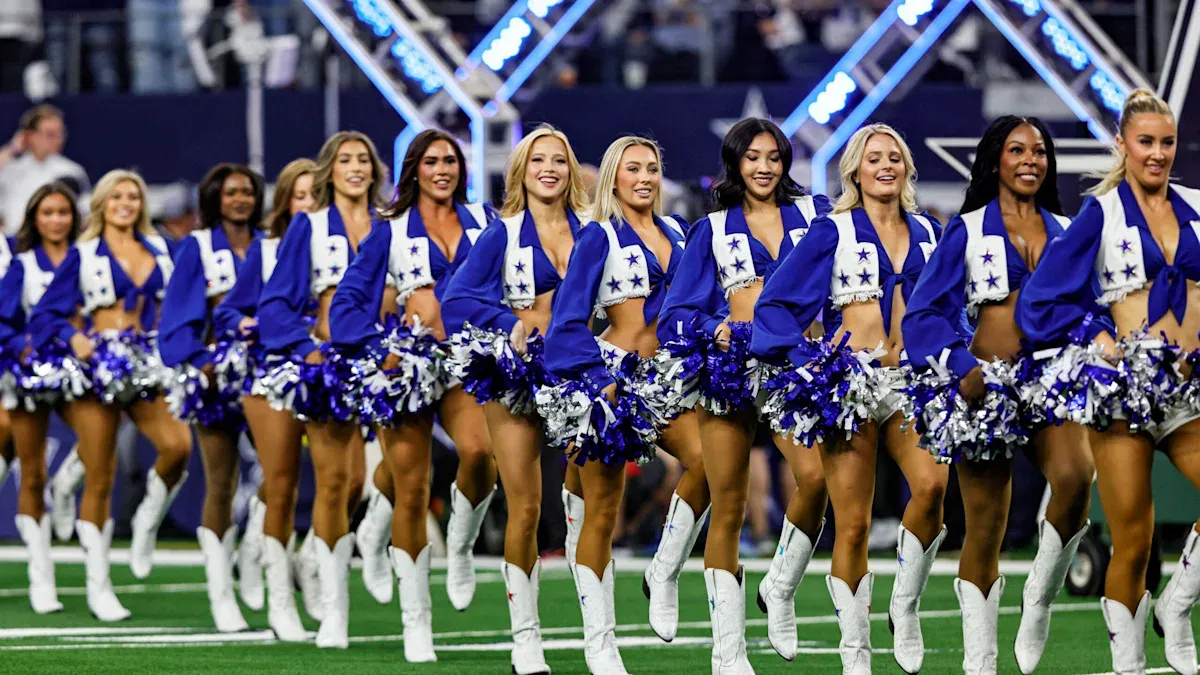
The Dallas Cowboys Cheerleaders have already secured a major improvement in pay. Now, their next challenge is turning that progress into a lasting agreement that addresses compensation, benefits and working conditions.
The Dallas Cowboys organization agreed on October 23, 2026, to recognize the Dallas Cowboys Cheerleaders Association (DCCA) as the squad’s collective bargaining representative. The decision opens the way for formal negotiations between the association and the NFL franchise after years of disputes over wages and employment conditions.
The development marks a new stage in a campaign that gained widespread attention through legal action, internal advocacy and Netflix’s America’s Sweethearts: Dallas Cowboys Cheerleaders. But union recognition is not the same as a completed contract, and the terms of any future agreement remain to be negotiated.
For the cheerleaders, the central question is no longer simply whether their pay can improve. It is whether they can secure a more comprehensive framework for their work with one of professional sports’ most recognizable organizations.
Related Article: How much do NFL cheerleaders make?
The 400% Pay Raise Changed the Conversation
For years, compensation remained a contentious issue for the Dallas Cowboys Cheerleaders despite the squad’s considerable public profile.
That conversation intensified during the second season of Netflix’s America’s Sweethearts: Dallas Cowboys Cheerleaders, which documented the demands of making and maintaining a place on the squad. Members discussed the financial pressures associated with the role, including the need to balance cheerleading commitments with other employment.
The series helped bring those concerns to a much wider audience. Viewers saw the extensive preparation, physical demands and time commitment involved in professional NFL cheerleading, alongside questions about whether compensation adequately reflected that workload.
The resulting attention coincided with a reported 400% pay increase for the 2025 season. Some veteran cheerleaders’ hourly compensation rose from approximately $15 during the 2024 season to $75, according to published reporting.
The increase represented a substantial change in the squad’s reported pay structure. However, it did not necessarily resolve every concern about employment conditions.
Reports following the negotiations indicated that the increased compensation did not include health insurance. That distinction matters because wages and benefits are separate parts of an employment package.
The new union recognition creates an opportunity to address those broader questions through collective bargaining rather than treating each pay dispute as an isolated issue.
Why Union Recognition Matters Beyond Salary
A wage increase can improve a worker’s immediate financial position, but a negotiated employment agreement can establish more detailed expectations for both workers and management.
That is the significance of the Cowboys’ decision to recognize the DCCA as the collective bargaining representative for the cheerleading squad.
The association now has a formal role in negotiations over employment terms. The parties have announced their intention to begin collective bargaining, although the final provisions and timeline have not been established in the available reporting.
Several subjects could become relevant during those discussions.
- Compensation structure: Negotiations could address how pay is calculated for performances, rehearsals, practices and other required commitments. The final terms would determine which activities are covered and how compensation is structured.
- Health insurance and benefits: Health coverage has emerged as a concern in reporting about the squad’s previous pay negotiations. Whether the union secures insurance or other benefits will depend on the bargaining process.
- Work schedules and expectations: Professional cheerleading involves more than performing during football games. Clearer terms could address scheduling, preparation, appearances and other responsibilities associated with the position.
- Workplace protections: A collective agreement could establish formal procedures for handling disputes and clarifying employment expectations. The scope of any such protections remains to be determined.
These are potential bargaining issues, not confirmed provisions of a contract. The recognition announcement does not establish that the cheerleaders have already secured additional benefits or new workplace guarantees.
Nevertheless, it gives the association a formal mechanism to pursue those issues collectively.
The 2019 Lawsuit Was an Earlier Warning Sign
The current development follows an earlier compensation dispute involving former Cowboys cheerleader Erica Wilkins.
Wilkins filed a wage lawsuit in 2018, alleging that her compensation was unfair compared with that of the team’s male mascot. She said she had earned approximately $15,000 during her seasons with the squad.
The Cowboys settled the lawsuit in 2019. Following the settlement, game-day pay for cheerleaders increased from $200 to $400 per game.
That outcome brought a direct change in compensation, but it did not end the broader debate about the financial realities of professional cheerleading.
The distinction between game-day payments and the full time commitment required by the job remained important. Rehearsals, training and additional appearances can require substantial time outside the actual performance.
The later pay increase and union recognition therefore represent different stages in the same wider story. The earlier settlement changed reported game-day compensation, while the reported 2025 raise substantially increased hourly pay for some members. The 2026 union recognition creates an opportunity to negotiate more comprehensive employment terms.
Whether the new arrangement produces lasting changes will depend on the agreement the two sides eventually reach.
Netflix Brought the Financial Reality Into Public View
The influence of America’s Sweethearts extends beyond its portrayal of the squad’s auditions, training and performances.
The series gave viewers a closer look at the demands placed on cheerleaders and the challenges of balancing those responsibilities with financial independence. That exposure helped bring a long-running workplace issue into mainstream entertainment and sports coverage.
The show’s second season also documented the push for better pay, including tense negotiations and the possibility of a walkout.
Public visibility can matter in situations where workers compete for a limited number of desirable positions. In entertainment, the prestige of a role may attract applicants even when the compensation is modest, potentially weakening workers’ individual bargaining power.
Virginia Commonwealth University sociologist Victor Chen, who studies labor issues, said the Cowboys cheerleaders’ high profile and the Netflix series likely helped their efforts. He also noted the wider compensation inequalities that can arise in entertainment industries where many people compete for opportunities.
That context helps explain why the latest development is significant beyond the immediate pay dispute. The cheerleaders’ public recognition has brought attention to the relationship between prestige, demanding work and compensation.
The union now provides a formal channel through which the squad can pursue its employment concerns.
What the Cowboys’ Recognition Means for the NFL
The Dallas Cowboys Cheerleaders are among the most recognizable dance squads in professional sports, but their unionization also brings renewed attention to labor conditions across NFL cheerleading.
The squad is not the first in the league to pursue union representation. In 1995, the Buffalo Jills, associated with the Buffalo Bills, received a National Labor Relations Board ruling allowing them to organize and subsequently voted to join the National Football League Cheerleaders Association.
That effort did not lead to a lasting arrangement for the Buffalo Jills, whose squad later disbanded in 2014 following a lawsuit by former members alleging extensive unpaid work and inappropriate conduct.
The history offers an important distinction: gaining union recognition is a significant step, but it does not guarantee a particular outcome or ensure that an organization’s employment arrangements will remain unchanged indefinitely.
For Dallas, the next phase will be defined by the substance of the negotiations and the terms eventually agreed upon.
The Cowboys’ recognition of the DCCA could also prompt more discussion about compensation and workplace protections for other professional cheerleading squads. However, it is too early to conclude that other NFL teams will follow the same path.
What Happens Next for the Dallas Cowboys Cheerleaders?
The immediate priority is collective bargaining between the Dallas Cowboys organization and the Dallas Cowboys Cheerleaders Association.
The negotiations will determine the employment terms the parties can agree upon and whether the cheerleaders obtain additional protections beyond the pay improvements already reported.
Health insurance, compensation arrangements and working conditions are potential areas of discussion, but no finalized collective bargaining agreement or specific new benefits have been confirmed in the available reporting.
The process also represents a shift in how the squad can approach future employment concerns. Rather than relying exclusively on public pressure or individual negotiations, the association has formal recognition as the representative for collective bargaining.
The outcome will matter because the reported pay increase, while substantial, does not by itself answer every question about the full value and conditions of the job.
A finalized agreement would provide a clearer picture of what the union has secured and how the changes will affect the cheerleaders’ working arrangements.
The Bottom Line
The Dallas Cowboys Cheerleaders have moved beyond a campaign focused primarily on higher pay and into a new phase centered on collective bargaining.
The reported 400% pay increase in 2025 marked a major change in compensation. The Cowboys’ recognition of the Dallas Cowboys Cheerleaders Association in October 2026 now gives the squad a formal route to negotiate over broader employment terms.
The next test will be whether that recognition leads to an agreement that addresses the issues left unresolved by previous pay increases.
For now, the cheerleaders have secured an important step toward a stronger collective voice. The lasting impact, however, will depend on what both sides put into the final contract.