

The NBA is often called a “land of giants,” but some of its greatest legends have stood closer to the hardwood than the rim. While the average player towers at 6’6”, a select few have defied biology to dominate the league.
As we move through the 2025-26 NBA season, the conversation around height has shifted significantly. Furthermore, 7’4″ giants like Victor Wembanyama and Zach Edey are redefining the “tall” end of the spectrum, making the stories of the shortest NBA players more impressive than ever.
List of Shortest Players in NBA History (All-Time)
To provide a clear answer for fans: Muggsy Bogues is the shortest NBA player of all time, standing at 5’3”. Below is the definitive ranking of the top 10 smallest players ever to play a professional minute.
| Rank | Player | Height | Team(s) | Claim to Fame |
|---|---|---|---|---|
| 1 | Muggsy Bogues | 5’3” | Hornets, Warriors | Shortest ever; 14-year career |
| 2 | Earl Boykins | 5’5” | Nuggets, Bucks | Shortest to score 30+ points |
| 3 | Mel Hirsch | 5’6” | Celtics | 1940s pioneer |
| 4 | Spud Webb | 5’6” | Hawks, Kings | 1986 Slam Dunk Champion |
| 5 | Yuki Kawamura | 5’7” | Grizzlies, Bulls | Shortest Active Player (2026) |
| 6 | Greg Grant | 5’7” | Suns, Knicks | D-III to NBA legend |
| 7 | Keith Jennings | 5’7” | Warriors | Elite .397 3PT shooter |
| 8 | Red Klotz | 5’7” | Bullets | Shortest to win an NBA title |
| 9 | Wat Misaka | 5’7” | Knicks | First non-white player in NBA |
| 10 | Monte Towe | 5’7” | Nuggets | Credited with inventing the alley-oop |
Detailed Profiles of the NBA’s Smallest Legends
1. Tyrone “Muggsy” Bogues (5’3”): The Giant Killer
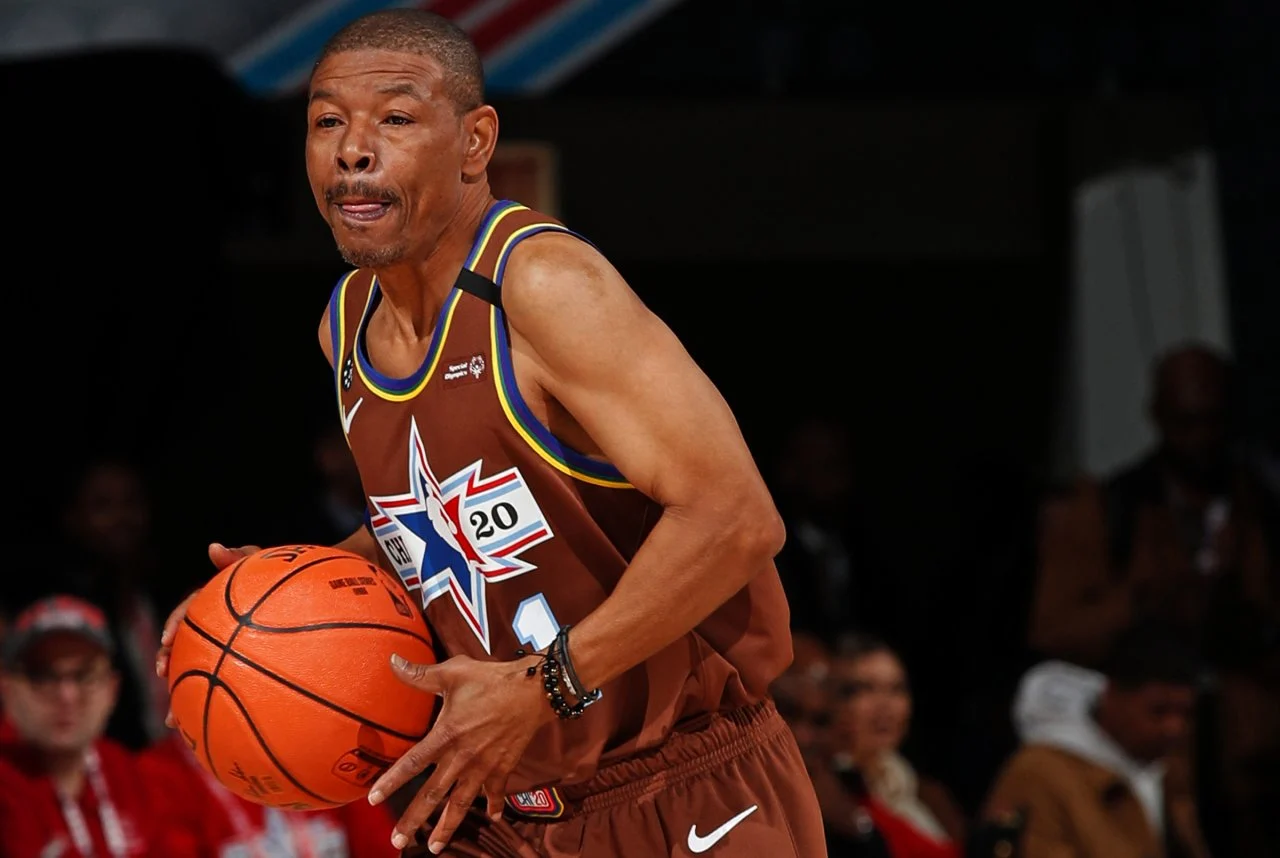
The definitive answer to “Who is the shortest player in NBA history?” is Muggsy Bogues. At 5’3”, he operated as a defensive whirlwind for 14 professional seasons. Bogues didn’t just survive; he thrived. Specifically, he famously blocked a shot from 7-foot Hall-of-Famer Patrick Ewing. As the Charlotte Hornets’ all-time leader in assists and steals, he proved that a low center of gravity is the ultimate weapon for a floor general.
2. Earl Boykins (5’5”): The Pound-for-Pound Powerhouse
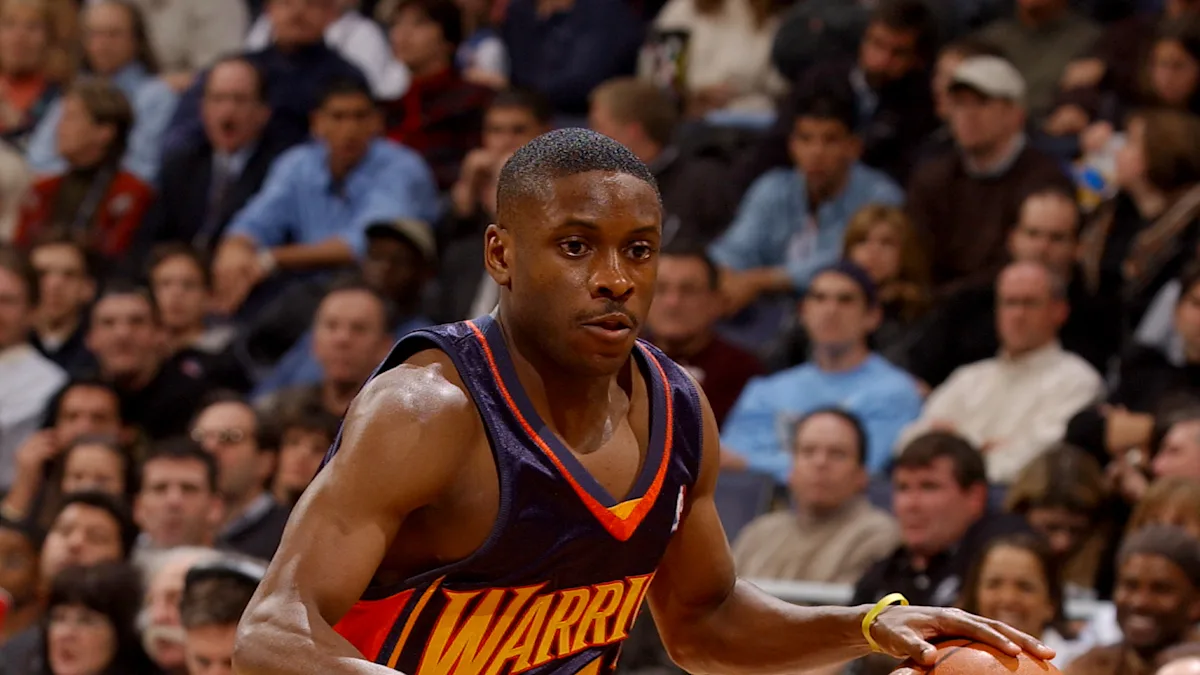
Earl Boykins’s career was defined by “sneaking” into the paint and finishing among giants. Despite his 5’5” frame and 135-pound weight, Boykins could bench press 315 pounds. Consequently, this functional strength made him the shortest player ever to score 30+ points in an NBA game. His tenure with the Denver Nuggets and Washington Wizards cemented his legacy as one of the league’s most resilient scorers.
3. Mel Hirsch (5’6”): The Original Record Holder
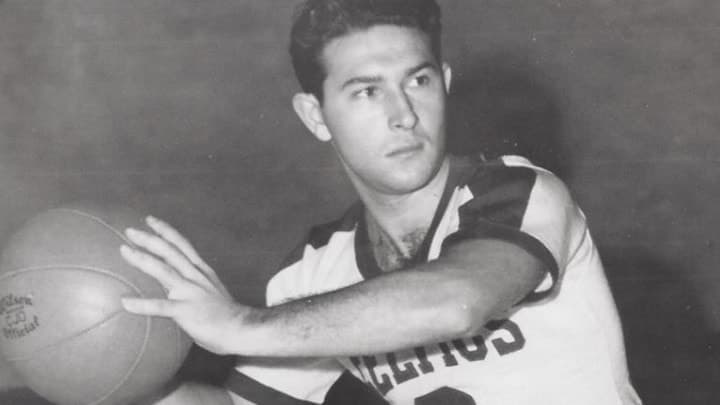
A true pioneer, Mel Hirsch played for the Boston Celtics in the BAA’s inaugural 1946-47 season. As a veteran of the US Army Air Corps, Hirsch held the record as the smallest professional player for over 40 years. His inclusion in this list honors the early “undersized” guards who paved the way for modern playmakers.
4. Anthony “Spud” Webb (5’6”): The Gravity Defier
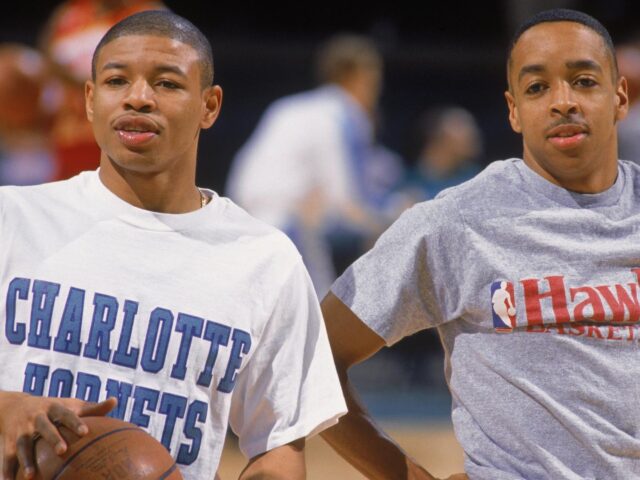
Spud Webb became a global phenomenon in 1986 when he won the NBA Slam Dunk Contest, defeating his legendary teammate Dominique Wilkins. Standing at 5’6”, Webb’s 42-inch vertical leap remains one of the most iconic physical feats in American sports history. He enjoyed a highly productive 12-year career, proving that elite athleticism can negate any height disadvantage.
5. Yuki Kawamura (5’7”): The 2026 Modern Standout
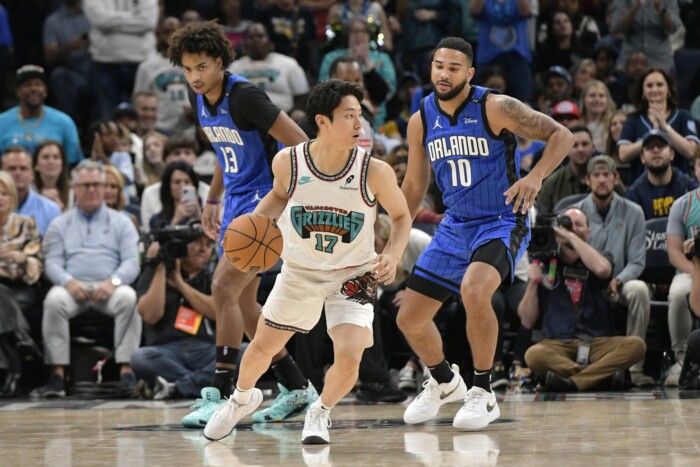
Currently, the most exciting story for USA basketball fans in 2026 is Yuki Kawamura. After transitioning from a Japanese B.League superstar to a legitimate NBA rotation piece, Kawamura has become a social media phenom due to his high-speed playmaking. In an era dominated by 7-footers, Kawamura proves that 5’7” skill still has a vital place on the modern court.
6. Markquis Nowell (5’7”): The Assist Maestro
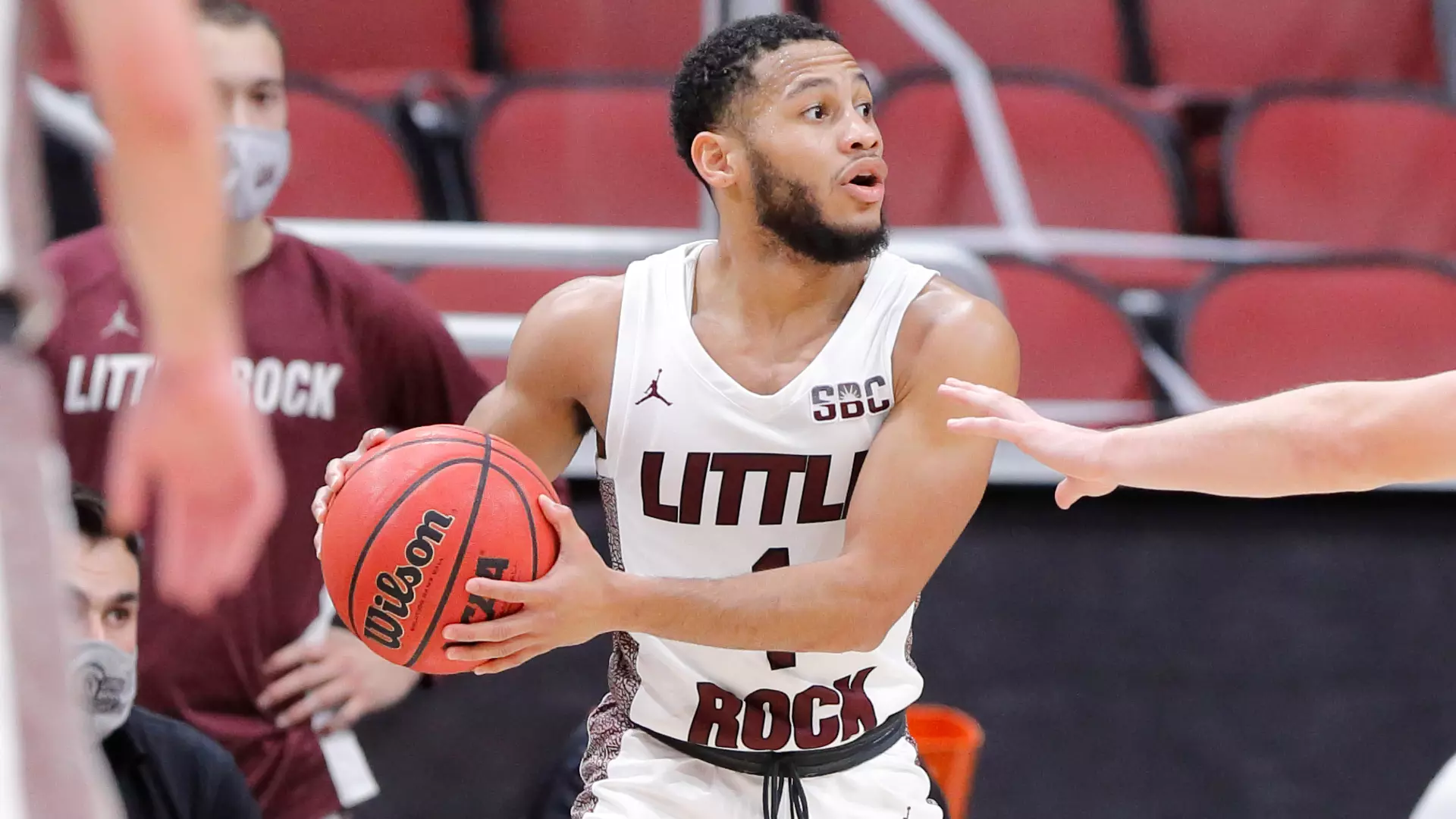
Following a historic NCAA tournament run where he set the record for most assists in a single game (19), Nowell brought his “Mr. New York City” energy to the NBA. Standing at 5’7”, he has become a modern blueprint for undersized point guards thanks to his ability to manipulate defenses with elite ball-handling and deep shooting range.
7. Greg Grant (5’7”): The Division III Success Story
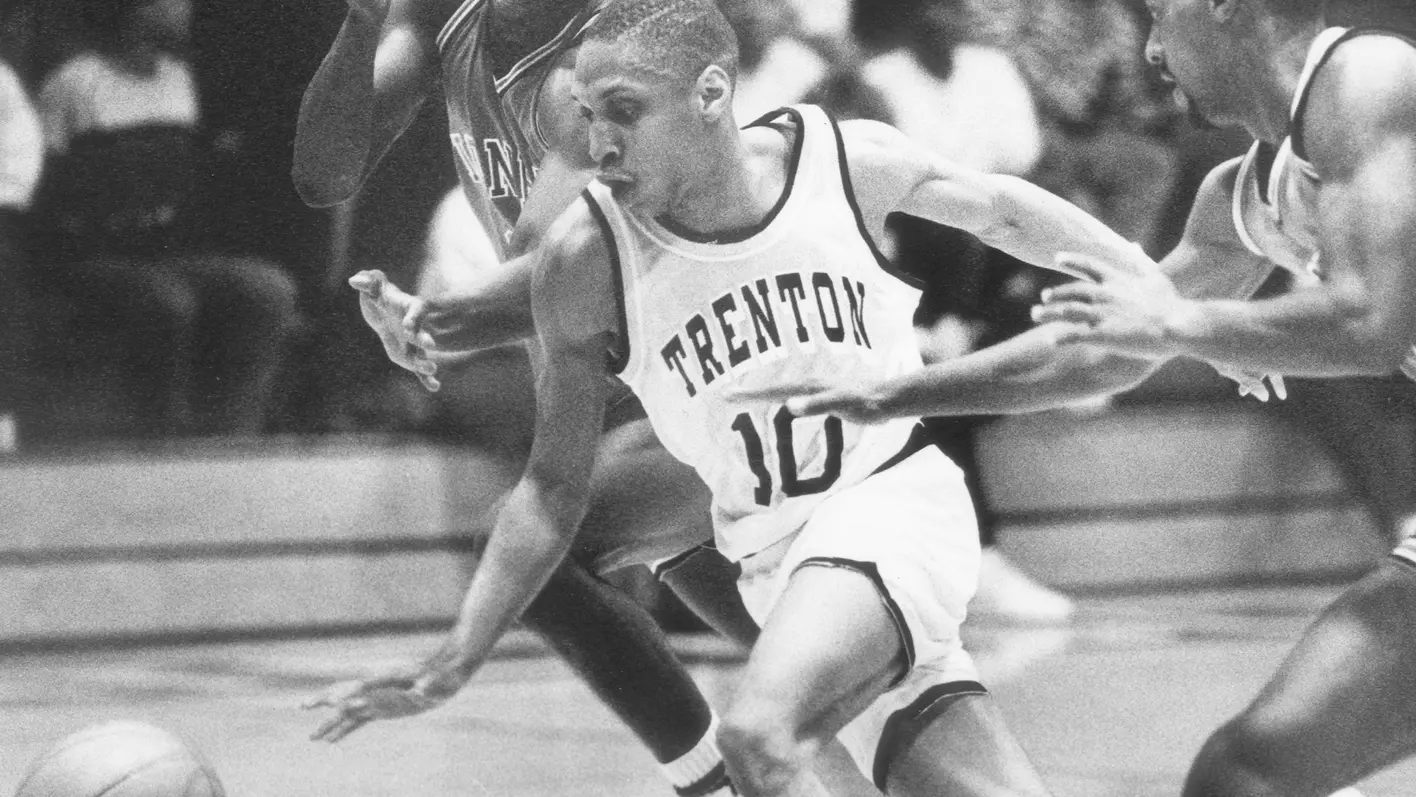
Greg Grant’s journey represents the ultimate underdog tale. Despite coming from a Division III school, Grant played nine seasons for six different NBA franchises. His autobiography, 94 Feet and Rising, detailed how his tenacity allowed him to guard some of the best players in the world despite his small stature.
8. Wataru Misaka (5’7”): The Barrier Breaker
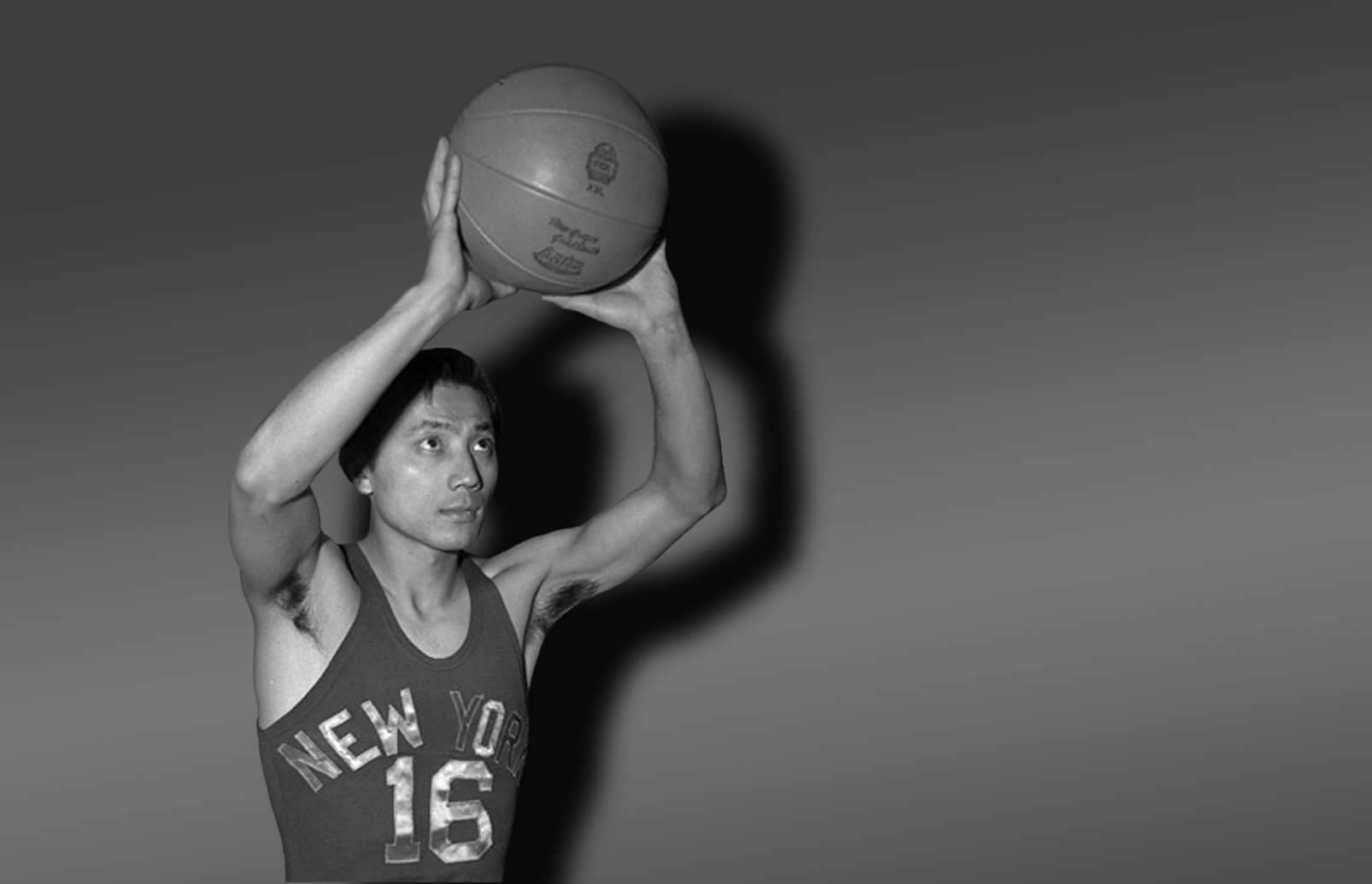
Wataru Misaka’s influence goes beyond mere statistics. In 1947, standing 5’7”, he became the first Asian-American and the first non-Caucasian player in NBA history with the New York Knicks. Misaka’s presence on the court was a historic milestone that shattered racial and physical barriers simultaneously.
9. Red Klotz (5’7”): The Champion and Ambassador
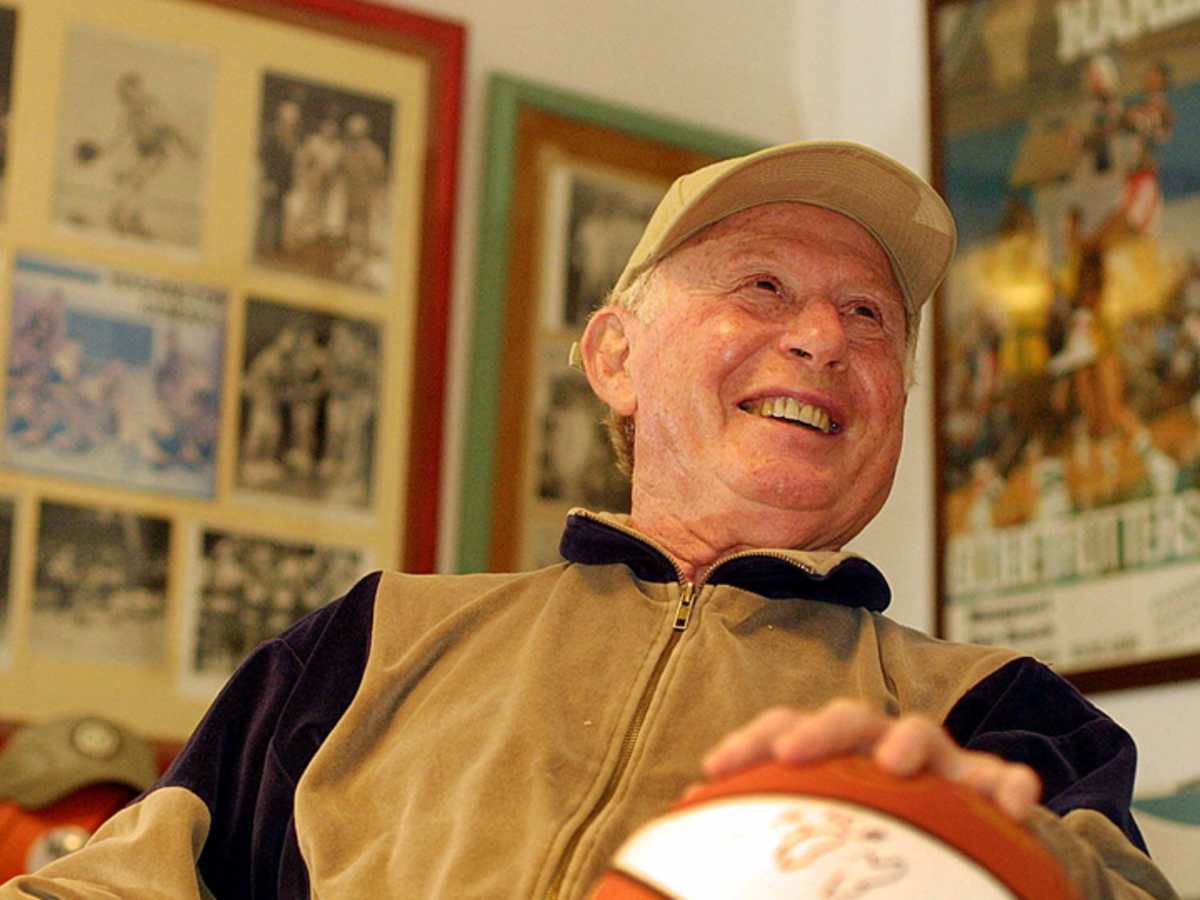
Louis “Red” Klotz holds a unique distinction: he is the shortest player to ever win an NBA championship (1948 Baltimore Bullets). Later in life, he became the legendary founder of the Washington Generals. Klotz dedicated over 60 years to basketball, showing that a 5’7” player could influence the game’s global culture.
10. Monte Towe (5’7”): The Inventor of the Alley-Oop
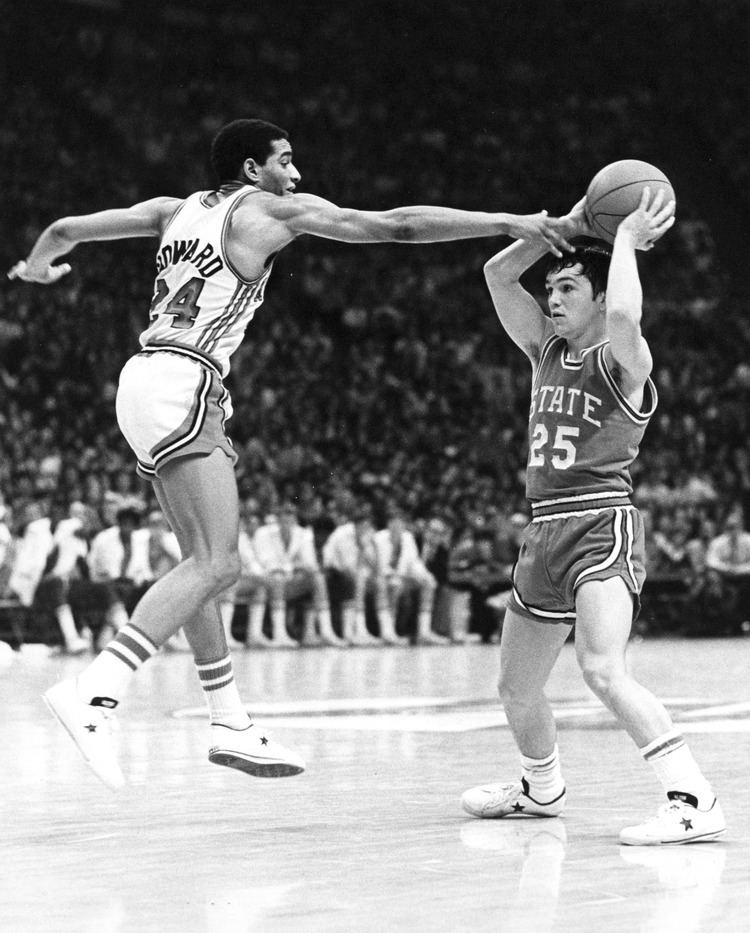
Monte Towe may be 5’7”, but his creativity changed basketball forever. Alongside David Thompson at NC State, Towe widely receives credit for inventing the “alley-oop” pass. He developed the move out of necessity because he couldn’t shoot over tall defenders, leaving a permanent mark on offensive innovation.
Technical Analysis: Surviving the “Height Disadvantage”
Success for the shortest NBA players isn’t accidental. Instead, it requires three specific technical advantages:
- Low Center of Gravity: These players utilize a lower “dribble point,” which makes it nearly impossible for 7-footers to steal the ball without fouling.
- The “Pocket” Pass: Smaller guards excel at passing through the “pockets” of a defense (under the arms of tall defenders) where big men cannot reach.
- Elite Conditioning: Because they must work twice as diligently to cover ground, these athletes often rank in the top 1% of cardiovascular fitness in the league.
FAQs:
Who is the shortest NBA player right now?
The shortest active NBA player is Yuki Kawamura at 5’7” (170 cm). He currently plays for the Chicago Bulls and their G League affiliate. While Markquis Nowell was a notable name last season, he has since moved to the EuroLeague.
Who is the tallest NBA player in 2026?
The title of the NBA’s tallest player currently belongs to Victor Wembanyama (San Antonio Spurs), who is officially listed at 7’5”. Zach Edey (Memphis Grizzlies) follows closely at 7’4”.
Who was the shortest player to ever dunk in an NBA game?
Spud Webb, at 5’6”, is the shortest player in NBA history to record an official in-game dunk. Although Muggsy Bogues could reach the rim, Webb remains the only sub-5’7″ player to make dunking a consistent part of his game.
Who is the shortest player in the NBA Hall of Fame?
Calvin Murphy is the shortest player ever inducted into the Hall of Fame. Standing at 5’9”, Murphy was a legendary scorer for the Houston Rockets. He proved that heart and tenacity could overcome a significant height deficit.
Can a 5’4″ guy actually dunk?
It is extremely rare but biologically possible. While the shortest NBA dunker was 5’6”, professional street dunkers like Porter Maberry (5’5”) have successfully dunked. Typically, a 5’4” individual needs a vertical leap of 40–50 inches to reach the rim.
Is LeBron James richer than Steph Curry?
Yes. While Steph Curry earns one of the highest salaries in the world, LeBron James is a certified billionaire. LeBron’s net worth is higher due to his lifetime Nike deal and massive stakes in production companies like SpringHill.
Why are “Corner 3s” considered easier?
It’s a matter of distance. In the NBA, a three-pointer from the “top of the key” is 23 feet, 9 inches. However, the arc flattens out at the sidelines, making a corner three only 22 feet from the basket. The shot is therefore almost two feet closer to the basket.
Which NBA jersey number is banned?
The NBA officially retired the number 6 league-wide in 2022 to honor Bill Russell. While players already wearing the number were grandfathered in, no new players can choose #6. Thus, it is the only number in NBA history “banned” for all 30 teams.
 and Earl Boykins who conquered the NBA height disadvantage)