

To the untrained eye, American football may appear chaotic. Yet every snap follows a precise architecture of rules, roles, and strategy. Twenty-two players line up across a 120-yard rectangle. Within seconds, they execute a plan built on spacing, timing, and calculated risk.
Understanding the framework behind the collisions separates casual viewers from lifelong fans. This 2026 guide walks through the core rules of American football. You will learn how downs and scoring work, plus the exact measurements of an NFL field.
You will also discover when the NFL began, why the game kept its European name, and how long a modern broadcast actually runs. Along the way, you will find links to deeper explainers on positions, rosters, stadiums, and the playoff format. Treat this as your central hub for the American game.
The Battlefield: NFL Field Dimensions and Scale
Before learning the rules, it helps to know the geometry of the field itself. Coaches treat every yard as currency. The precise dimensions of the playing surface shape how offenses attack and how defenses respond.
Official Field Measurements
A regulation professional field stretches 120 yards from end line to end line. The main playing area covers 100 yards between the two goal lines. A 10-yard end zone sits at each end. Sideline to sideline, the field measures 160 feet, or roughly 53⅓ yards, across.
These dimensions are not arbitrary. They dictate how much horizontal space an offense has to stretch a defense. They also shape how quickly defenders must close on the ball carrier. The final 20 yards before the end zone, often called the red zone, compress that space and produce some of the game’s most intense sequences.
Surface, Acres, and Maintenance
Including the end zones and sidelines, a regulation NFL field covers approximately 1.32 acres. Groundskeepers maintain this surface to exacting standards so players can trust their footing on every cut and plant. Modern stadiums use either premium natural grass or advanced synthetic turf. Each surface balances speed, traction, and injury prevention.
Read more: How Many Acres Is a Football Field?
Hash Marks and Goal Posts
Yard lines divide the field every five yards. Smaller hash marks indicate where officials place the ball before each snap. In the NFL, the hash marks sit relatively close together and align with the uprights of the goal posts. This central alignment encourages vertical passing concepts, timing routes, and balanced formations. The ball rarely starts near a sideline.
American football Basics Rules: Objective, Downs, and Scoring
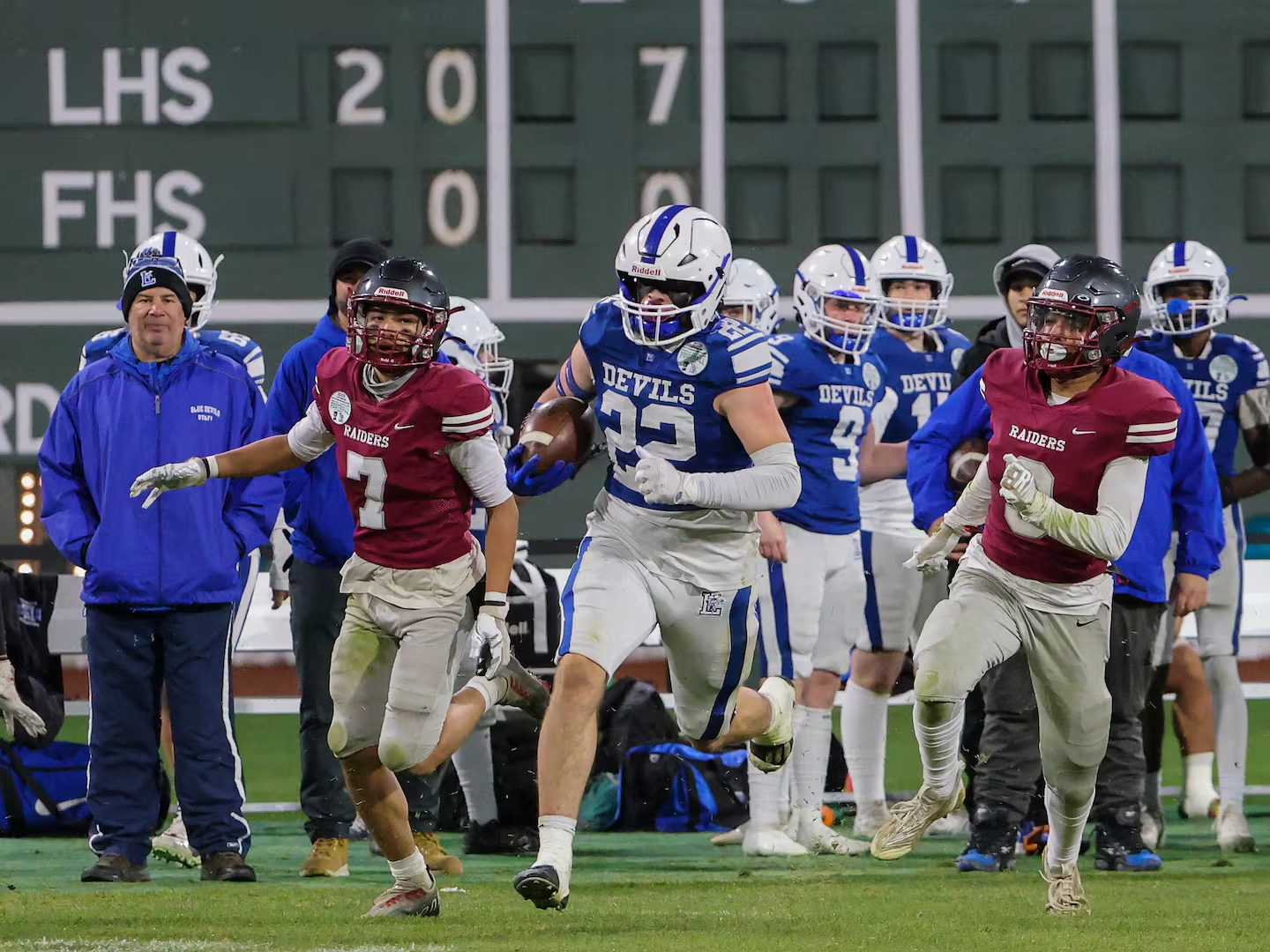
The playbook can feel endless, but the core objective stays simple. Score more points than your opponent across four quarters of regulation play.
The Objective and the Downs System
Each game pits two 11-player teams against each other. One team plays offense; the other, defense. The offense advances the ball by running or passing, while the defense works to stop it. A system of four attempts, called downs, governs possession. Teams must gain at least 10 yards.
If the offense gains 10 yards within those four downs, it earns a fresh set and continues the drive. If it fails, it usually punts on fourth down to flip field position. Aggressive teams sometimes choose to go for it on fourth down. Coaches make that call when they trust their personnel or when the situation demands boldness.
How Scoring Works
Teams earn points in several ways. Each scoring play carries its own strategic value.
A touchdown is worth six points. Players score it by carrying the ball into the end zone or catching a pass inside it. After a touchdown, the scoring team can kick an extra point for one. Teams can also run or pass the ball across the goal line for a two-point conversion. A field goal, worth three points, sends a kick through the uprights during normal play. Coaches often call for field goals on fourth down when the offense stalls within range. A safety, worth two points, goes to the defense after it tackles the ball carrier inside the offense’s own end zone.
Read more: College Football vs NFL Rules: Key Differences Explained
Time Management: How Long Is a Football Game?
On paper, a professional game lasts 60 minutes, divided into four 15-minute quarters. In practice, a typical NFL broadcast runs about three hours. That gap between game clock and real time comes from frequent stoppages and built-in breaks.
Clock Stoppages and Breaks
The game clock pauses for incomplete passes, certain out-of-bounds plays, penalties, timeouts, scores, and changes of possession. The end of each quarter and the two-minute warning create additional stoppages. Television breaks and replay reviews extend the runtime further.
Rhythm of Play
This stop-start rhythm forms part of the sport’s identity. Each play usually takes four to six seconds of actual action. A brief reset in the huddle or at the line of scrimmage follows. Those pauses allow coaches to adjust, quarterbacks to read the defense, and players to recover from heavy contact.
Read more: How Long Is a Football Game?
The Rulebook: College Football vs NFL Rules
At a glance, college and NFL games look nearly identical. Both feature 11 players per side, the same basic field geometry, and similar equipment. Under the surface, however, meaningful rule differences change how coaches call plays, especially late in games.
Player Down and Contact Rules
In the NFL, a ball carrier is not officially down until a defender touches them. Any body part other than the hands or feet must also be on the ground. In college football, the play ends the moment the ball carrier’s knee or elbow hits the ground. Contact is not required. That distinction changes tackling technique and how aggressively runners fight for extra yards.
Overtime and Extra Points
Both levels offer extra-point kicks and two-point conversion attempts after touchdowns. However, details around placement and rules differ. Overtime formats diverge more sharply. The NFL uses a modified sudden-death structure. College football alternates possessions from a set yard line until a team wins outright. These differences shape clock management and risk tolerance in tight games.
Personnel: How many players and in which positions?
An NFL franchise operates like a specialized unit. Each play is prepared by dozens of professionals behind the scenes. Only 11 players from each team stand on the field at any moment. Rotations, substitutions, and situational packages keep rosters in near-constant motion.
Roster Structure
By the end of preseason, every team trims its roster to a 53-man active list. Coaches divide that group across three main units: offense, defense, and special teams. Beyond the active roster, each team keeps a practice squad of developmental players. Teams can promote these players when injuries or performance issues arise.
Read more: How Many Players Are on a Football Team?
Offensive Positions
The quarterback leads the offense. He calls plays, distributes the ball, and often adjusts assignments at the line of scrimmage. The running back serves as the primary ball carrier on rushing plays. He also contributes to short passes and pass protection. Wide receivers run routes and catch passes. The tight end blends blocking responsibilities with receiving ability. Five offensive linemen protect the quarterback and open running lanes.
Defensive Positions
Defensive linemen attack the line of scrimmage. They stop the run and pressure the passer. Linebackers play a versatile role. They defend runs, cover receivers, and blitz when needed. Cornerbacks match up against wide receivers in coverage. Safeties patrol deeper zones to prevent long completions and support run defense.
Special Teams
Kickers, punters, and long snappers round out the special teams unit. These specialists often enjoy longer careers because they absorb less contact. Return specialists and gunners also play key roles on kickoffs and punts.
Historical Foundations: Why Is American Football Called “Football”?

The name “football” predates the modern NFL by decades. In the late 19th century, American colleges played a blend of rugby and soccer-style games. Fans broadly labeled them football. As the rules evolved toward the sport we know today, the name remained. The style of play drifted far from its European cousins.
From Rugby Roots to the Line of Scrimmage
Innovators such as Walter Camp introduced the structural concepts that define the modern game. These include the line of scrimmage, the system of downs, and the snap from center to quarterback. Those changes transformed a loosely organized rugby variant into the strategic sport played today.
The Forward Pass Revolution
The forward pass became legal in the early 1900s. This change further separated American football from its ancestors. Once offenses could legally throw the ball downfield, creativity flourished. Mass-formation collisions became less central to the game. The result was a sport more focused on space, timing, and skill. The physical edge remained, but the rules steered it into safer territory.
Read more: Why Is American Football Called Football?
When Was the NFL Founded?
The National Football League traces its origin to a meeting in Canton, Ohio, on September 17, 1920. Representatives from several regional teams gathered in a Hupmobile automobile showroom. They formed a new professional association. Team owners originally called it the American Professional Football Association. They renamed it the National Football League in 1922.
From those humble beginnings, the league expanded and merged with rival organizations. It eventually absorbed franchises from competing leagues. Today’s 32-team structure reflects more than a century of expansion, relocation, and consolidation across major U.S. markets. According to the Pro Football Hall of Fame, Canton’s role in the league’s founding explains why the city now hosts the sport’s official shrine.
Read more: When Was the NFL Founded?
The Human Element: Age Records and Player Longevity
The NFL record book includes players who challenged the boundaries of age at both ends of the spectrum. Some arrived as teenagers. Others played deep into their 40s. Age in football reflects training, recovery, genetics, and often sheer determination.
Youngest NFL Players
League rules generally require players to be at least three years removed from high school. Teenage professionals remain rare. The few who enter the NFL before turning 20 tend to be exceptional talents who dominated college football at an unusually young age. They must mature quickly to handle the mental and physical demands of the professional game.
Read more: Who Is the Youngest NFL Player?
Oldest NFL Players
On the opposite end, a handful of specialists and quarterbacks extended their careers well past the typical retirement age. Kickers and punters often play the longest thanks to reduced contact. Several quarterbacks and skill-position players have also posted remarkable runs into their 40s. Their careers highlight how modern training, nutrition, and recovery methods reshape what is possible in a physically punishing sport.
Read more: Oldest NFL Players in History & Active Roster
Modern Cathedrals: Best Football Stadiums in the USA
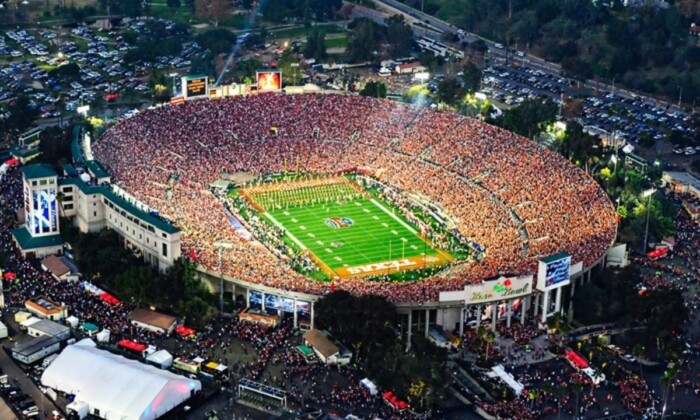
The venue itself has become central to the American football experience. Stadium design ranges from frozen outdoor fields to fully enclosed entertainment palaces. Each venue shapes fan atmosphere, team identity, and even in-game strategy.
Historic Shrines
Iconic venues such as Lambeau Field in Green Bay and Arrowhead Stadium in Kansas City earned fame for harsh weather, passionate crowds, and deep community roots. Playing on a frozen surface or inside deafening noise gives home teams a genuine advantage. This edge matters most late in the season when playoff positioning is at stake.
Modern Marvels
Newer facilities like SoFi Stadium in Los Angeles and Allegiant Stadium in Las Vegas feature retractable roofs, enormous video boards, and premium amenities. Architects engineer their acoustics to amplify crowd noise while keeping fans comfortable for hours. These venues have become destinations in their own right and attract visitors far beyond the local fan base.
Read more: Best Football Stadiums in the USA
Season Structure: Teams, Schedule, and Playoffs
The NFL consists of 32 franchises split into two conferences. These are the American Football Conference and the National Football Conference. Each conference further divides into four divisions organized by geography and historical rivalry.
Regular Season
Teams play a 17-game regular season. Each team faces its division rivals twice. A formula then rotates them through other opponents to balance fairness and variety. Regular-season performance determines playoff seeding within each conference.
Playoff Format
The postseason begins with a bracketed tournament that culminates in the Super Bowl. The current format includes seven teams from each conference. More fan bases now stay engaged deeper into January than in earlier eras.
Read more: How Do the NFL Playoffs Work? and How Many Teams Make the NFL Playoffs?
Key 2026 Dates
Preseason typically kicks off in early August. Teams evaluate rookies and test depth-chart competitions. The regular-season opener takes place in early September and traditionally features the defending Super Bowl champion. The regular season wraps in early January. The playoffs follow, with the Super Bowl played in early February. For a quick reference on every franchise, see the full NFL teams alphabetical list.
Analysis: How the Modern Game Is Evolving
American football is in a period of steady evolution rather than revolution. Offenses continue to stretch defenses horizontally and vertically. Coaches borrow concepts from the college game while retaining pro-style discipline. Motion before the snap, run-pass options, and multi-tight-end formations have all become more common as teams search for mismatches.
Defenses have responded with more hybrid players. These athletes can cover, blitz, and defend the run from multiple alignments. The line between traditional linebackers and safeties has blurred. This shift produced a generation of versatile defenders built to match modern offenses.
Rule changes continue to emphasize player safety. New rules target head contact, kickoffs, and quarterback protection. These adjustments shape how players tackle, block, and hit. They have also extended careers at several positions. The combined effect is a faster, more skill-driven game that still rewards physicality within clearly defined limits.
Frequently Asked Questions
Why do players huddle before a play?
The huddle allows the offense a private space to receive the play call. Teams also confirm protections and align responsibilities. Some teams run no-huddle or hurry-up offenses to keep defenses from substituting.
What exactly is a down?
A down is one attempt by the offense to gain yardage. Teams have four downs to gain at least 10 yards and earn a fresh set. If they fail, they typically punt or attempt a field goal depending on field position.
How many players are on the field during a play?
Each team fields 11 players, for a total of 22 on the field at any moment. Substitutions happen frequently, especially between offense, defense, and special teams units.
How do you score points in American football?
Teams score through touchdowns worth six points, extra points worth one, two-point conversions worth two, field goals worth three, and safeties worth two. Touchdowns deliver the highest value in a single action.
How long is an NFL game and season?
Each game includes four 15-minute quarters, but stoppages stretch the broadcast to about three hours. The regular season features 17 games per team. The playoffs and Super Bowl follow in January and early February.
Why is American football called football?
The sport grew out of rugby and soccer-style games collectively known as football in the 19th century. American rules diverged, but the name stayed. The style of play became distinctively its own.
When did the NFL begin?
The league’s origins date to 1920. Team owners formed the American Professional Football Association in Canton, Ohio. They renamed it the National Football League in 1922. The league has expanded and reorganized several times since.
Conclusion
American football rewards patience and study. The rules, positions, field dimensions, and historical context all connect. Together, they form a sport far more strategic than its surface violence suggests. Once you understand downs, scoring, and the structure of the season, every broadcast becomes easier to follow.
Looking ahead, the 2026 season continues trends that define the league’s modern era. Spread offenses, versatile defenders, safer tackling techniques, and a playoff format built for competitive stakes all shape the year. Whether you are a new fan finding your footing or a longtime follower brushing up on the fundamentals, the pillars of the game remain the same. Eleven players, four downs, and 60 minutes decide who wins.
