


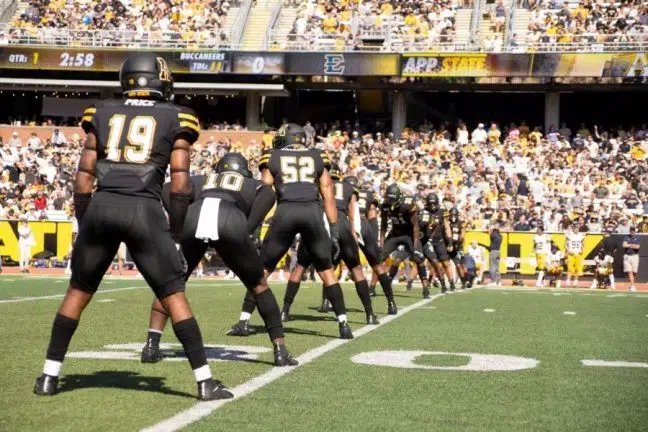
The crowd roars. Helmets collide. A perfectly arced pass spirals into a receiver’s hands—this is American football. The game is more than just a clash of athletes. It’s a strategic battle over 100 yards, a dynamic chess match. Every player on the field, from the hulking lineman to the nimble wideout, performs a meticulously defined role. For the uninitiated, the complexity of the different positions in American football seems overwhelming. This guide isn’t just about offense and defense; it’s a symphony of specialized tasks. Each one is critical to the outcome.
This comprehensive guide dissects the complex world of American football positions. It reveals not just who stands where, but why. We investigate the evolving responsibilities, pivotal plays, grueling demands, and inherent risks defining these athletic gladiators. From the strategic mastermind under center to the unsung heroes in the trenches, understanding these roles is key. It allows you to truly appreciate the beautiful brutality of the sport that captivates America. We explore the complexity of these American football positions and their indispensable contribution to winning a Super Bowl.
American Football Positions on Offense: The Architects of Yardage and Scoring
No single American football position commands more attention, scrutiny, or glory than the Quarterback (QB). He stands as the undisputed leader of the offense, the field general with the ball in his hands on almost every snap. His role transcends mere passing; it demands decision-making under immense pressure. He must read defenses, execute plays, and inspire the entire unit.
A great QB requires a unique blend of physical talent—arm strength, accuracy, and mobility. They must couple this with supreme mental fortitude. QBs interpret complex defensive alignments in split seconds. They make pre-snap adjustments, often calling an “audible.” Then, they deliver the ball with precision into tight windows. The offensive coordinator calls the play, but the QB breathes life into it. He frequently makes spontaneous adjustments based on his understanding of the defense. A botched read leads to a turnover. A perfect one results in a game-winning touchdown in a Super Bowl game.
The Skill Positions: Speed, Agility, and Elusiveness
Beyond the QB, the offensive skill positions of football create most of the highlight-reel magic.
- Running Backs (RB): The Ground Attack’s Engine
The Running Back is the primary ball carrier. His task is gaining yardage on the ground. This position requires a bruising combination of strength to break tackles and vision to find open lanes. They also need speed to outrun defenders. RBs are crucial in the passing game and often provide vital pass protection. Their demands are brutal, but a dominant runner’s impact in controlling the clock and setting up play-action passes is monumental.
- Wide Receivers (WR): Aerial Artists and Route-Running Technicians
Wide Receivers are targets for the QB’s passes. They use speed, agility, and precise route running to get open. Their job involves more than just catching the ball; they must create separation from tenacious defensive backs. Route trees are complex. WRs must master various cuts, fakes, and speeds to deceive defenders. Knowledge of deep patterns like a wheel route is essential for both the receiver and the defender. After the catch, they become ball carriers, seeking to turn a reception into an explosive gain.
- Tight Ends (TE): The Hybrid Powerhouse
The Tight End is arguably one of the most physically demanding and versatile American football positions. A tight end must block like an offensive lineman on running plays. They must also run routes and catch passes like a wide receiver. This dual responsibility requires a unique skill set: the strength to engage defensive ends and the athleticism to get open against defensive backs. Their versatility makes them indispensable in modern offenses, often determining a team’s success in the red zone.
The Offensive Line: The Unsung Heroes in the Trenches
The Offensive Line (OL) consists of five players. It is often overlooked but remains absolutely foundational. Their mission is simple yet critical: protect the quarterback and create running lanes for the running backs. The offensive tackle is the position in American football requiring the most consistent effort.
- Center, Guards, and Tackles: The OL works as a cohesive unit. They communicate constantly to counter defensive alignments. The Left Tackle (LT) is especially vital; he protects the quarterback’s blind side against the defense’s most dangerous edge rushers. Their job is a continuous battle against formidable defensive linemen and blitzing linebackers. The outcome is a true war of attrition on every play.
American Football Positions on Defense: Pressure, Coverage, and Chaos Execution
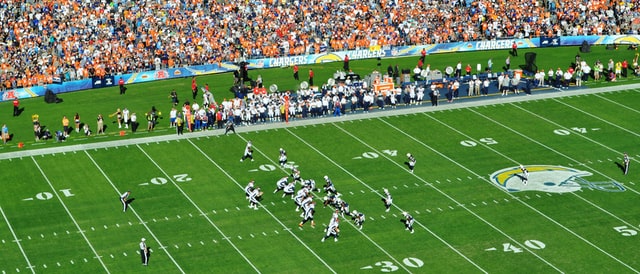
Defensive side of football American football features specialized positions in football defense. These roles are designed to stop the offense and regain possession.
The Defensive Line: The First Line of Attack
The Defensive Line (DL) is the vanguard. Their role involves disrupting the offense at the attack point. Their main jobs are to put pressure on the other team, stop the run, and cause trouble.
- Defensive Tackles (DT) and the 3-Technique: DTs operate from the interior. They aim to penetrate the offensive line and pressure the QB. A specialist alignment like the 3-Technique (lining up in the gap between the offensive guard and tackle) is a crucial role. It is designed to disrupt interior blocking schemes and create pressure.
- Defensive Ends (DE): These players rush the passer from the edges. They aim to contain outside runs and sack the QB. They require a combination of speed, power, and an array of pass-rushing moves.
Linebackers (LB) and Defensive Backs (DBs): The Secondary Command
Linebackers and Defensive Backs are the field generals and cover artists, respectively. They are responsible for the vast majority of defensive adjustments and turnovers.
- Linebackers: They are the heart of the defense, They call defensive signals and react to both run and pass plays. Many consider them to play one of the hardest positions in football due to the required combination of size, speed, and intelligence.
- Defensive Backs (Cornerbacks & Safeties): They are the last line of defense. Cornerbacks cover receivers. Safeties (Free and Strong) provide deep coverage and run support. Their battle against the WRs and TEs is often the most critical matchup of any super bowl clash.
The Aggressive Play: Understanding the Blitz
One of the most exciting and disruptive defensive plays is the blitz. Additional defenders beyond the traditional defensive linemen rush the quarterback. This aggressive tactic aims to overwhelm the offensive line. It forces quick throws or generates sacks. While exhilarating, a failed blitz in football leaves the defense vulnerable to big plays.
Game Management: Rules, Penalties, and Special Teams Positions
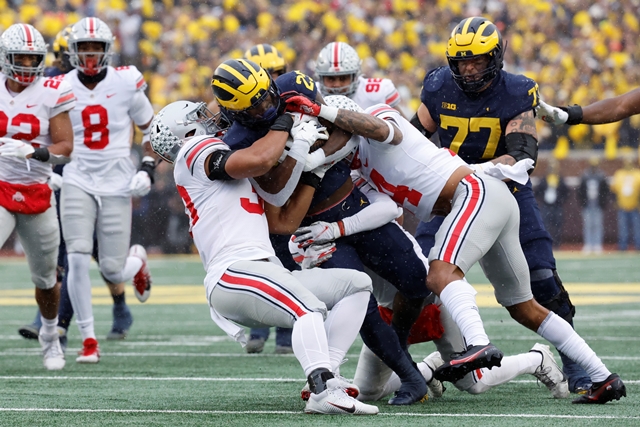
Understanding the rules and the specialized unit known as Special Teams is essential for true comprehension of football in America.
Navigating the Rulebook: Downs and Penalties
The down system lies at the core of the game. The offense receives four downs to advance the ball at least 10 yards. Success results in a first down. This act resets the count and allows the drive to continue.
- Pre-Snap Infractions: Penalties like offside and encroachment are common 5-yard fouls. They result from the defense’s eagerness to attack. Understanding what is offside in football versus what is encroachment in football is key for fans.
- Safety and Serious Fouls: The chop block, an illegal and dangerous block, carries a 15-yard penalty. It is strictly enforced due to its high risk of knee injury. Knowing what a flag in football is a basic requirement for following the game.
Special Teams: The Hidden Unit
Special Teams units are often overlooked. Nevertheless, they are vital to success in American football. These units handle all kicking plays—kickoffs, punts, field goals, and extra points.
- Kickers, Punters, and Returners: These specialized American football positions dictate field position. They flip momentum and can dramatically affect the scoring outcome. The mechanics of a touchback are crucial to field-position strategy. A touchback results in the ball being placed at the 25-yard line on a kick. For more, see what a touchback is in football.
Player Safety and the Future of American Football Positions: CTE
The full-contact nature of American football necessitates a focus on player well-being. CTE (Chronic Traumatic Encephalopathy) has become a significant and necessary topic in the sport. It is a degenerative brain disease linked to repeated traumatic brain injuries. The ongoing conversation about what CTE is in football and the league’s evolving safety protocols reflects a commitment to the health of its athletes. These players drive the passion for the NFL Super Bowl.
Frequently Asked Questions About American Football Positions & Plays
What are the three main units in American Football, and how many players are on the field at once?
The three units are Offense, Defense, and Special Teams. Eleven players from each team are on the field at once.
What is a Quarterback’s (QB) primary role and decision-making process?
The QB’s primary role is to execute the play. He must read the defense, make quick decisions on throwing, or call an audible before the snap.
What is a Tight End (TE) and why is it considered the most versatile position?
A Tight End (TE) is a hybrid position. He must be skilled enough to block like a lineman and athletic enough to catch passes like a receiver. This makes him the most versatile player.
What is the difference between a Nose Tackle (NT) and a Defensive Tackle (DT)?
A Nose Tackle (NT) aligns over the Center. He focuses on occupying two blockers. A standard Defensive Tackle (DT) aligns over the Guard to penetrate the line and pressure the QB.
What is a “3-Technique” (3-Tech)?
The 3-Technique is a specific Defensive Lineman alignment. The player positions himself in the gap between the offensive Guard and Tackle (the B-gap) to maximize interior penetration.
What is a “Blitz” and who executes it?
A Blitz is a defensive play. Linebackers or Defensive Backs (players outside the defensive line) execute it. They rush the QB to overwhelm the offensive line and force a quick play or sack.
What are the key differences between “Downs” and a “First Down”?
A Down is one unit of play (the offense gets four attempts). A First Down is achieved when the offense advances the ball 10 or more yards, which resets the down count.
Explain the difference between an “Offside” and “Encroachment” penalty.
Both are 5-yard pre-snap penalties. Offside means a defensive player is illegally positioned but makes no contact. When a defensive player touches an opponent prior to the snap, it’s called encroachment.
What is a “Chop Block”?
A Chop Block is an illegal, 15-yard penalty. It occurs when two offensive players block the same defender high and low simultaneously. The rule bans this dangerous play for safety reasons.
What does a “Touchback” mean?
A Touchback occurs when the ball is ruled dead in a team’s own end zone. The ball is then spotted at the 25-yard line (kicks) or 20-yard line (interceptions) to begin the next drive.
Why is the Left Tackle (LT) considered the second most important position on Offense?
The Left Tackle is vital because he must protect the quarterback’s blind side against the opposing defense’s top pass rusher.
What is CTE and why is it a major topic in football?
CTE (Chronic Traumatic Encephalopathy) is a degenerative brain disease. It is linked to repeated head impacts. It remains a major topic because it highlights the serious, long-term health risks for players and drives safety reforms.
What are the main roles of Special Teams?
The main roles of Special Teams are handling all kicking plays, including field goals, punts, and kickoffs. They also return the ball to influence field position.
The Unseen Art of Football: Analyzing All American Football Positions
Understanding American football positions goes far beyond memorizing a roster. It’s about appreciating the individual battles, the collective strategy, and the incredible athletic feats that unfold on every down. Each player, from the star quarterback to the long snapper, contributes to the complex pattern that defines the game. The evolution of football continues. New coaching philosophies, athletic breakthroughs, and a constant quest for advantage drive it forward.
Nevertheless, the game remains a contest of wills, skill, and strategic execution at its core. For every NFL fan, exploring the nuances of these roles enriches the experience. It transforms casual viewing into a sophisticated appreciation of one of America’s most beloved and enduring sports. The next time you watch a game, pay closer attention to the individual roles. You’ll discover a deeper layer of drama, strategy, and pure athletic genius that defines football in America.
