


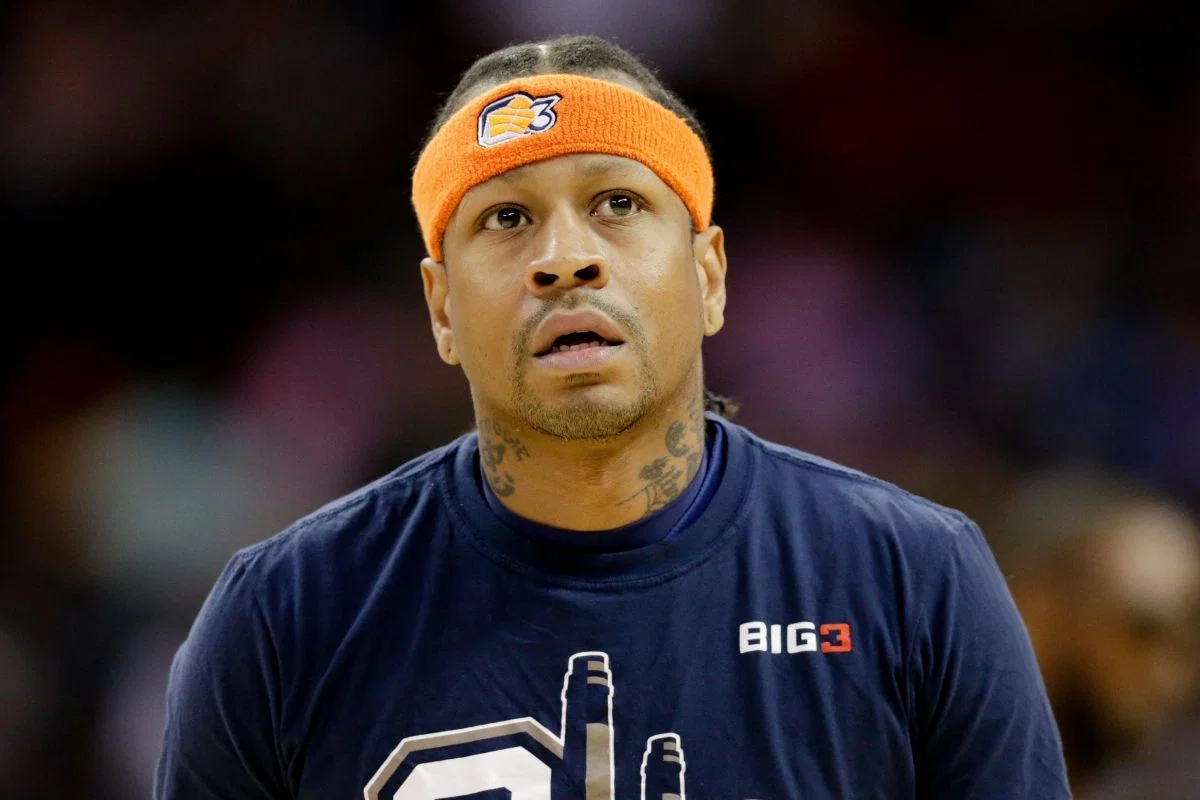
Allen Iverson earned approximately $154.5 million in NBA salary during a career that made him one of basketball’s defining cultural and athletic icons. Yet his financial trajectory extends well beyond his playing contracts. Reports of severe financial pressure surfaced during his 2012 divorce proceedings, when disclosed monthly outlays drastically outpaced his reported income. Simultaneously, an unprecedented lifetime endorsement agreement with Reebok introduced an entirely separate dimension to his long-term finances, featuring an annual stipend widely reported at $800,000 and a $32 million trust scheduled to mature in 2030.
Iverson’s net worth is commonly estimated at roughly $1 million, though that figure should not be interpreted as an audited accounting of his cash reserves, investments, or contractual assets. His financial history illustrates the critical distinction between generating generational gross revenue and preserving long-term wealth.
| Financial Indicator | Reported Figure & Details |
|---|---|
| Estimated Net Worth | Approximately $1 Million (Baseline estimate) |
| Career NBA Playing Salary | Approximately $154.5 Million |
| Reebok Annual Payment | Widely reported at $800,000 / year |
| Reebok Deferred Trust | Reported at $32 Million |
| Trust Maturity Date | June 7, 2030 (Age 55) |
| Corporate Partnership | Appointed Vice President, Reebok Basketball (2023) |
NBA Salary Progression: How Iverson Earned Approximately $154.5 Million
Selected first overall by the Philadelphia 76ers in the 1996 NBA Draft, Iverson made an immediate commercial and competitive impact. Over 14 seasons with the 76ers, Denver Nuggets, Detroit Pistons, and Memphis Grizzlies, basketball salary records report his on-court earnings at approximately $154.5 million.
His compensation grew through multiple veteran contract extensions:
- Philadelphia 76ers (1996–2006, 2009–2010): Generated approximately $98 million in Philadelphia across an initial rookie contract, a six-year rookie scale extension, and a subsequent maximum veteran extension.
- Denver Nuggets (2006–2008): Collected roughly $36 million following his mid-season trade to Denver.
- Detroit Pistons (2008–2009): Earned his career-high single-season salary of approximately $20.8 million.
- Memphis Grizzlies & Final Philadelphia Return (2009–2010): Concluded his active NBA career with short-term veteran agreements totaling approximately $1.2 million.
In addition to his NBA compensation, commercial endorsements with global sportswear, telecommunications, and consumer brands significantly expanded his gross career revenue.
| Franchise Stint | Playing Seasons | Total Approximate Earnings |
|---|---|---|
| Philadelphia 76ers | 1996–2006; 2009–2010 | ~$98.3 Million |
| Denver Nuggets | 2006–2008 | ~$36.2 Million |
| Detroit Pistons | 2008–2009 | ~$20.8 Million |
| Memphis Grizzlies | 2009 | ~$0.2 Million |
| Total Career NBA Salary | 1996–2010 | ~$154.5 Million |
What Happened to Allen Iverson’s Fortune?
Despite elite career earnings, reports of serious financial strain emerged shortly after Iverson’s active playing career ended. Documents submitted during his 2012 divorce proceedings in Fulton County, Georgia, outlined a severe mismatch between recurring cash flow and fixed monthly liabilities.
According to court filings reported at the time, Iverson disclosed a monthly income of roughly $62,500, contrasted against monthly expenditures exceeding $360,000:
- Creditor & Debt Obligations: Roughly $125,000 per month dedicated to outstanding mortgages and commercial creditors.
- Discretionary Overhead: Approximately $30,000 per month divided between dining, entertainment, apparel, and household expenses.
- Property Liabilities: Protracted real estate defaults, culminating in the 2013 foreclosure of his Atlanta-area residence.
These disclosures, alongside documented legal judgments from creditors and unpaid retail accounts, created widespread public perception that the former superstar faced total insolvency.
The Allen Iverson Reebok Deal: The Lifetime Structure
The presumption of complete financial ruin overlooks a major corporate partnership established at the height of Iverson’s career. In 2001, following his regular season MVP award and run to the NBA Finals, Reebok converted Iverson’s original shoe contract into an expansive lifetime endorsement agreement.
The agreement introduced long-term structural provisions:
- The Guaranteed Annual Stipend: Reebok agreed to pay Iverson an annual sum widely reported at $800,000 for life. This ongoing disbursement provides baseline liquidity independent of playing status or commercial visibility.
- The Deferred Capital Trust: Reebok established a reported $32 million trust fund that remains locked until Iverson reaches age 55 on June 7, 2030.
The contract was structured to prevent early liquidation, establishing a post-career safety net that could not be exhausted during his active playing years.
The $32 Million Reebok Trust and the Divorce Settlement
The eventual distribution of the $32 million trust became a focal point during Iverson’s 2012–2013 divorce from his former wife, Tawanna Turner.
Numerous sports and business reports have stated that the finalized settlement divided rights to the trust, with Turner reportedly entitled to half the proceeds upon maturity. However, because private marital property settlements and corporate escrow agreements are not fully accessible public records, the exact division, administrative fees, and net payouts cannot be verified with absolute certainty until the contract formally matures on June 7, 2030.
What remains clear is that the deferred trust serves as an ironclad safeguard, guaranteeing that an eight-figure asset will distribute to the parties regardless of prior financial volatility.
Iverson’s Business Activities After Basketball
In recent years, Iverson has leveraged his cultural staying power into verified executive and commercial partnerships.
- Reebok Basketball Leadership: In October 2023, Reebok appointed Iverson as Vice President of Reebok Basketball, working alongside brand President Shaquille O’Neal to guide athlete recruitment, grassroots partnerships, and basketball operations.
- Retro Footwear Relevance: Decades after their initial launch, signature footwear lines including The Question and The Answer continue to see active retail releases, extending into contemporary crossover apparel and golf footwear.
- Commercial Partnerships: Outside of traditional sportswear, Iverson partnered with Viola Brands, a cannabis and lifestyle enterprise founded by former NBA player Al Harrington, on product initiatives and co-branded merchandise.
Allen Iverson’s net-worth trajectory highlights the distinct difference between high-volume career earnings and disciplined asset preservation. While acute spending pressures significantly reduced his liquid fortune, the structural design of his 2001 Reebok partnership ensures that his financial story concludes with institutional security rather than insolvency.