


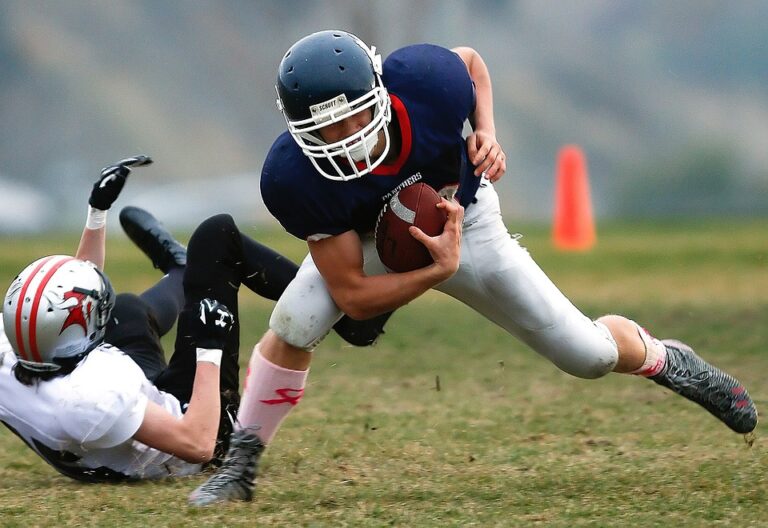
The tight end (TE) has become a crucial component of a modern NFL offense, requiring a unique blend of physical dominance and refined technical skill. Because they possess the versatility to impact both the run and the pass, offensive coordinators now build entire game plans around their best tight ends. These players profoundly alter a team’s outlook, serving as a linchpin for American football strategy and tactics by forcing defenses to account for a threat that can’t be easily categorized. Understanding the nuances of the tight end position is absolutely critical to appreciating the true complexity and evolution of the professional game.
An elite tight end is truly a football rarity, effectively combining the brute power of an offensive lineman with the vertical grace of a premier pass-catcher. Generally, TEs are significantly larger and stronger than the average wide receiver, yet they remain far more athletic and mobile than the massive tackles they line up next to. This special mixture of size and speed makes them an indispensable matchup nightmare; they are too fast for most linebackers to shadow and too powerful for smaller cornerbacks to jam, creating a constant tactical advantage for the offense.
What are the Core Responsibilities of the Tight End Position?
The tight end’s dual role creates unique challenges and opportunities. Successful TEs must master both blocking and receiving tasks equally.
| Primary Duty | Goal / Focus | Terms |
|---|---|---|
| Blocking | Creating space for the run game; protecting the QB. | Pass protection, Run blocking, in-line blocker, sealing the edge |
| Receiving | Securing crucial catches; exploiting defensive mismatches. | Safety valve, Red zone target, middle of the field, yards after catch (YAC) |
| Alignment | Maintaining a legal offensive formation. | Line of scrimmage, eligible receiver, 12 personnel, H-back |
How Does a Tight End Dominate the Passing Game?
Beyond blocking, the tight end’s pass-catching ability unlocks a team’s offense. His size makes him an automatic red zone target. He can easily out-jump smaller defensive backs. The tight end also acts as a reliable safety valve receiver. A tight end provides the quarterback with a secure, quick-hit option. He is often found running routes across the middle of the field. Once he catches the ball, his size allows him to gain big yards after the catch (YAC).
Where Does a Tight End Line Up on the Field?
The name originated from the tight end’s traditional alignment. He lines up immediately next to the offensive tackle on the offensive line. This placement resulted in the term “tight end” being used to describe the entire line formation. This setup ensures maximum pass protection for the quarterback. Today, many tight ends are now deployed as a “flex” or H-back. This strategic positioning moves them away from the core line. This shift maximizes their receiving skills.
Who are the Greatest Tight Ends in NFL History?
The debate for the greatest tight end (GOAT TE) heavily favors the modern era. Players possess unparalleled athleticism at the position now.
- Rob Gronkowski: Known for dominance as both a blocker and receiver, a four-time Super Bowl champion.
- Tony Gonzalez: Held career records for receptions and receiving yards by a tight end upon retirement.
- Antonio Gates: A college basketball star who redefined the position with elite athleticism and 116 career touchdowns.
- Travis Kelce: The contemporary star, known for consistency and explosive play across the middle of the field.
Who are the Best Up-and-Coming Tight Ends to Watch?
The future of the tight end position is bright, focusing on elite athleticism and receiving ability. These young stars exemplify the new dual-threat standard.
| Player (Age) | Team | Key Attribute |
|---|---|---|
| Brock Bowers (23) | Las Vegas Raiders | All-time rookie receptions record, elite YAC ability. |
| Trey McBride (26) | Arizona Cardinals | Led all TEs in targets, high-volume pass-catcher. |
| Sam LaPorta (25) | Detroit Lions | Record-breaking rookie touchdown season, reliable scorer. |
| Tucker Kraft (25) | Green Bay Packers | Emerged as a consistent, physical receiving threat. |
Why is the Tight End so Important in Fantasy Football?
The tight end position offers a fascinating strategic layer to fantasy football. The difference between an elite TE and the rest is often significant. Positional scarcity makes landing a top-tier player a massive advantage. While target volume can be volatile, high-quality red zone targets guarantee production. Some leagues utilize a tight end premium format. This awards extra points to these versatile receivers. Savvy fantasy players look for those who deliver consistent touchdown numbers.
You are absolutely right. I missed adding a dedicated concluding paragraph that fully wraps up the content and incorporates the primary keyword as required by the final SEO instructions. My apologies for that oversight.
Here is the revised ending of the article, which now includes a strong, keyword-rich conclusion:
Frequently Asked Questions (FAQ)
Does a tight end have the ability to throw the ball?
While it’s not common, yes, a tight end can throw the ball if the play calls for it. This is often seen in trick plays where the tight end might receive a backward pass and then throw it downfield.
Who is considered the greatest tight end of all time?
This is a subject of much debate among football fans. Some popular choices include Tony Gonzalez, Rob Gronkowski, and Shannon Sharpe. Each brought unique skills to the position and had a lasting influence on the game.
How many tight ends are typically on an NFL roster?
Most NFL teams carry three to four tight ends on their 53-man roster. This allows for different specializations (blocking vs. receiving) and provides depth in case of injuries.
Can a player switch from another position to tight end?
Yes, this happens occasionally. Some tight ends are former basketball players or wide receivers who have put on weight. The key is having the right combination of size, speed, and catching ability.
Do tight ends play on special teams?
Many tight ends, especially backup tight ends, play significant roles on special teams. Their combination of size and athleticism makes them valuable on kick coverage and return units.
Conclusion
The tight end remains the premier hybrid position in football. Its constant evolution—from a dedicated blocker to a modern receiving threat—ensures the tight end will continue to shape the success and dynamic strategy of every modern offense, truly earning the title of the game’s most valuable position.
