


Discover the top 10 worst teams in NFL history, ranking the most disastrous seasons from winless flops to competitive failures, based on a combination of record, catastrophic statistical awfulness, and the long-standing tradition of NFL franchise futility. These squads represent the league’s greatest all-time failures.
Our Ground Rules for Ranking the Worst NFL Teams Ever
To ensure this list represents the most historically inept seasons, we applied several critical exclusions and ranking factors:
- Exclusion of Early Expansion Years: The first three seasons of any new franchise were ineligible. This is fair to new teams getting their affairs in order. We excluded teams like the 1960 Dallas Cowboys and the notorious 1976 Tampa Bay Buccaneers (0-14, their inaugural season).
- One Entry Per Franchise: Only the single worst season for any given franchise (Browns, Lions, Buccaneers, etc.) was selected, focusing on the ultimate low point.
- The Contextual Awfulness Factor: While winning percentage was the primary factor, the final ranking order was determined by perceived awfulness as measured by the Simple Rating System (SRS) and Average Margin of Defeat (MOV).
1944 Chicago/Pittsburgh Cardinals–Steelers (Card-Pitts) (0-10)
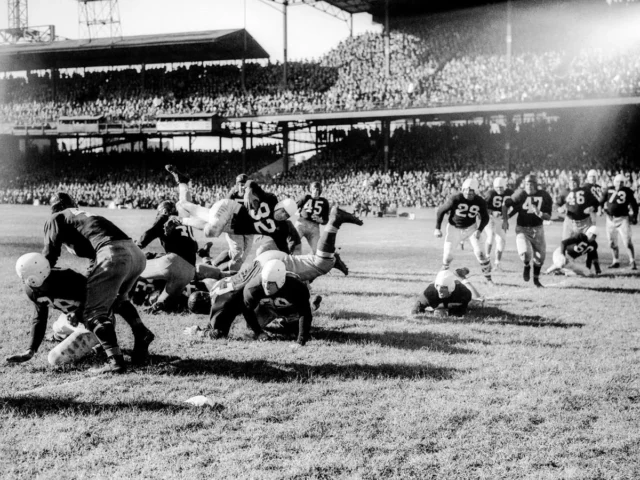
The merged ‘Card-Pitts’ team represents the benchmark for pure NFL ineptitude. Due to historical context and unparalleled statistical failure, this is the definitive worst team on our list.
The Good
The merger itself was a necessity because of World War II manpower shortages, ensuring two franchises survived the era. Despite their final record, they remained competitive in the season opener, ultimately losing 30-28 to the Cleveland Rams. They engaged in a brief altercation before things rapidly escalated.
The Bad
Their passing game resulted in -1.66 Adjusted Yards Per Pass Attempt (AY/A) for the entire season, a statistically absurd figure meaning passing was worse than running. They also established one of the dubious NFL records for futility by averaging a historically awful 32.7 yards per punt, the worst mark in history.
The Ugly
The Card-Pitts’ -220 worst scoring differential in the NFL in a 10-game season is shocking, equating to a -22.0 average margin of defeat—an all-time record for average losing margin. They threw a staggering 41 interceptions, a 15.9\% interception rate, making their worst turnover margins in the NFL completely crippling.
1942 Detroit Lions (0-11)
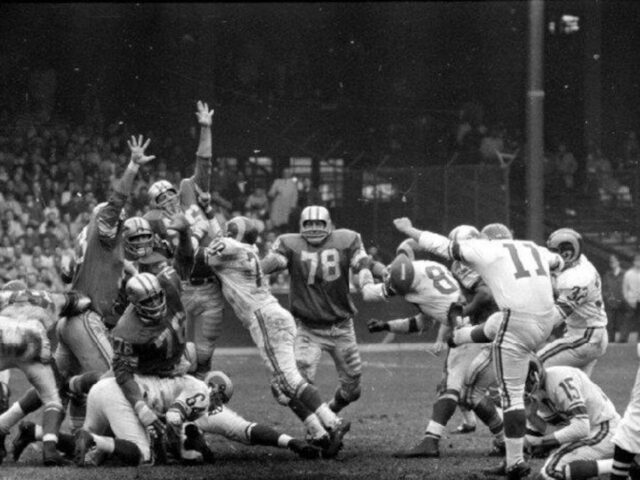
Finishing winless in an 11-game season, this team is easily one of the all-time worst football teams based on their catastrophic offensive output and scoring margin.
The Good
Historically, most people reference the 2008 0-16 Lions as the franchise low, making this 1942 squad’s failure slightly less infamous in popular culture. Their defense was better than other teams on this list, but the offense couldn’t capitalize.
The Bad
The team featured one of the lowest-scoring NFL offenses ever, scoring only 38 total points in 11 games—an appalling 3.45 points per game, the lowest in the NFL. Their offensive production was so poor in the NFL that they failed to score in five out of their eleven games.
The Ugly
The Lions’ -225 scoring differential meant they lost by an average of 20.5 points per game, rivaling the Card-Pitts for the worst losing margin in history. In a 42-0 loss to the Bears, the Lions committed a mind-boggling 12 turnovers, a record tied for the most in a single game ever.
the 1990 New England Patriots (1-15)
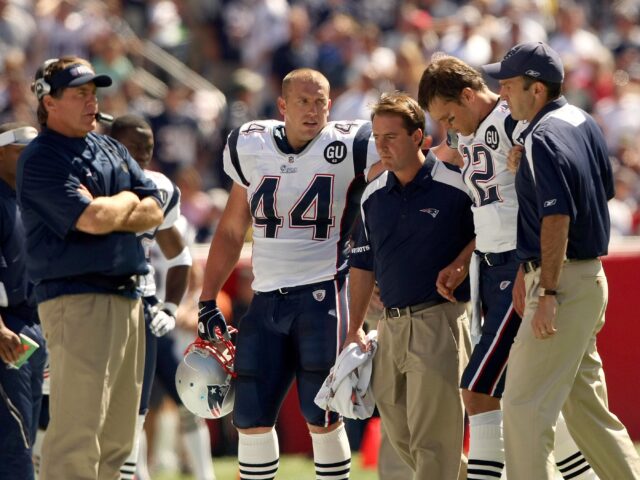
Team turmoil and abysmal performance combined for this truly catastrophic season, ranking among the worst NFL seasons in history due to its severe scoring differential.
The Good
The Patriots started 1-1, giving their fanbase fleeting hope. In their only win, they forced four interceptions, showing a brief glimpse of competence. Most impressively, in a Week 7 loss to the Dolphins, the team forced five turnovers but still managed to lose 17-10—a painful display of competitiveness until the bitter end.
The Bad
Head Coach Rod Rust finished his career with a 0.0625 winning percentage. The team’s quarterback situation, characterized by a constant rotation of veterans and young players, led to the lowest scoring differential in the NFL. They lost 14 straight games after Week 2—the severe and prolonged longest NFL losing streak for the franchise.
The Ugly
Their -265 scoring differential was the worst total of the 1990s and the third-worst in the AFL-NFL merger era up to that point. The team also experienced severe off-field turmoil, including a high-profile harassment incident involving a reporter, adding significantly to the season’s infamy and legacy of NFL franchise futility.
2009 St. Louis Rams (1-15)
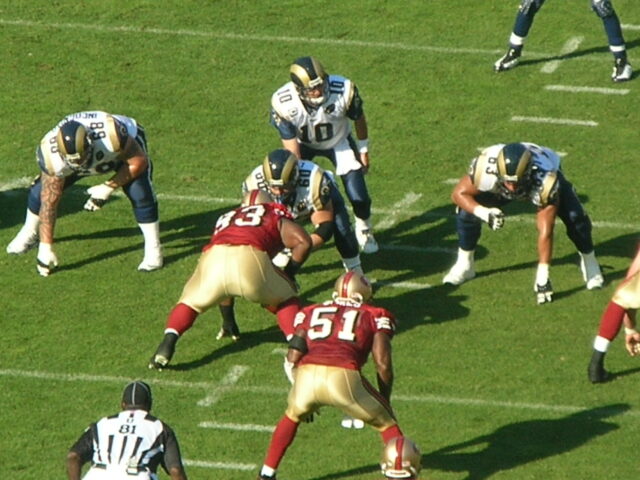
This modern-era team showcased a total organizational failure, and its statistical profile is among the worst of the post-Super Bowl era.
The Good
Running back Steven Jackson was a lone star, rushing for 1,416 yards and earning a Pro Bowl selection. His individual performance served as one of the few bright spots that prevented a complete meltdown, demonstrating that one player remained competitive until the very end.
The Bad
Despite Jackson’s efforts, the team averaged less than 280 yards and 11 points per game, highlighting a truly anemic offensive production in the NFL. They committed almost twice as many turnovers (33) as they scored offensive touchdowns (17), making them one of the lowest-scoring NFL offenses in the modern game.
The Ugly
This season was the lowest point in a half-decade of failure, part of an embarrassing stretch where the Rams suffered at least 13 losses in four out of five years. Their final -261 scoring margin cemented this year as the epitome of NFL ineptitude in a modern, salary-cap-regulated environment.
1991 Indianapolis Colts (1-15)
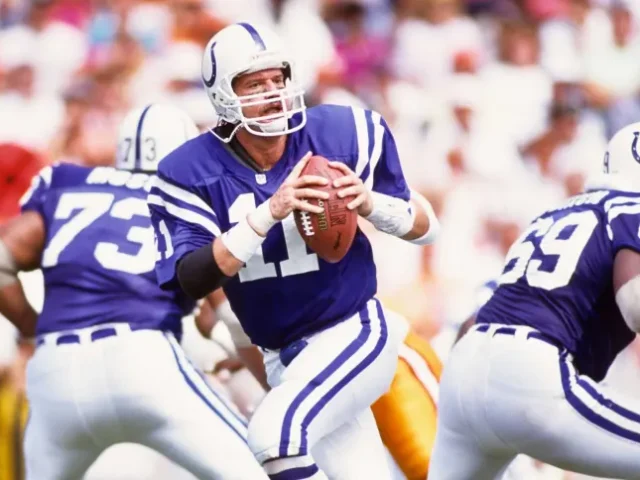
The Colts’ 1991 campaign was defined by total on-field disaster, ranking among the worst NFL seasons in history due to its severe turnover and scoring woes.
The Good
They avoided a winless season with a narrow Week 11 victory over the New York Jets, driven by a clutch kickoff return for a touchdown. This single game saved them from sharing the infamy of the 2008 Lions or 2017 Browns.
The Bad
Their offense was entirely inept, managing one of the lowest-scoring NFL offenses at just 8.9 points per game. They were only the second team in 16-game season history to average less than 10 points. Quarterbacks Jeff George and Jack Trudeau combined for 30 interceptions, a devastating figure.
The Ugly
The ultimate failure came after the season: they used the No. 1 overall pick in the 1992 NFL Draft on defensive end Steve Emtman, who became one of the biggest and worst No. 1 overall picks due to constant injuries, compounding the legacy of NFL franchise futility through a failed draft pick.
1973 Houston Oilers (1-13)
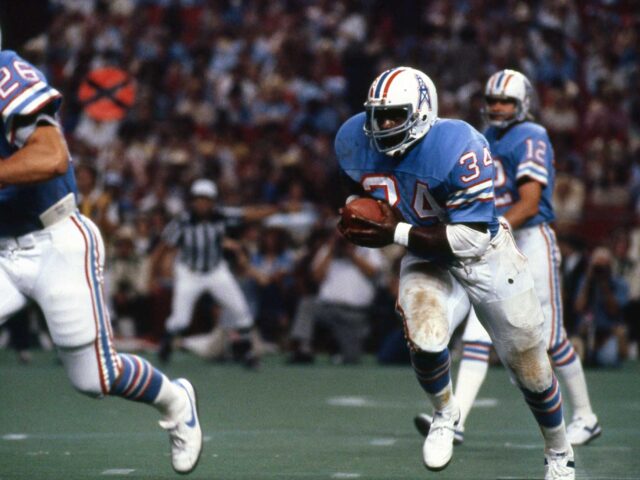
This terrible Oilers team, a product of chaotic management under Bud Adams, earned its rank due to an immense per-game scoring deficit in a 14-game schedule.
The Good
Despite the disaster, the team hired Hall of Famer Sid Gillman mid-season as head coach/GM. Furthermore, the Oilers managed to rebound quickly, finishing 7-7 the following year, which indicates that the situation escalated rapidly but was promptly resolved.
The Bad
The team allowed a record of 31.9 points per game, meaning the defense gave up at least 17 points in every single game of the season. Even with future Hall of Famer Elvin Bethea on the defensive line, the unit was disastrously porous.
The Ugly
The biggest failure was a disastrous franchise-altering bad trade: the Oilers traded away their 1974 1st- and 3rd-round picks for two minor veterans. This pick became the No. 1 overall selection, which the Dallas Cowboys used to draft Hall of Fame defensive end Ed “Too Tall” Jones, a catastrophic miscalculation.
2017 Cleveland Browns (0-16)
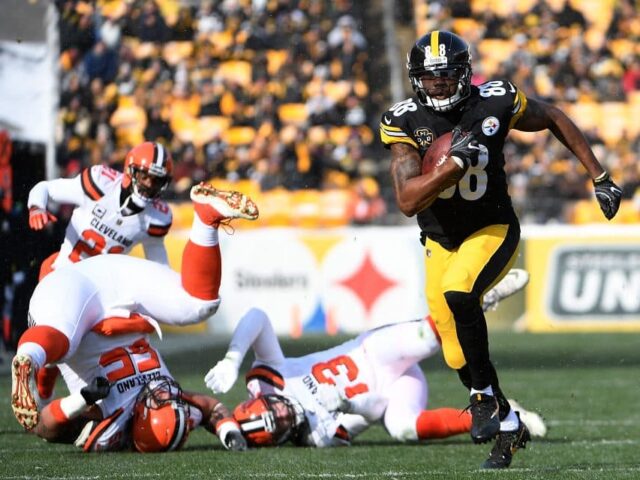
This Browns team became the second to finish a 16-game season completely winless, a monumental modern-era failure.
The Good
Despite losing only one game by more than 17 points, the Browns maintained their competitiveness throughout the season. Despite having no wins, their average margin of defeat was 11.0 points, which was better than the 2008 Lions.
The Bad
Quarterback DeShone Kizer threw a league-high 22 interceptions. They tied the worst turnover margins in the NFL in the merger era (-28), committing 41 total turnovers and forcing only 13. They went five straight games without a single takeaway.
The Ugly
Despite the team’s 1-31 record from 2016 to 2017, Hue Jackson, the head coach, enjoyed such protection in his position that his firing did not occur until the following season. Many cite this delayed move as a monumental coaching failure, further damaging the team’s standing.
1966 New York Giants (1-12-1)
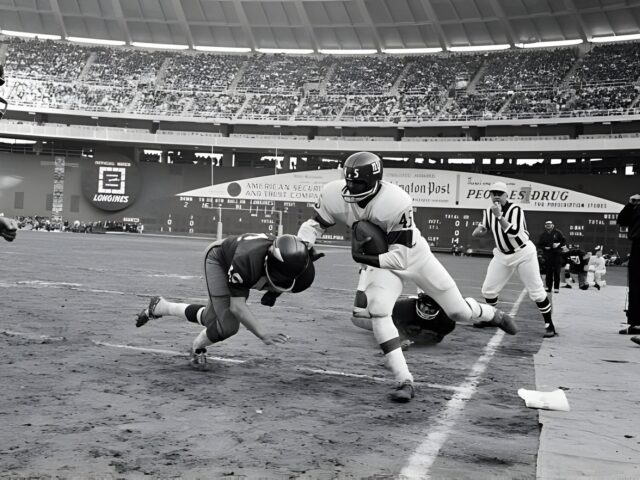
A once-proud franchise descended into disgrace, becoming one of the all-time worst football teams primarily due to their historically porous defense.
The Good
The Giants’ passing game was surprisingly productive, featuring three receivers—Homer Jones, Aaron Thomas, and Joe Morrison—who all managed over 680 receiving yards. This production was a byproduct of constantly trailing, but it offered some offensive firepower.
The Bad
This team featured arguably the worst defense in NFL history. They allowed 501 points in a 14-game season, equating to a horrendous 35.8 points per game allowed record. This catastrophic mark led the league by a massive margin.
The Ugly
The true measure of failure was the comparison to the expansion teams of the era. The Giants lost by double digits to the Atlanta Falcons, an expansion team that was barely competitive up until that point, demonstrating a true epitome of NFL ineptitude.
1954 Washington Redskins (3-9)
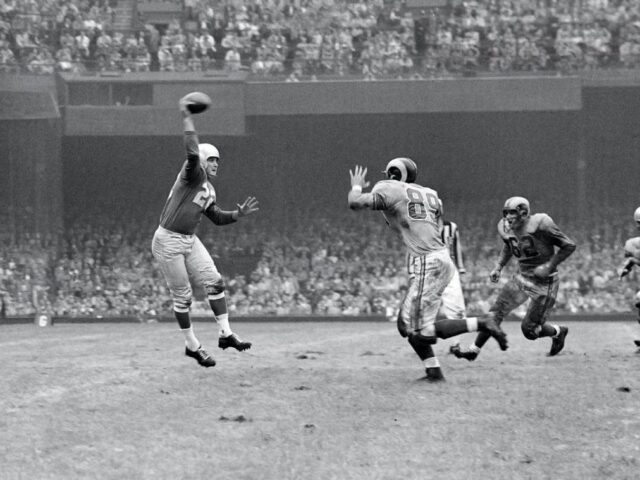
Despite winning more games than others on this list, Washington’s miserable season was characterized by massive statistical failures.
The Good
The team managed three wins in a 12-game season. Defensive back Dick Alban had a sensational season, intercepting nine passes, matching one of the top totals in the league that year.
The Bad
The Redskins finished with an SRS (Simple Rating System) score of -19.66, tying them with the infamous 1976 Buccaneers (0-14) for the worst SRS mark in Pro Football Reference history for a non-expansion team. They lost eight of their nine games by at least 17 points, showcasing consistent blowout losses.
The Ugly
The 62-3 loss to the Cleveland Browns encapsulated their failure. This loss, resulting in one of the worst scoring differentials in the NFL for a single game, highlighted the total collapse of their defensive unit and compounded the team’s low league rank.
1986 Tampa Bay Buccaneers (2-14)
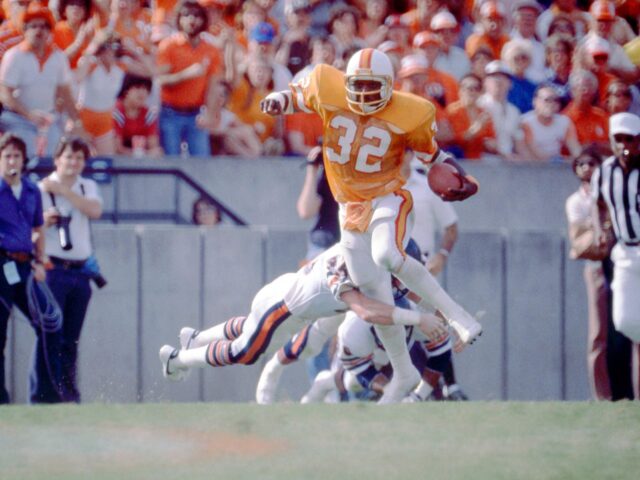
This team anchors our list as the tenth-worst team in NFL history, notable for its catastrophic quarterback play and long-term organizational errors.
The Good
The Buccaneers secured two early victories and remained competitive in several other games, ultimately losing five by less than two touchdowns.
The Bad
Quarterback Steve DeBerg threw 12 interceptions on only 96 pass attempts, resulting in a 12.5\% interception rate—the highest single-season interception rate among all post-merger QBs with at least 80 attempts. The constant turnovers doomed any chance of sustained success.
The Ugly
The ultimate organizational blunder was the decision to trade Hall of Fame quarterback Steve Young to the Buccaneers after the season. This move, combined with the earlier Bo Jackson draft fiasco and the subsequent failed Vinny Testaverde draft pick, set the team back for another decade of NFL franchise failures.
Era Context: When and Why NFL Teams Bottomed Out
Understanding the context of futility across the eras provides necessary depth:
- WWII Era (e.g., Card-Pitts, 1942 Lions): The primary cause was World War II manpower shortages. The NFL teams merged during WWII, like the Card-Pitts merged team, which was composed of reserve and aging players, leading to historically low statistical floors.
- AFL-NFL Merger Era (1960s-1970s): This period saw massive expansion, team struggles (like the 1976 Bucs, who were excluded by the rules) and teams like the 1966 Giants failing to adapt to the rising competition, as the AFL-NFL merger era teams improved league-wide quality.
- Modern Cap Era (Post-1994): In the salary cap environment, sustained failure is often attributed to failed NFL rebuilds, catastrophic coaching hires (like the Hue Jackson coaching record), and poor drafting, such as the worst No. 1 overall picks (Emtman).
The Worst Records and Stats in NFL History
This section identifies the ultimate statistical outliers in league history:
- Worst Defense in NFL History (14-Game Season): The 1966 New York Giants set the record by allowing 35.8 points per game.
- Lowest Scoring Team in NFL History (Total Points): The 1942 Detroit Lions scored only 38 points in 11 games.
- Worst Scoring Differential (All-Time): The 1944 Card-Pitts hold the worst average MOV at -22.0 points per game.
- Worst Turnover Season in the NFL: The 1944 Card-Pitts recorded an estimated -41 total turnovers, while the 2017 Cleveland Browns and 2000 Chargers hold the post-merger record with -28.
- Highest Interception Rate Season: The 1944 Card-Pitts threw 41 interceptions in 10 games, an unmatched per-game rate.
Final Verdict: The Worst of the Worst in NFL History
Measuring the worst NFL teams of all time is a contest of historical context and statistical extremes. The 1944 Card-Pitts ultimately stand as the statistical anomaly of pure futility, while modern squads like the 2017 Browns and 2009 Rams represent the most egregious organizational failures in the Super Bowl era. Defining the worst of the worst requires appreciating the unique disaster of each catastrophic season.
Frequently Asked Questions (FAQs)
Which NFL team is historically the worst?
The Tampa Bay Buccaneers hold the lowest all-time regular season winning percentage (.412). However, the 1944 Card-Pitts are statistically the worst single team, holding the all-time record for average margin of defeat (points per game). The Arizona Cardinals have the most total all-time losses.
Which NFL team went 20-0?
No NFL team has gone 20-0. The most wins a team has achieved in a single perfect season is 17-0, accomplished by the 1972 Miami Dolphins (14-0 regular season, 3 playoff wins). The 2007 New England Patriots were 18-1, losing in the Super Bowl.
Which NFL team had the worst season ever?
The 1944 Card-Pitts (0-10) hold the record for the worst statistical margin of defeat. In the modern era (16-game schedule), the 2008 Detroit Lions and the 2017 Cleveland Browns share the record for the most losses in a single season, both finishing 0-16.
How many NFL teams have gone 0-16?
Two teams have finished a full 16-game season with a winless record: the 2008 Detroit Lions and the 2017 Cleveland Browns. Several other teams were winless in shorter seasons, like the 1976 Tampa Bay Buccaneers (0-14).
Who has the longest championship drought in the NFL?
The team with the longest drought since winning any major league championship is the Arizona Cardinals, whose last title was in 1947 (as the Chicago Cardinals). The Detroit Lions hold the second-longest drought, last winning in 1957.
