


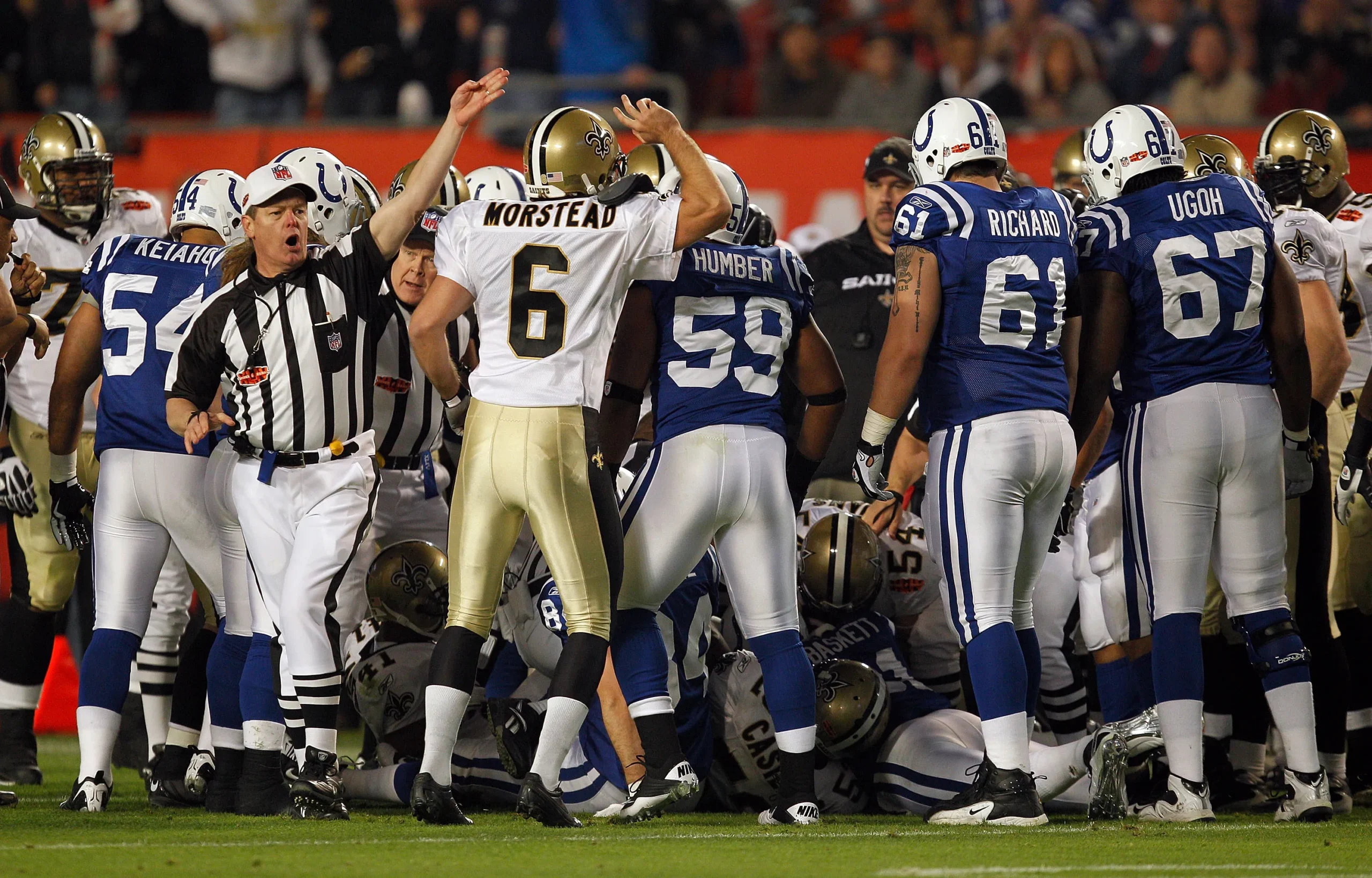
NFL owners approved several rule changes Tuesday at the Annual Meeting in Phoenix. These updates target kickoff rules, officiating accuracy, and roster flexibility. Meanwhile, stalled referee contract talks push the league toward replacement officials.
Teams gain new freedom with onside kicks. Kicking teams can declare them at any point now. Previously, only trailing sides in the fourth quarter qualified. This shift adds strategy throughout games.
Another tweak eliminates out-of-bounds loopholes. Kicks from the 50-yard line are now spotted at the 20 if they go wide. That removes the old 25-yard advantage. Receiving teams align just five players on the restraining line, down from six in the setup zone.
These build directly on the dynamic kickoff from 2024. That reform clustered players together to reduce injuries by over 50%. Still, refinements continue. Coaches adapt schemes as a result.
NFL owners have approved a rule change allowing the league to step in and assist on potential disqualifications, whether for flagrant football acts or non-football acts, and initiate a flag if one wasn’t thrown.
— Adam Schefter (@AdamSchefter) March 31, 2026
Situations like DK Metcalf’s incident last year, where no flag…
According to our field observation, this ejection rule directly addresses fan frustrations. League personnel can now consult on-field refs for ejections. This covers flagrant football acts and non-football incidents missed initially. No flag? HQ steps in.
A one-year trial lets the NFL Officiating Department address clear errors. It activates during work stoppages with replacement crews. The referee CBA expires May 31, 2026. Negotiations broke down over pay and perks.
The league offers 6.45% annual growth over six years. The NFLRA demands over 10%, plus $2.5 million in marketing fees. Union leader Scott Green calls league info “misleading.” They seek better health care too, citing lower pay than MLB or NBA refs.
Recruitment ramps up fast. NFL staff targets 150 college officials from D1, D2, and D3. Clinics start May 1, with drills and simulated games. Successful candidates hit training camps if needed. This mirrors 2012’s prep.
That lockout lasted 110 days. Replacements handled Weeks 1-3. Errors piled up, like the infamous “Fail Mary” Seahawks-Packers touchdown. Fans revolted. High-profile blunders hurt game integrity.
Owners now tie playoff gigs to performance, not just seniority. The “dark period” post-Super Bowl blocks communication. Replay center expansions help too. It flags roughing, grounding, or ejections missed live.
Pittsburgh’s resolution locks in 2025 free agency tweaks permanently. Clubs contact up to five unrestricted free agents via video or phone in the two-day window. Travel arrangements follow signed terms. NFL free agency heats up earlier.
Bylaws adapt to global expansion. League offices adjust roster-cut deadlines for Week 1 international games. Labor Day weekend counts as business days for notices. Reserve/PUP players launch 21-day practice after Week 2.
These moves shape 2026 NFL Draft prep. Teams build veteran depth smarter. Cap space stretches further. International flex aids squads like the Jets or Bills with openers abroad. Fans benefit most. Safer kickoffs mean more returns. Better references cut controversies. Still, a full stoppage risks chaos. Coaches drill nuances now. That means cleaner games ahead.
