

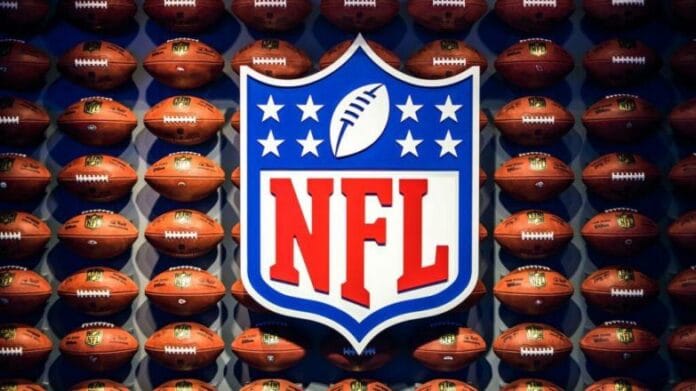
The NFL is confronted with its most precarious challenge yet, as FCC Chair Brendan Carr delivers a bombshell warning: the league’s aggressive shift to streaming services could potentially dismantle its long-standing antitrust exemption.
Carr openly questioned whether the NFL still qualifies for protections under the 1961 Sports Broadcasting Act when games move from free over-the-air broadcasts to paid platforms like Netflix and Prime Video. He highlighted a critical “tipping point” where too many games behind paywalls might trigger the exemption’s total collapse.
This exemption allows the NFL to negotiate collective broadcasting rights as a unified entity—unlike other major sports leagues. Without it, individual teams could chase their deals, fragmenting the lucrative national packages that fuel the league’s revenue engine.
FCC Warning Ignites Debate on NFL Streaming Strategy
According to the reposts, the NFL’s media negotiations reveal growing tension between broadcasters and streamers. Traditional networks like CBS, now locked in at $2.1 billion annually until potential 2029 extensions, face pressure from skyrocketing demands.
Speculation swirls around package swaps: Amazon potentially grabbing Sunday night games via Prime, shoving NBC to Thursdays. Critics argue the move erodes the exemption’s original intent—ensuring broad, free consumer access to NFL games.
The FCC has launched a public comment process, amplifying regulatory scrutiny. Lawmakers, including Sen. Mike Lee of the Senate antitrust committee, are urging the DOJ and FTC to probe the league’s compliance.
What Losing NFL Antitrust Exemption Could Mean
Imagine the chaos: no centralized sales of NFL TV rights. Teams negotiating solo might create a patchwork of deals, weakening the league’s bargaining power against giants like Fox, ESPN, and emerging streamers.
Broadcasters are pushing back hard. Executives signal reluctance to match fee hikes, possibly delaying renewals to leverage political winds favoring free-to-air TV. This shift aligns with fan demands but clashes with the Act’s broadcast-focused roots.
The evolution of NFL media rights reflects industry trends, as cord-cutting necessitates adaptation. Yet, regulators see paywall proliferation as a betrayal of public access principles that birthed the exemption.
Historical Shield Under Fire Amid Broader Pressures
The 1961 Act emerged in a broadcast-only era, shielding the NFL from antitrust lawsuits for pooled rights sales. Streaming’s rise blurs those lines: does it count as “over-the-air telecasts” or just another paid tier?
Carr’s remarks hit amid heated NFL rights negotiations. Thursday Night Football already streams exclusively, loading the scale toward pay models. A full pivot risks inviting legal challenges that could reshape professional football broadcasting.
Adding fuel, labor tensions brew with the NFL Referees Association. The union released a stark statement revealing CBA talks broke down after less than half a day, citing a lack of NFL commitment and no authorized negotiators beyond the original proposal. “Simply put: Talks aren’t in a good place.”
The NFL Referees Association has released the following statement that negotiations toward a new CBA broke down after less than half a day, citing a lack of commitment from the NFL and claiming no one present was authorized to move beyond the league’s original proposal.
— Ari Meirov (@MySportsUpdate) March 25, 2026
Simply… pic.twitter.com/PxuynYHLhO
Union chief Scott H. Green disputes claims on pay demands, technical resistance, and performance, while highlighting stalled training and postseason compensation. The NFLPA watches closely, linking officiating to broader player working conditions.
