

While the Dolphins’ front office projects decisive action, a critical examination reveals troubling inconsistencies and potential missteps in their offseason strategy. The simultaneous pursuit of both established executives and inexperienced 49ers staffers exposes a confused organizational philosophy. This isn’t a clear vision—it’s a committee approach that could backfire spectacularly.
The GM Search: Ambition or Desperation?
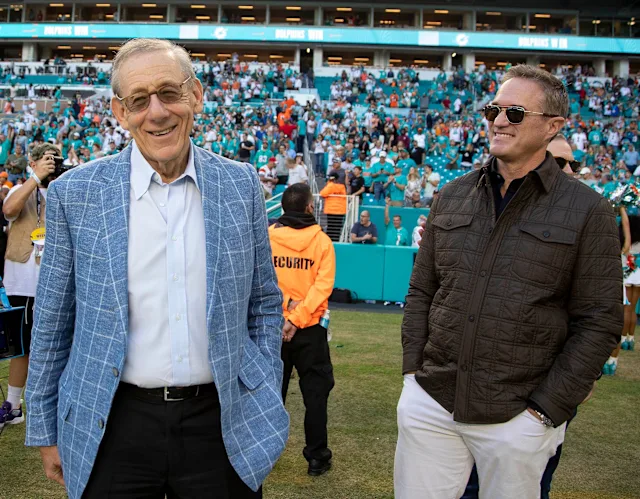
Stephen Ross’s candidate list sends conflicting signals. Targeting elite names like John McKay demonstrates welcome ambition. However, including junior 49ers executives with direct ties to Mike McDaniel suggests Ross may already be prioritizing coaching comfort over football excellence. This undermines the entire search’s credibility.
If the new GM inherits McDaniel as a package deal, what authority will they truly possess? History shows forced coach-GM marriages in Miami have produced disastrous results, from Philbin-Hickey to Gase-Grier. The organization appears to be repeating past mistakes while dressing them up as progress.
The Quarterback Conundrum: Half-Measures Won’t Cut It
Pro Football Focus grades confirm what eyes witnessed: Tua Tagovailoa regressed catastrophically. Yet the proposed solution—drafting Alabama’s Ty Simpson in Round 2—represents a timid, halfway approach. Simpson’s scouting report reads eerily similar to Tagovailoa’s college evaluation: accurate pocket passer with physical limitations.
If the Dolphins genuinely believe they need a franchise reset, selecting another mid-round quarterback prospect constitutes organizational malpractice. Either commit to a top-five pick for a blue-chip prospect or fully rebuild around Quinn Ewers. This middle-ground approach has kept Miami in mediocrity for two decades.
Schedule Analysis: Misleading Comfort
The “historic precedent” argument regarding strength of schedule provides false optimism. While 2023’s schedule softened unexpectedly, banking on similar regression constitutes wishful thinking, not strategy. The NFC North’s structural advantages—strong offensive lines, elite quarterbacks, coherent organizational plans—suggest their success isn’t flukish.
Green Bay’s Jordan Love continues developing. Detroit’s roster remains young and talented. Chicago’s Caleb Williams shows MVP flashes. Minnesota consistently competes. To assume all four will decline simultaneously ignores fundamental roster construction principles.
Draft Strategy: Repeating Failed Patterns
The proposed PFF mock draft deserves particular scrutiny. Selecting high-risk, high-reward edge rusher Keldric Faulk at No. 11 directly contradicts the alleged search for stability. Faulk’s production drop from 11.0 TFLs to 5.0 screams “project player”—exactly what Miami cannot afford with this premium pick.
Scouting Blindspot: Meanwhile, the interior offensive line—graded as the team’s weakest unit—receives zero early-round attention in this projection. Prioritizing tight ends and running backs over foundational trench players reveals flawed valuation that has plagued this franchise for years.
The McDaniel Paradox
Mike McDaniel’s offensive genius narrative requires re-examination. Yes, his scheme produces explosive plays. However, his inability to adjust when defenses solve his tendencies, coupled with persistent late-season collapses, suggests a ceiling lower than advertised. Protecting McDaniel through connected GM hires might preserve likeability while sacrificing necessary accountability.
Financial Recklessness Looms
Buried beneath the GM search headlines: Tua Tagovailoa’s $45 million 2026 cap hit represents a potential franchise-crippling mistake. The new GM’s first task will be navigating this catastrophic contract—either through painful cuts elsewhere or admitting failure via trade. Neither option supports quick contention.
The Fan Disconnect
Organizationally, Miami seems oblivious to growing fan disillusionment. Merchandise sales declines and rating drops aren’t mere metrics—they’re warnings. Yet the response appears to be another glossy reset rather than substantive cultural change. South Florida fans have endured “five-year plans” since Dan Marino retired. Patience has expired.
This Dolphins offseason represents familiar theater: high-profile searches, optimistic draft projections, and schedule analysis offering false hope. Missing is the ruthless self-assessment championship organizations embrace.
Until Miami acknowledges their fundamental issues—quarterback evaluation, trench neglect, and organizational fragmentation—they’ll merely reshuffle deck chairs on a sinking ship. The GM search matters only if it produces someone willing to challenge everything, including the owner’s instincts and the head coach’s shortcomings.
History suggests this is unlikely. The Dolphins’ pattern of opting for comfort over courage continues, and until that changes, so will their results.