


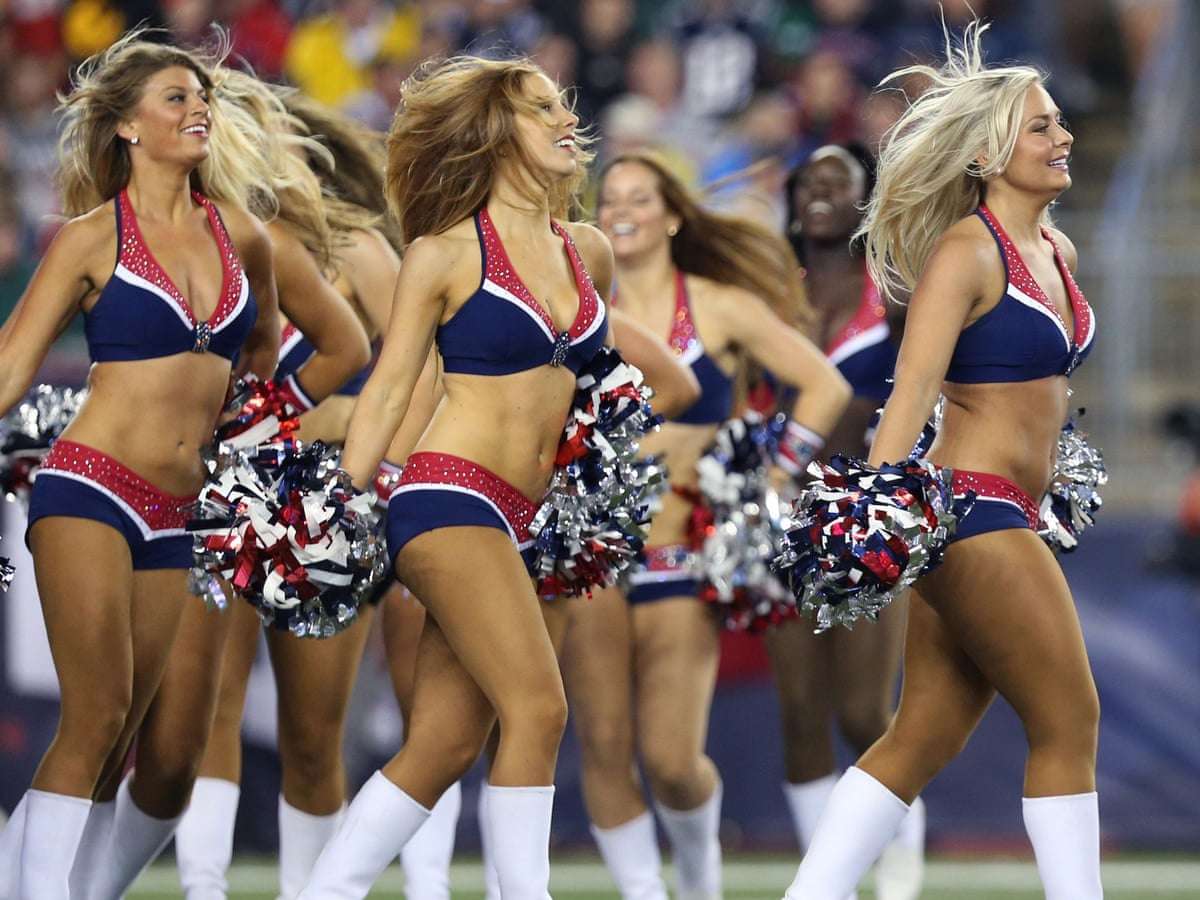
When the arena lights go down and the music hits, NBA cheerleaders ignite the court. Their synchronized moves, dazzling energy, and polished professionalism are part of the spectacle that defines basketball in America. Yet, behind the athleticism and glamour lies a long-debated reality: how much do NBA cheerleaders make?
The answer isn’t as straightforward as it seems. While NBA franchises generate billions in annual revenue, their cheerleaders—the dancers who fuel the entertainment between plays—often earn modest wages. The contrast between their workload and their pay has sparked both fascination and frustration, leading to wage disputes, lawsuits, and ongoing debate about fairness in sports entertainment.
What Is an NBA cheerleader’s Job?
The job of an NBA cheerleader—sometimes called a dance squad member or NBA dancer—is far more demanding than most fans realize. The role combines athletic endurance, marketing work, and performance art.
Cheerleaders perform at all home games, attend mandatory practice sessions multiple times per week, and participate in special events, photo shoots, charity functions, and sponsor appearances. These commitments can add up to 30 or more hours per week during the season—often on top of full-time or part-time jobs elsewhere.
Their pay, however, rarely reflects that workload. According to publicly available reports and former dancer testimonials, NBA cheerleaders earn between $75 and $150 per game on average. For practices, the rate is even lower—roughly $30 per session, and sometimes not paid at all. Cheerleaders may receive $50 to $100 per special event appearance, but these gigs are irregular.
In total, an average season’s pay may range from $15,000 to $25,000, depending on the team, appearances, and playoff participation. Even at the high end, it’s not a sustainable full-time income—especially compared to other employees in the arena who may earn more per hour.
The Pay Disparity: NBA Cheerleader Wage Dispute
For decades, NBA cheerleaders were treated as part-time entertainers, not employees. This classification allowed teams to avoid paying minimum wage or offering benefits like healthcare, retirement, or overtime. The pay structure also made it difficult to calculate real hourly earnings.
The turning point came through a wave of NBA cheerleader wage disputes and lawsuits. One of the most influential cases involved Lauren Herington, a former Milwaukee Bucks dancer, who filed a suit claiming the team violated the Fair Labor Standards Act (FLSA) by paying her below minimum wage. After factoring in unpaid rehearsals and mandatory promotional appearances, her hourly pay dropped to as low as $3–$4 an hour.
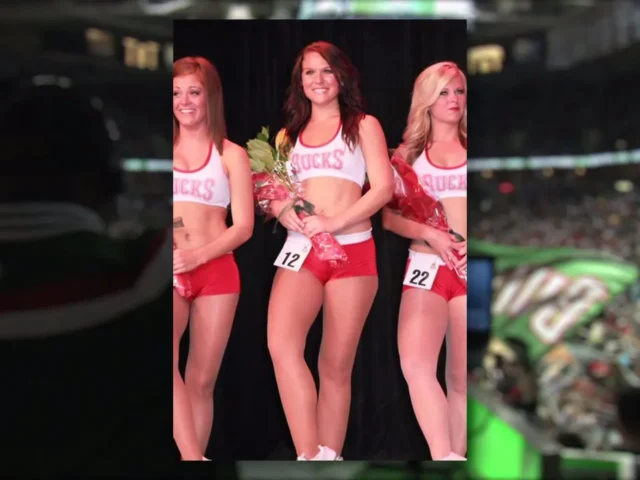
Her case—settled in 2017—drew national attention and encouraged dancers across the NBA and NFL to challenge unfair labor practices. Similar lawsuits soon followed from cheerleaders representing the New York Knicks, Miami Heat, Los Angeles Clippers, and Atlanta Hawks, alleging wage theft and unsafe work environments.
The lawsuits exposed a systemic problem: while NBA players earned millions, the women who helped shape the league’s entertainment brand were earning less than a single arena beer vendor per night.
Conditions to Become an NBA Cheerleader
The journey to joining an NBA dance squad is intense and competitive. Hundreds of dancers audition each season, often enduring multiple elimination rounds. Teams look for technical skill, charisma, physical fitness, and a public-facing personality that represents the franchise brand.
To qualify, applicants must usually be at least 18 years old, with some teams requiring 21 or older. Many come from professional dance, gymnastics, or collegiate cheer backgrounds. Rehearsals demand stamina and precision—cheerleaders must perform intricate routines while maintaining flawless synchronization and on-camera poise.
Teams also enforce specific appearance and grooming standards. Visible tattoos, for example, are often required to be covered, and piercings or hairstyles may need to align with team branding. Maintaining “camera-ready” conditioning is part of the job expectation, even during the off-season.
Despite these demands, many cheerleaders pursue the role for passion rather than pay. “Being part of the NBA is a dream,” said a former Los Angeles Lakers dancer. “But once you see how much time and money you spend compared to what you earn, it becomes clear—it’s not about the paycheck.”
Scandals Related to Cheerleader Salaries
The cheerleading industry’s low wages have led to multiple scandals and class-action lawsuits that forced teams—and the league—to confront long-ignored inequities.
In addition to Lauren Herington’s case, cheerleaders from the New York Knicks, Sacramento Kings, and Milwaukee Bucks accused their teams of underpaying and misclassifying them as contractors. Others cited unpaid practice sessions, mandatory appearances, and out-of-pocket expenses like hair styling, makeup, and uniforms.
These lawsuits revealed how franchises used “prestige” to justify low pay. Cheerleaders were told they’d gain exposure, networking opportunities, and free perks such as gym access, game tickets, parking, and spa treatments—but little in tangible compensation.
The legal victories helped shift policies. Today, most NBA teams pay their cheerleaders at least minimum wage, and some have increased per-game pay to $200–$650. However, these improvements are uneven across the league.
Why Do So Many People Want to Be NBA Cheerleaders?
Despite low pay and strict conditions, NBA cheerleading remains highly desirable. The reasons are complex—and deeply human.
First, there’s the dream factor. Performing on an NBA court represents the pinnacle of dance entertainment. For many, it’s a childhood aspiration realized. The exposure can also lead to career opportunities in modeling, acting, broadcasting, or fitness training.
Second, there’s the community. NBA dance teams foster close-knit relationships through long rehearsals, team travel, and shared passion for performance. Many dancers describe the experience as empowering and emotionally rewarding, even if financially challenging.
Finally, there’s cultural prestige. NBA cheerleaders become part of a global brand—appearing in marketing campaigns, social media, and televised events. For some, this visibility can provide opportunities beyond the court.
Still, critics argue the system relies on emotional fulfillment to mask financial exploitation. “You’re told it’s an honor just to be there,” said a former Atlanta Hawks cheerleader. However, honor does not cover the expenses.
Top-Paying Teams and Benefits
While pay still varies, a few franchises have become known for offering higher rates and better conditions. According to independent reports and interviews, the Los Angeles Lakers, Boston Celtics, Miami Heat, and New York Knicks are among the top-paying NBA teams for cheerleaders, offering up to $400–$650 per game.
In addition to pay, teams sometimes offer added benefits such as:
- Free gym memberships and training facilities
- Complimentary game tickets
- Paid community appearances
- Sponsored fitness programs
- Discounts on team merchandise
However, these perks are often non-cash and can’t offset the overall low annual earnings. Cheerleaders are rarely full-time employees, meaning they still lack health insurance, retirement benefits, or job security.
The Broader Context: Cheerleaders as Workers, Not Symbols
The debate over cheerleader pay touches on broader issues of gender and labor in American sports. Cheerleading has long been considered symbolic—a glamorous addition to the game rather than a profession in itself. That perception has historically justified low wages and limited representation in collective bargaining.
Nevertheless, modern cheerleaders are challenging that narrative. They are athletes, dancers, and brand representatives—performing physically demanding routines that require training, precision, and stamina equal to any professional performance discipline.
The rise of social media visibility has also shifted dynamics. Cheerleaders now act as content creators, promoting teams on Instagram and TikTok—further blurring the line between entertainment and marketing labor.
As the NBA continues to embrace inclusivity and equity, cheerleaders’ push for recognition and fair pay is becoming a test of the league’s commitment to its stated values.
The Legal and Ethical Landscape
The Fair Labor Standards Act (FLSA) remains at the center of the legal conversation. It mandates minimum wage and overtime protections, which cheerleaders have fought to enforce through lawsuits. These legal battles underscore a tension between labor law and image management in professional sports.
Ethically, it raises questions about how major leagues define value. If the NBA can afford multimillion-dollar contracts for players and luxury facilities for fans, why not ensure basic wage fairness for the performers who contribute to the fan experience?
Scholars and labor advocates argue that cheerleaders’ classification as “independent contractors” is outdated. The more their roles expand—from dancing to digital marketing—the clearer it becomes that they function as employees in all but name.
Frequently Asked Questions
Can NBA cheerleaders have tattoos?
What is the minimum age for becoming an NBA cheerleader?
Can NBA players date the cheerleaders?
How do I become an NFL dancer?
Are cheerleaders important to the NBA?
Can I become an NBA cheerleader if I’m not flexible?
Conclusion: Beyond the Pom-Poms—Toward Fair Recognition
So, how much do NBA cheerleaders make? The honest answer: not enough. Most earn between $75 and $150 per game, with elite teams paying up to $650 per performance. They work long hours, often unpaid for rehearsals and events, and receive limited benefits despite their contribution to the NBA’s billion-dollar entertainment product.
But beyond numbers, this is a story about respect and recognition. The push for fair pay isn’t just about money—it’s about redefining what it means to be a professional in sports entertainment. Cheerleaders are athletes, ambassadors, and performers whose work brings the NBA to life.
Change has begun, slowly. Lawsuits have led to reform, and teams have started acknowledging the need for wage transparency. The fight continues, powered by the same dedication and passion that drives every cheerleader onto the court—smiling, shining, and standing for something bigger than applause.

