


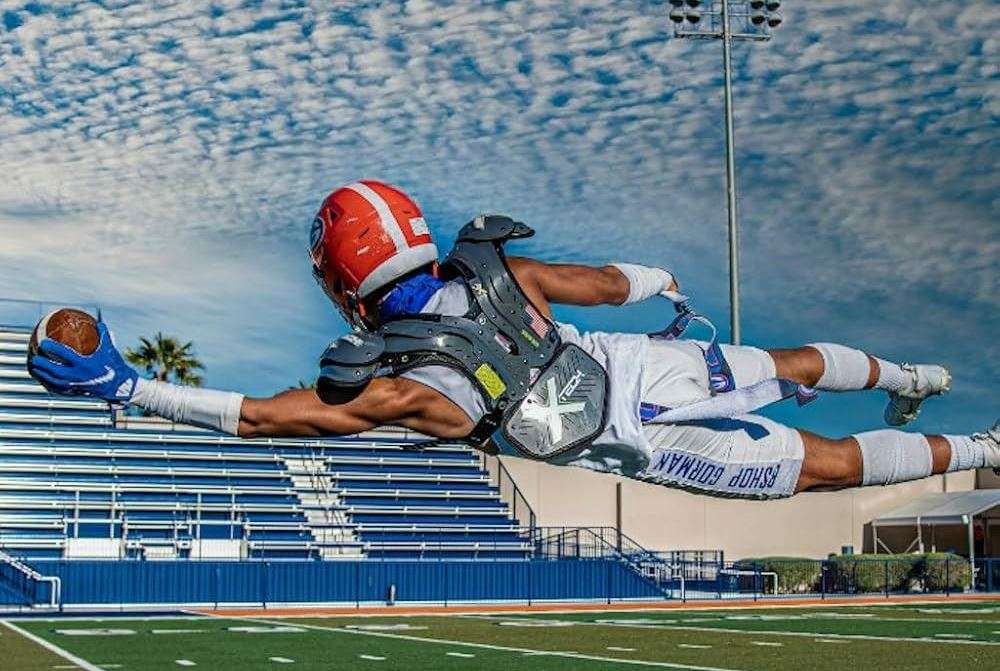
The exhilarating collision of skill, speed, and raw athleticism makes football captivating. However, beneath the jersey, a player’s greatest defense—and their most critical weapon—is their gear. Investing in the right equipment for football is not a luxury; it is the single most important decision for injury prevention, performance, and long-term health.
This isn’t just about a jersey and a ball. Every element, from the specialized tread on your cleats to the multi-layered shock absorption in your helmet, must work perfectly to support you. This critical safety focus drives innovation by manufacturers and organizations like the NFL, who continually update safety protocols based on real-world data and biomechanical studies.
Why You Need This Complete Checklist
Wading through brands, safety ratings (like the Virginia Tech 5-Star Helmet Rating), and position-specific gear can feel overwhelming. Many players overlook crucial fitting techniques that compromise safety. This comprehensive guide gives you your definitive equipment checklist, meticulously categorized to cover everything a player needs, from youth leagues to aspiring pros. We ensure you cover every piece of gear required for a comprehensive, highly rated setup.
We will break down:
- The Core Kit: Must-have essentials like cleats and performance apparel.
- The Safety Vault: Critical protective gear—helmets, shoulder pads, and pads—with a focus on NFL-influenced safety standards and advanced options.
- The Performance Edge: Position-specific accessories and the football training equipment used in elite preparatory programs.
Equip yourself with knowledge. Build your ultimate football equipment list now.
I. What Football Equipment is Absolutely Essential? (The Foundation)
These non-negotiable items form the foundation of any complete football player equipment setup. Getting these basics right ensures comfort and functionality before adding any complex padding.
A. Which Ball is Right for the Game? (The Centerpiece)
Teams usually provide the game ball, but players need their own for practice. NFL games use a specific size and material (leather footballs), while youth leagues use smaller balls (Pee Wee, Junior, and Youth). Always keep a football pump and needle handy to maintain optimal pressure. Proper inflation impacts the ball’s spiral and catchability, making the procedure a critical, yet often overlooked, detail for quarterbacks and skill players.
B. How Do I Choose the Right Cleats? (Footwear)
The right cleats drive traction, agility, and injury prevention. Look for spikes that match your playing surface (grass vs. turf). Cleat height matters: Linemen often choose high-tops for ankle stability, while skill players prefer low-cut models for speed and quick cuts. Specialized models, such as flag football cleats used in NFL FLAG programs, suit turf or 7-on-7 play; remember that metal cleats do not have a place in these leagues due to safety regulations.
C. What Apparel Do I Need for Practice vs. Game Day?
Your basic field attire divides into practice wear and game wear. Always choose durable football pants that easily accommodate protective pads. For underlayers, compression shorts and shirts are non-negotiable. They manage moisture, aid muscle recovery, and secure pads properly. Finding youth football shirts and practice jerseys that wick away sweat prevents chafing and heat exhaustion during long, intense practice sessions.
II. How to Choose Protective Gear & Safety Items
This section covers mandatory protective gear for football. Your investment in high-quality, properly fitting padding influences safety directly, often guided by NFL-supported standards.
A. What is the Safest Helmet for My Player? (The Non-Negotiable Investment)
The helmet represents the most scrutinized piece of safety equipment for football. Always verify that your helmet meets NOCSAE standards and check the independent Virginia Tech 5-Star Helmet Ratings. The NFL’s safety focus drives manufacturers like VICIS and Schutt to develop premium, impact-reducing designs now available to the public. Never buy a used helmet without certified reconditioning and recertification.
| Component | Top Recommended Models (5-Star Safety Rated) | Price Range |
|---|---|---|
| Youth Helmets | VICIS ZERO2 Youth, Schutt F7 Youth, LIGHT Apache Lightning Youth | $250 – $450+ |
| Adult Helmets | Riddell Axiom, VICIS ZERO2 TRENCH, Schutt F7 LTD | $450 – $950+ |
| Accessories | Football helmet chin strap, mouth guards for football | Mouthguards are the only protective gear even NFL FLAG leagues require. |
B. Mastering Youth Football Shoulder Pads and Sizing
Shoulder pads must match the player’s position to maximize protection and mobility. Getting the size right is paramount, as pads that are too big shift upon impact, exposing the collarbone and shoulders.
Sizing Shoulder Pads
Measure two things precisely:
- Chest Circumference: Measure around the widest part of the chest, just under the arms.
- Shoulder Width: Measure from the tip of one AC joint (the end of the shoulder) across the back to the tip of the other AC joint.
Fit Check: What to Look For
When trying on the pads:
- Coverage: The pads must fully cover the sternum, clavicle, and shoulder blades. When the player raises their arms, the pads should remain securely in place, covering the shoulder joints.
- Neck Opening: The neck hole should fit securely but never pinch the neck or collarbone. Loose neck openings leave the collarbone vulnerable.
- Position: The shoulder caps (epaulets) should align perfectly with the player’s AC joints.
Position-Specific Selection
- Lineman Pads (OL/DL): Wider, bulkier designs offer maximum coverage and reinforced shoulders for constant blocking (best football shoulder pads for linemen). Look for the Douglas or Riddell Power SPK+ Line.
- Skill Position Pads (QB, WR, DB): Lightweight, streamlined, and cut high to allow a full range of arm motion (young small football shoulder pads). These prioritize speed and arm movement for throwing and catching.
C. Lower Body Protection: What Pads are Mandatory?
The NFL mandates the use of hip, thigh, and knee pads. Protection for these areas is critical at every level of the game.
- Integrated Pads: Football pants with pads have the protection sewn in, offering convenience and consistent placement, perfect for younger players.
- Girdles: Separate athletic girdles hold removable football thigh pads, football knee pads, and hip pads. This option offers greater customizability and cleaning ease.
D. Backplate vs Rib Protector Football: Advanced Protection Comparison
These supplemental pads offer vital protection beyond standard shoulder pads. Choosing the right one depends heavily on your role.
| Pad Type | Protection Focus | Ideal Position | Key Function |
|---|---|---|---|
| Backplate | Lower Spine, Kidneys | QB, WR, RB, DB (Skill Players) | Shields the back during open-field, blindside hits and hard falls, attaching easily to the shoulder pads. |
| Rib Protector (Rib Vest) | Ribs, Sides, Lower Chest (360° Torso) | QB, TE, LB, FB (Contact Positions) | Absorbs high-force hits to the torso, vital for QBs in the pocket or tight ends taking hits across the middle. |
H2: III. Where to Find Performance & Position-Specific Accessories
These essential football accessories boost comfort, dexterity, and grip, offering a critical competitive edge often overlooked by beginners.
A. Why Are Gloves Necessary for Skill Positions? (Dexterity and Grip)
Gloves are essential for both grip and hand protection. NFL players select highly specialized models:
- Receiver Gloves: Lightweight models feature highly tacky palms (padded football gloves). Note: Sticky sprays (“Stick ’em”) are illegal in the NFL and most organized leagues. The tackiness must come from the glove material itself.
- Lineman Gloves: Heavily padded football gloves protect the back of the hand and fingers from impact in the trenches, reducing the risk of broken fingers.
B. What Specialty Football Accessories Provide Extra Protection?
Players often layer on additional football protective gear based on their injury history or position. This includes the football neck roll, or cowboy collar, to limit whiplash, and football arm pads, or football elbow pads, for protection against turf burn and impact. Linemen frequently use wrist coaches for quick play calls and forearm sleeves for added support.
C. How Should I Store and Transport My Football Gear?
Transport requires durable solutions. A large football duffle bag or football equipment bag with wheels provides necessary capacity. For teams, look for reinforced football team bags that withstand constant travel and abuse. Crucially, the bag should feature heavy-duty zippers and ventilation panels to start the airing-out process immediately upon leaving the field.
IV. How to Use Football Training Equipment for Skill Development
No player reaches their potential without specialized football training equipment to improve skill and agility, often mirroring drills used in NFL training camps and combines. Consistent, targeted practice with the right tools transforms athletic potential into on-field execution.
A. How Can I Improve Agility and Speed Training?
- Footwork: A football training ladder builds quick feet and rhythm. Mastering complex patterns like the Icky Shuffle improves coordination and short-area quickness.
- Change of Direction: Football training cones set up drills like the 5-10-5 Shuttle (Pro Agility), a standard measure of NFL combine athleticism. Football slalom poles teach tight cutting angles for running backs and receivers.
- Resistance: NFL pros often use resistance harnesses like a speed chute or VertiMax Raptor for maximum power and speed development, ensuring their conditioning translates directly to explosive field movements.
B. Football Sleds and Dummies: What is the Best Contact Training Gear?
Sleds and dummies are critical for teaching safe, repeatable contact techniques without the injury risk of player-on-player hitting.
Blocking Sleds
- Function: Sleds (1-man, 5-man) primarily teach linemen leverage, drive, and synchronized blocking. They force the player to maintain a low pad level and keep their arms and hands inside the frame.
- Focus: Lineman drills for sustained power. The sound of a well-hit sled provides immediate feedback on form.
Tackling and Blocking Dummies
- Function: Dummies and bags (Pop-up, Stand-up, Tackle Wheels) teach proper tackling angles, wrap-up technique, and hand placement for shedding blocks. They prevent the dangerous tendency to spearhead (lead with the helmet).
- Focus: Safety and muscle memory. The pop-up dummy is excellent for repetitive drills and high-tempo practice, as it returns upright automatically.
C. Which Tools Develop Passing, Catching, and Kicking Skills?
- Accuracy: A football accuracy net or passing target refines throwing precision by requiring the QB to hit specific quadrants.
- Repetition: Jugs machines or ball machines provide constant, perfect throws for receivers and running backs, drastically increasing the number of catches and securing drills per practice.
- Simulation: Football training mannequins are used to practice throwing over or around defenders, simulating realistic pass protection scenarios and route running adjustments.
V. How to Maintain Your Gear for Longevity (Protecting Your Investment)
Proper care protects your significant investment in football gear and equipment and prevents bacterial growth, which is essential for player health and avoiding conditions like Staph infections.
A. What is the Golden Rule for Gear Hygiene?
Never leave your gear in your football equipment bags after practice—not even overnight. Immediately remove and hang all items in a cool, dry, well-ventilated area. Avoid direct sunlight, which can degrade plastics and foam. Use a fan to circulate air over the equipment.
B. How Do I Safely Clean My Protective Gear?
- Helmet: Wipe the shell with mild soap and water. Use sports-safe disinfectant spray on the interior pads. Do not use commercial cleaners or submerge the helmet, as this compromises NOCSAE safety standards. Inspect and replace jaw pads for the best football helmet and the chin strap regularly, as these absorb the most sweat and bacteria.
- Shoulder Pads: Wipe down the shell and straps with disinfectant. For deep cleaning the foam, use mild detergent and ensure they air dry completely. Never put them in a mechanical dryer.
C. What’s the Best Way to Care for Cleats and Fabric?
- Cleats: Scrub with mild detergent and water. Remove insoles and air dry indoors. Do not use heat (like a dryer or radiator), which damages the glue and materials.
- Uniforms and Soft Gear: Wash in cold water using mild, bleach-free detergent. Always air-dry football gloves to preserve the grip and extend the life of the tackified material.
VI. Conclusion: Where Does My Equipment for Football Journey End?
The journey does not end with the purchase. The right football player equipment list gives you the confidence to compete, and proper maintenance ensures your investment lasts. By prioritizing a precise fit and choosing high-rated items (like the Schutt F7 or VICIS ZERO2), you make the ultimate commitment to safety and performance, following the standards influenced by the NFL’s focus on athlete health.
Your Next Play
The time to prepare is now.
- Finding the Value: Research indicates that while models like the VICIS ZERO2 Youth and Schutt F7 Youth are premium, you can often find deals or clearance pricing on past-season models, reducing the cost of a 5-Star rated helmet. For cheap youth football helmets that still meet the highest safety standards, look for sales from major sporting goods retailers or programs supporting NFL FLAG participants.
- Master the Movement: Review our detailed guides on how to Structure a Full Football Agility Training Program using the gear you’ve now checked off the list.